


Endometriosis vs. PMOS: Understanding the Impact on Fertility




Updated September 13, 2026
Fertility can be impacted by a number of factors. This includes these two prevalent women's health conditions: endometriosis and polyendocrine metabolic ovarian syndrome (PMOS, formerly known as PCOS). Endometriosis affects about 10% of women of reproductive age globally, whereas PCOS affects an estimated 8-13%.
Endometriosis is when tissue—similar to the uterine lining—grows outside the uterus, which causes severe pain and hampers fertility. PMOS, on the other hand, is a hormone-impacting condition that can create imbalances, cause irregular periods, and led to difficulty with conception. So, although both impact fertility, there is a clear difference between endometriosis and PMOS.
Let's dive into causes, symptoms, and treatment options for these common conditions and their impact on women's cycles and reproductive health.
Endometriosis vs. PMOS (formerly PCOS) at a Glance
Causes | Unknown, but occurs when tissue similar to the uterine wall is found outside the uterus | Unknown, but occurs when excess androgens are present |
|---|---|---|
Risk factors | Family history, heavy and long cycles, short monthly cycles, early period start (before age 11) | Family history, insulin resistance, excess androgens |
Parts of the body affected | Pelvic area and sometimes other areas of the body | Ovaries, sometimes other parts of the body |
Age groups affected | Any age, typically triggered at or after puberty and can last after menopause | Reproductive age |
Prevalence | Estimated 10% of women | Estimated 8-13% of women |
Diagnosis | Positive diagnosis through explorative laparoscopic surgery | Rotterdam criteria - 2 of 3: high level of androgens not caused by other conditions, irregular or absent periods, ultrasound testing for polycystic ovaries |
Potential Complications | Severe pain during period or throughout cycle | Infertility based on anovulation and/or irregular cycles |
Symptoms of Endometriosis vs. PMOS (formerly PCOS)
Although both conditions are different, they have distinct similarities, most notably infertility issues. And women can suffer from both conditions at the same time, so it's beneficial to understand the symptoms of both.
Endometriosis
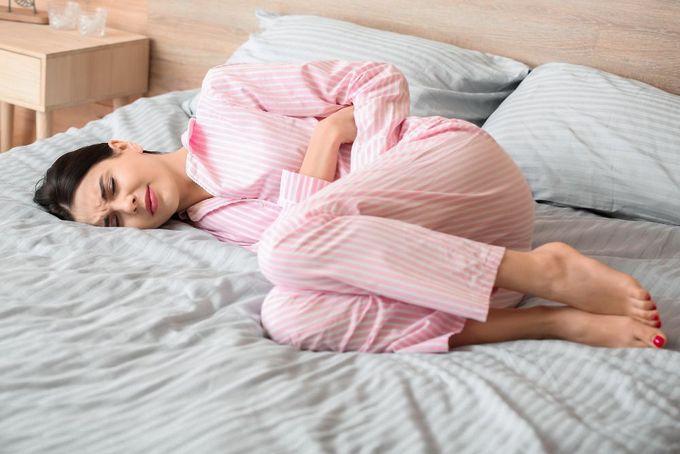
Endometriosis is characterized by tissue similar to the uterine lining being found in growths (called endometriosis lesions) outside of the uterus. This tissue grows on and between organs, can bind organs together or squeeze organs, and even leave behind scar tissue. Because it can grow almost anywhere, symptoms are incredibly varied, depending on severity.
Endometriosis symptoms include:
- Trouble conceiving
- Pain during or after sex
- Pelvic pain
- Severe menstrual pain
- Painful bowel movements
- Stomach problems, like nausea
- Fatigue
Can endometriosis cause hair loss?
While endometriosis itself doesn't cause hair loss, many medications prescribed to manage the condition can lead to hair loss. This is particularly true for GnRH agonists and antagonists.
PMOS
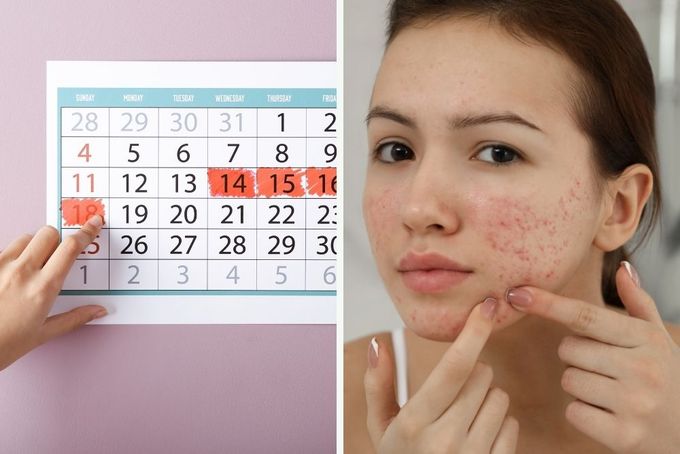
PMOS is a collection of symptoms that have been characterized as a disorder. There are different types of PMOS within the diagnosis, and each has different symptoms and treatments. Common symptoms include:
- Irregular or no period
- Subfertility, characterized by irregular or lack of ovulation
- Heavy periods
- Hirsutism (excess hair growth)
- Cystic acne
- Weight gain and/or trouble losing weight
Can PMOS cause painful periods?
Yes, women with PMOS can experience painful cramping during menstruation. However, this pain can occur during other stages of their cycles too. According to research, pain-related symptoms are most common.
Can PMOS cause bleeding during intercourse?
Bleeding after intercourse or bleeding/spotting between periods are common examples of menstrual irregularities. These can both occur due to hormone imbalances typical with PMOS.
» Having period troubles? Check out these surprising causes of irregular periods
Impact of Endometriosis & PMOS on Fertility
Getting pregnant with endometriosis and PMOS can be difficult, but luckily understanding how they cause fertility issues can help you find the correct course of action to successfully become pregnant.
Endometriosis
Conceiving with endometriosis is complicated by the highly debated effect it has on infertility. Possible causes of infertility associated with endometriosis include:
- Distorted pelvic anatomy
- Fallopian tube dysfunction
- Inflammation
- Hormonal imbalances
- Reduced egg quality due to lesions
PMOS (formerly known as PCOS)
Subfertility is one of the most common symptoms of PMOS. Without ovulation, you don't release an egg and, therefore, cannot become pregnant without intervention.
Trying to conceive with PMOS is made challenging by issues such as:
- Irregular or absent ovulation
- Hormonal imbalances
- Insulin resistance
- Follicle development
- Increased risk of miscarriage
Treatment of Endometriosis vs. PMOS
So what are treatments available for endometriosis and PMOS? Because they have different underlying causes, their respective treatments vary too.
Medications | Pain management medication, hormonal therapies | Ovulation-inducing medication like letrozole, insulin medication like metformin, hormonal therapies |
|---|---|---|
Surgery | Laparoscopy* or laparotomy | Ovarian surgery** |
Assisted reproductive technologies (ARTs) | IUI, IVF | IUI, IVF |
Lifestyle changes and holistic approaches | Diet, exercise, weight and stress management | Diet, exercise, weight and stress management |
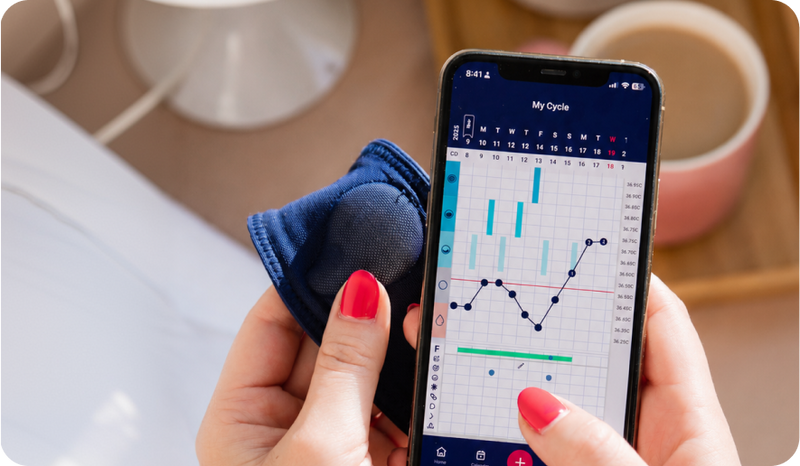
Charting | Fertility awareness and basal body temperature (BBT) monitoring | Fertility awareness and BBT monitoring |
*Laparoscopic surgery involves a skilled surgeon removing lesions. When done properly, it allows any anatomical blockages or abnormalities caused by the lesions to resolve.
**Surgery is usually only a last resort for PMOS patients with longstanding fertility struggles.
» Find out about healthy nutrition to help conception
Overcome Infertility Caused by Endometriosis or PMOS
Both endometriosis and PMOS have symptom-management options that can help increase your chances of conception and healthy pregnancy. After doing preliminary research of your own, it's advisable to consult with a qualified medical professional about diagnosis and treatment.
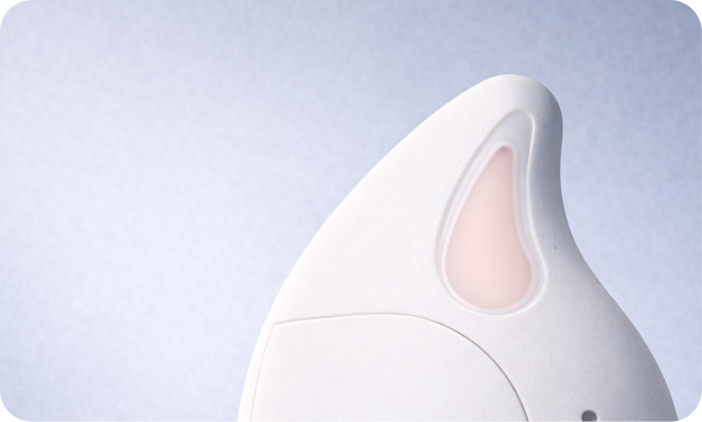
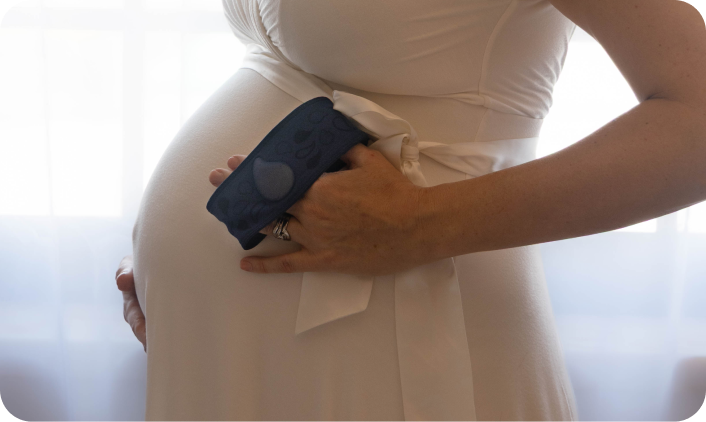
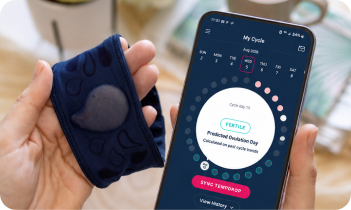
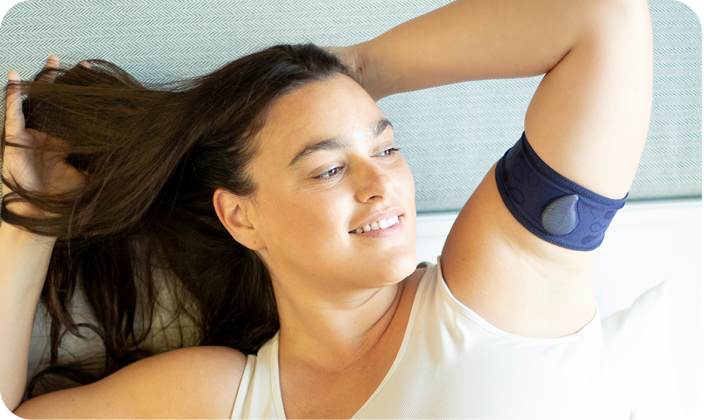
However, you can take charge of your health by setting health goals and understanding your body, cycle, and fertility. This can be as simple as tracking your BBT and charting your periods, no matter how irregular. With Tempdrop's wearable sensor and intelligent app, the stress of fertility monitoring is eliminated.