


6 days
The Biological Fertile Window
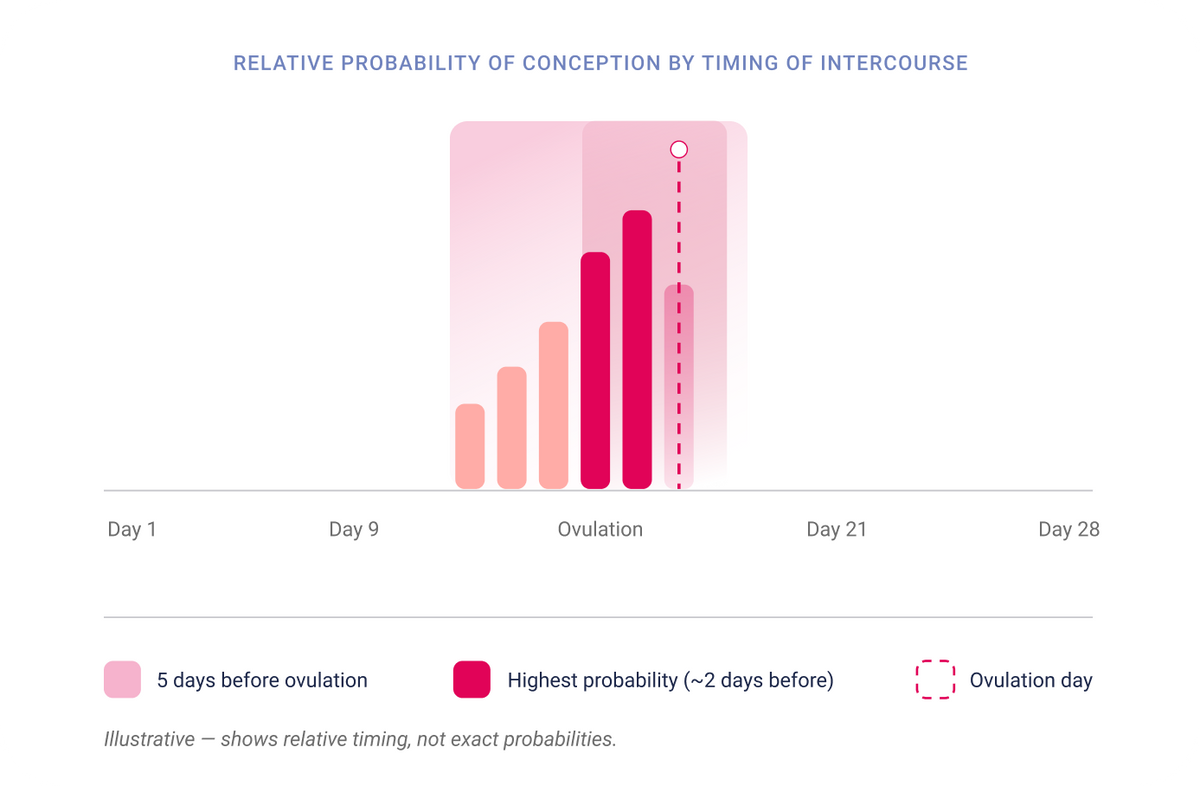
The fertile window is defined as the five days before ovulation plus the day of ovulation.
ASRM - Optimizing Natural Fertility

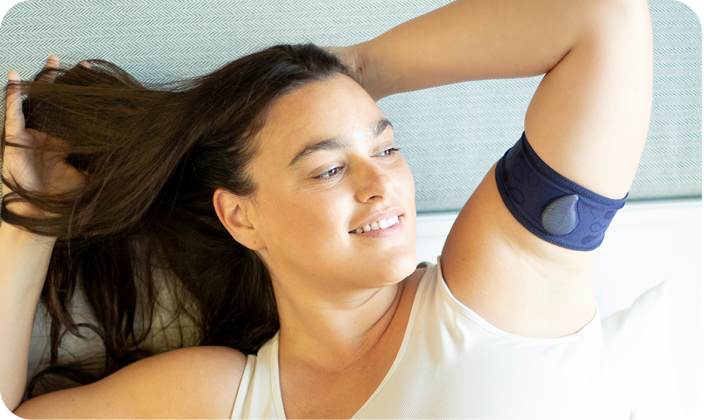
Armband Size Guide
Upper arm circumference
How to Measure

Size chart
| Size | Inches | cm |
|---|---|---|
| Standard Armband | 8.5″ – 15.5″ | 21.5 – 39 cm |
| Extra-Long Armband | 12.5″ – 18.5″ | 31.5 – 47 cm |
Science & Research
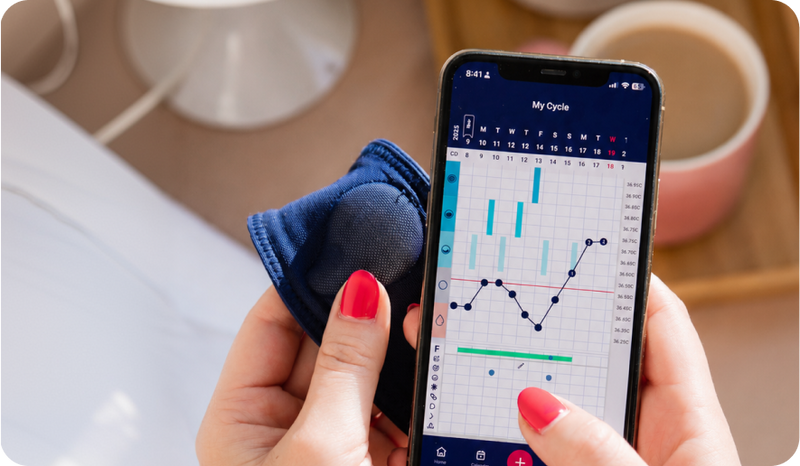
Research shows that continuous body temperature tracking reveals distinct hormonal patterns. Tapping into your body’s natural signals allows you to confirm ovulation, track cycle health, and navigate fertility goals with clinical-grade precision.
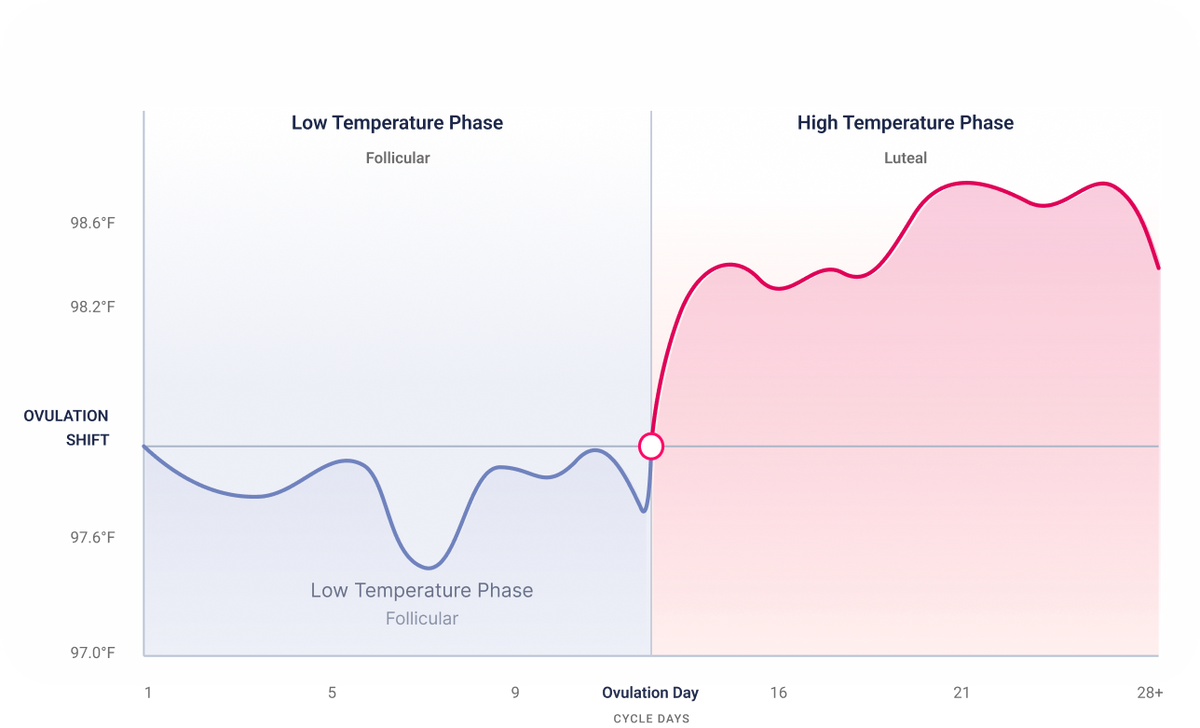
Evidence confirms that fertility tracking is clinical science, not guesswork. A landmark trial analyzing over 17,000 cycles demonstrated that pairing continuous thermal patterns with real-time biomarkers reliably pinpoints the fertile window with 99.6% accuracy.
Citation: Frank-Herrmann et al., Human Reproduction (2007)
Evidence Snapshot
6 days
The Biological Fertile Window
The fertile window is defined as the five days before ovulation plus the day of ovulation.
ASRM - Optimizing Natural Fertility

2 days
Peak Biomarker Shift
Research has observed peak fecundability when intercourse occurs within the two days before ovulation.
ASRM / Wilcox et al., NEJM

98.6%
Classification Accuracy
Fertile/non-fertile day classification accuracy reported in Tempdrop's 2025 validation study.
Validated rate for distinguishing fertile vs. non-fertile days in peer-reviewed clinical research.
Shpaichler et al., 2025
Independent research
The Fertile Window
Research defines the fertile window as the six-day interval ending on the day of ovulation. Because ovulation timing fluctuates, identifying these key days replaces guesswork with precise biological data, helping you make informed decisions about your fertility.
Source: ASRM - Optimizing Natural Fertility
Basal Body Temperature
After ovulation, the corpus luteum forms and produces progesterone-a hormone that naturally raises your resting body temperature and keeps it elevated throughout your luteal phase.
Tracking this temperature shift provides biological proof that ovulation occurred, giving you complete clarity on cycle length, luteal health, and fertile window closure for natural family planning and hormonal health.
Source: ASRM - Optimizing Natural Fertility
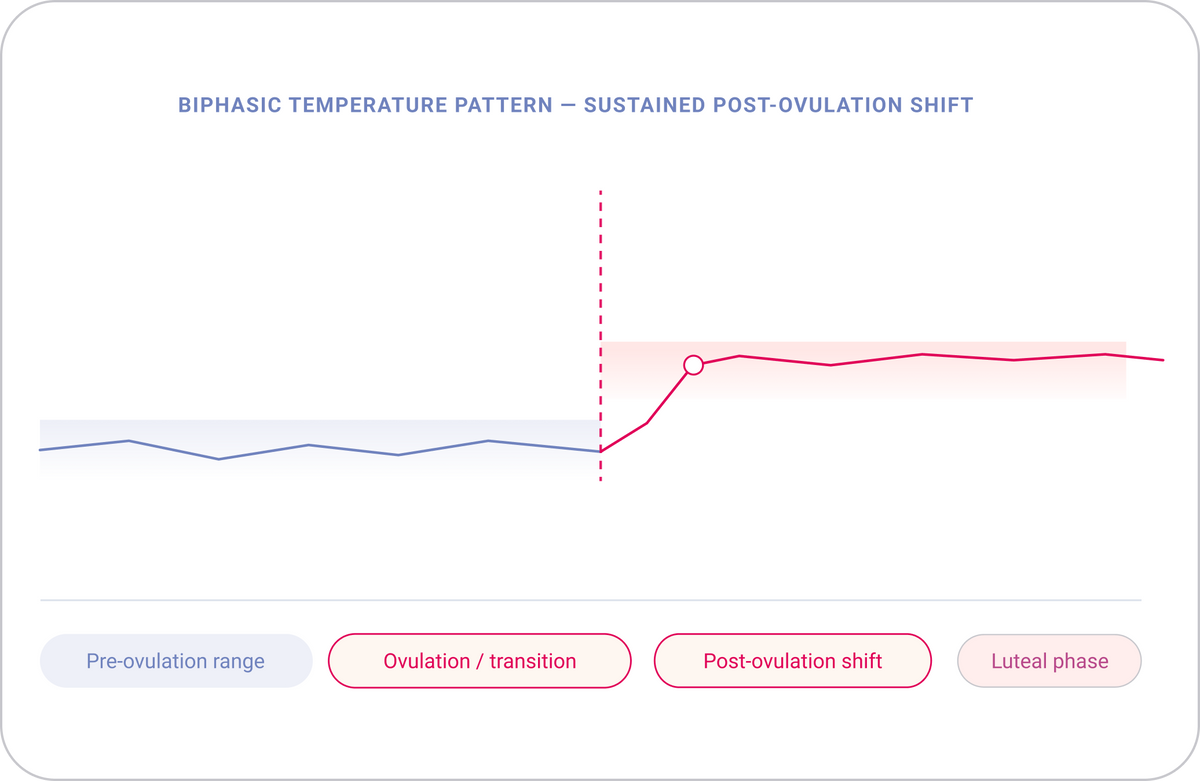
BBT is best understood as a pattern over time, not as an isolated temperature reading.
Fertility Signals
Research supports looking at fertility as a combination of biological signals rather than assuming every cycle follows the same calendar pattern.
LH
Surges shortly before ovulation to trigger the release of an egg.
Cervical mucus
Changes in consistency reflects rising estrogen to signal the real-time opening of your fertile window.
Basal Body Temperature
Confirms ovulation has occurred via a sustained post-ovulatory thermal shift.
Cycle history
Builds a continuous record of your unique cycle timing and phase lengths over time.
ASRM — Optimizing Natural Fertility
Trying to Conceive
Tracking your cycle does not change underlying biology, but continuous biological data maximizes every single cycle. Fertility tracking optimizes natural conception while equipping you with objective health records and hormonal insights whenever you choose to collaborate with a practitioner.
01
Optimizing Peak Timing: Unassisted timing frequently misses the narrow fertile window. Combining continuous BBT with real-time biological markers ensures intercourse coincides with peak fertility (the 48 hours preceding ovulation).
Clinical Evidence: A Cochrane Systematic Review (2,464 participants) and ASRM guidelines confirm that ovulation-guided timing significantly increases monthly pregnancy probability and shortens overall time-to-conception.
Citation: Gibbons et al., Cochrane (2023) · ASRM Guidelines
02
Bypassing the Diagnostic Wait: Specialist clinics typically spend 3–6 months observing cycles to evaluate ovulation. Bringing 3+ cycles of continuous overnight BBT charts gives your care team immediate diagnostic clarity on Day 1.
Key Biomarkers Uncovered: High-resolution thermal data allows OB-GYNs and endocrinologists to instantly evaluate anovulation, luteal phase defects (LPD), and hormonal patterns indicative of PCOS or thyroid shifts.
Citation: ASRM Practice Committee Infertility Evaluation Guidelines
03
STAT FEATURE CARD 8/10
Targeted pregnancy rate among trying to conceive users who accurately pinpoint their 6-day fertile window.
Understanding your fertile window-the days leading up to and including ovulation—is your highest-opportunity time to achieve pregnancy. Identifying ovulation with Tempdrop gives you the clarity needed to time intercourse or insemination with complete confidence.
Recent research highlights a surprising gap in standard medical education, revealing that many healthcare professionals overestimate natural conception rates and underestimate the complexities of fertility awareness.
By tracking continuous, objective biological data, you can become your own strongest advocate—equipping yourself and your practitioner with the definitive hormonal insights needed to make informed, timely decisions about your reproductive health.
Citation: Gibbons et al., Cochrane (2023) · ASRM Guidelines
Many women in their late 30s and early 40s are told that natural conception is unlikely. However, a landmark meta-analysis of 4,379 women (Human Reproduction) confirmed that natural pregnancy rates remain clinically meaningful in women aged 35–42.
Because ovulation timing often shifts or shortens with age, precision matters more than ever. Continuous BBT tracking removes the guesswork, ensuring you accurately identify every peak fertile window to maximize each monthly opportunity.
Citation: Spontaneous pregnancy and natural fertility outcomes in women aged 35 and older (Human Reproduction, 2020)
Tempdrop research
Peer-reviewed Validation Study
A 2025 peer-reviewed study evaluated Tempdrop’s overnight axillary-temperature method against the Clearblue Connected Ovulation Test System as an LH-based reference.
Accuracy of an Overnight Axillary-Temperature Sensor for Ovulation Detection: Validation in 194 Cycles
125 participants
194 eligible menstrual cycles
Overnight axillary temp + Clearblue Connected Ovulation Test
Compared with LH-based reference
93.3%
Ovulation-date agreement
Estimated ovulation day within ±2 days of the LH-based reference in 181/194 analyzed cycles.
96.8%
Sensitivity
Correctly classified fertile days among study-defined reference fertile days.
99.1%
Specificity
Correctly classified non-fertile days among study-defined reference non-fertile days.
98.6%
Day-classification accuracy
Overall fertile/non-fertile day classification accuracy according to the study's definitions.
What This Evidence Means For You
Tempdrop’s temperature-based technology is validated by peer-reviewed research against clinical ovulation markers.
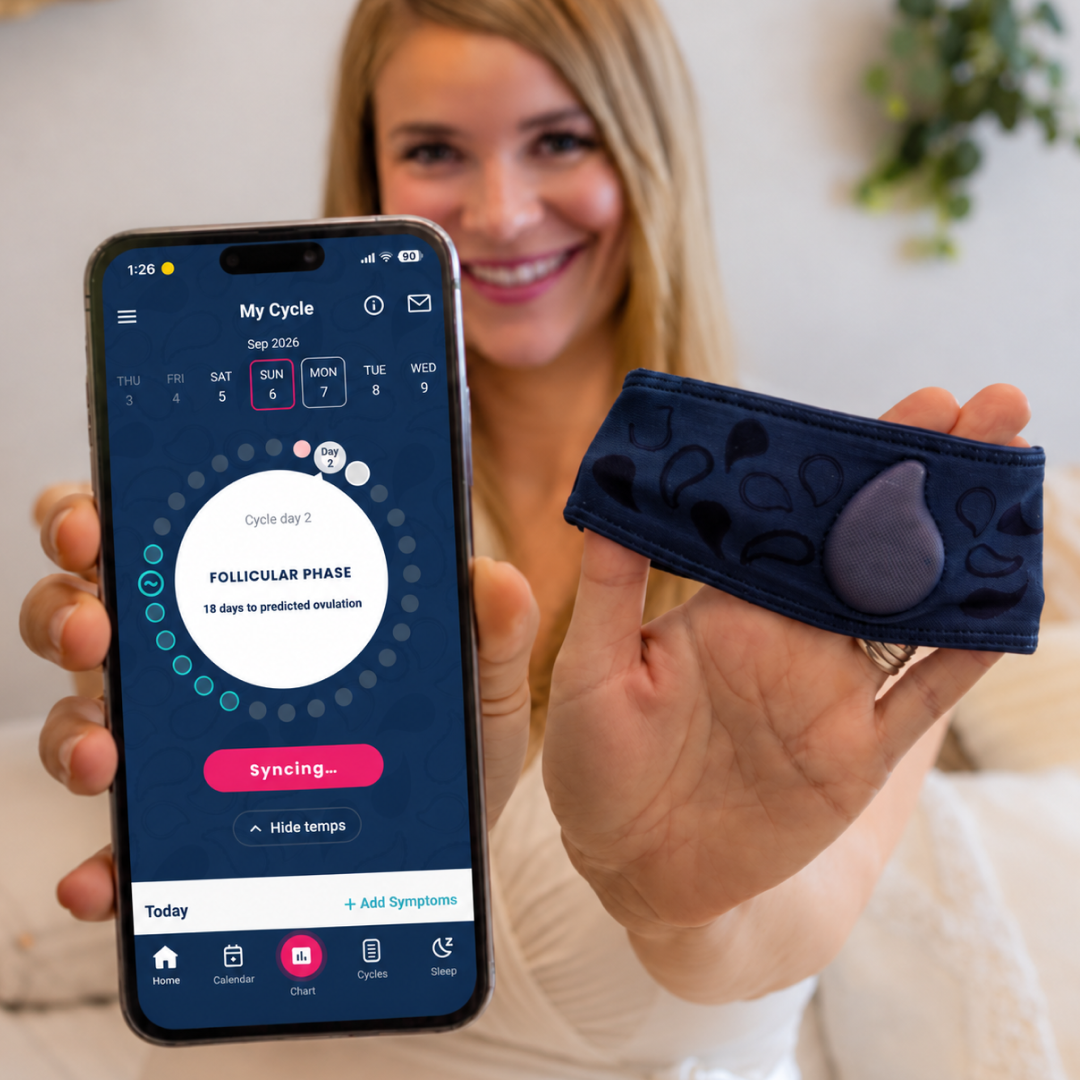
The research demonstrated high clinical sensitivity (96.8%) and specificity (99.1%) in correctly distinguishing fertile from non-fertile days.
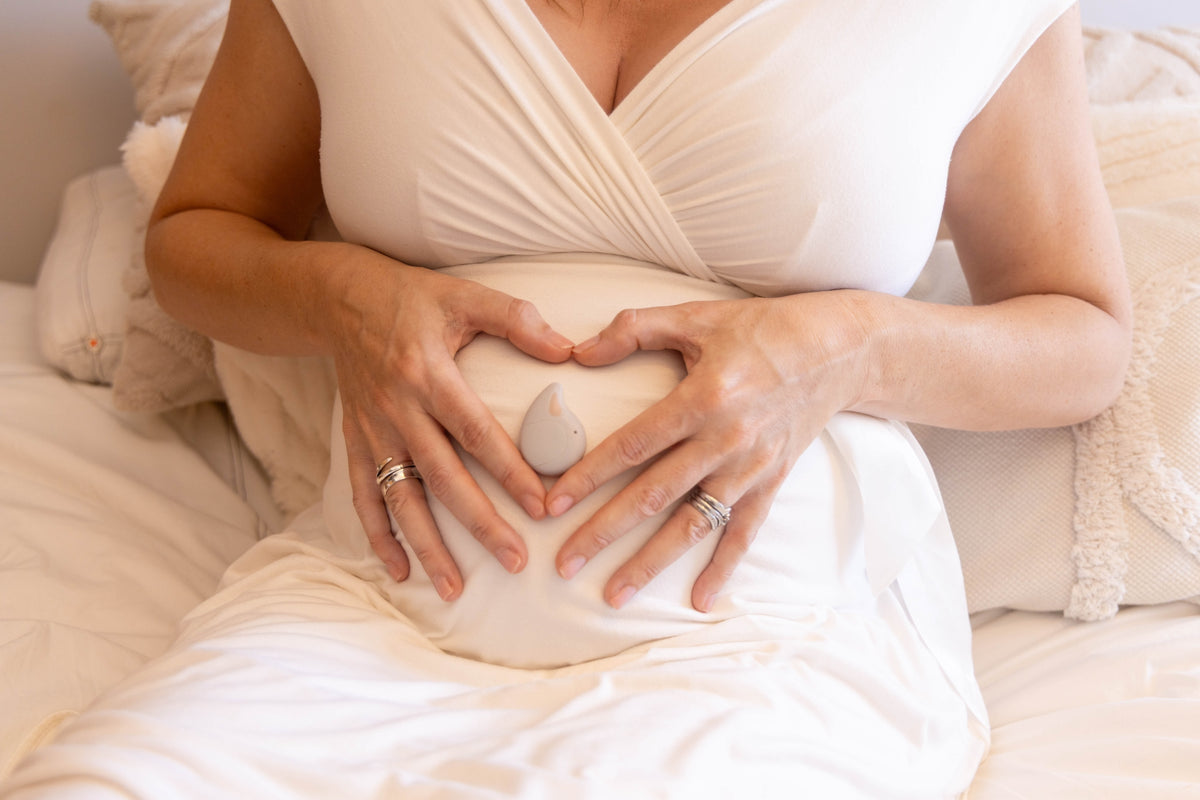
Sustained thermal patterns provide confirmation that ovulation occurred—giving you clarity about your cycle.
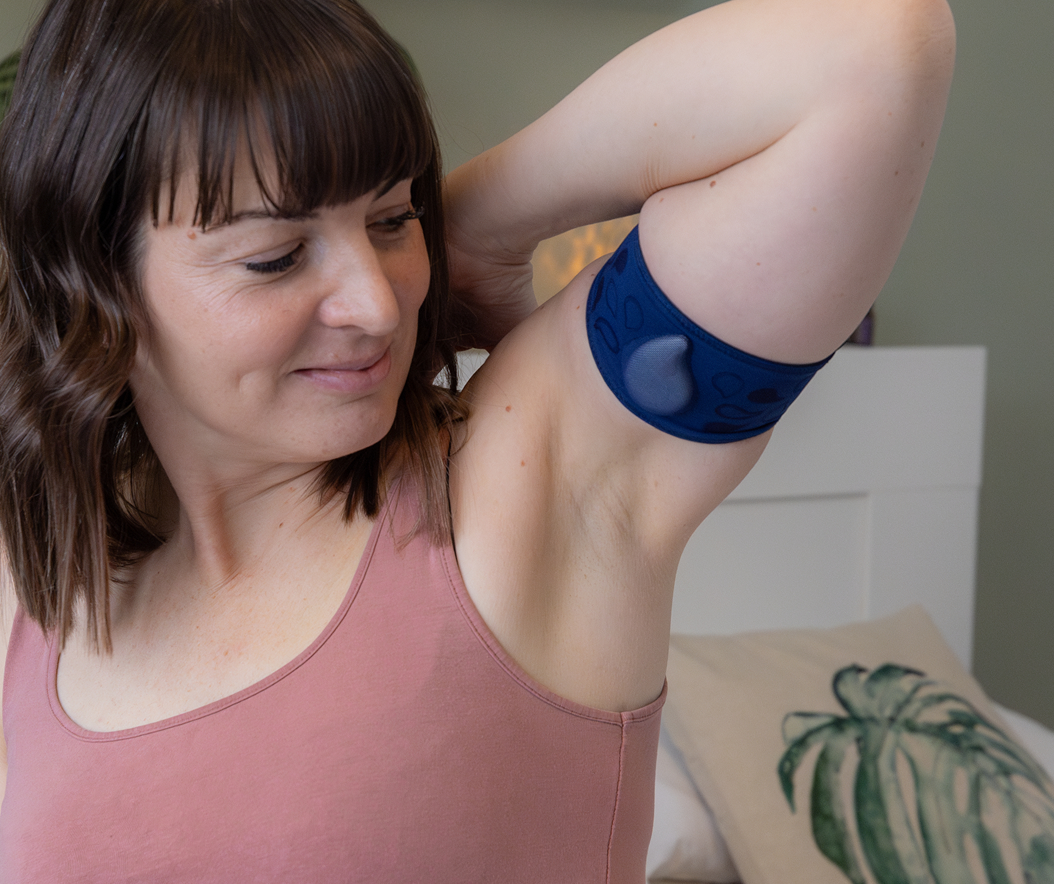


Beyond Tempdrop
Researchers are increasingly studying wearable technologies for detecting physiological changes associated with ovulation and the menstrual cycle. Results are promising, but devices, algorithms, signals, and study methods vary.
Independent research
2026 Systematic Review & Meta-analysis
A recent systematic review and meta-analysis reflects the growing research base around wearable fertility tracking.
Shi et al., npj Digital Medicine, 2026
27
Studies
6,244
Participants
14,288
Menstrual cycles
13
Evaluated wearable ovulation detection
88%
Pooled wearable accuracy
This pooled estimate combines heterogeneous wearable studies and should not be directly compared with Tempdrop’s 98.6% study metric.
2026
Narrative Review
Menstrual tracking technologies and fertility: evaluating accuracy, utility, and impact on time to pregnancy
Fertility and Sterility
2026
Systematic Review & Meta-analysis
The diagnostic accuracy of wearable digital technology in detecting fertility window and menstrual cycles
npj Digital Medicine
2025
Tempdrop Clinical Validation
Accuracy of an Overnight Axillary-Temperature Sensor for Ovulation Detection
Sensors
2024
Clinical Opinion
Consumer wearables and personal devices for tracking the fertile window
American Journal of Obstetrics & Gynecology
2023
Wearable Validation Study
Can Wrist-Worn Medical Devices Correctly Identify Ovulation?
Sensors
A recent systematic review and meta-analysis reflects the growing research base around wearable fertility tracking.
Good science includes knowing the limits of what the evidence can tell us.

Research Library
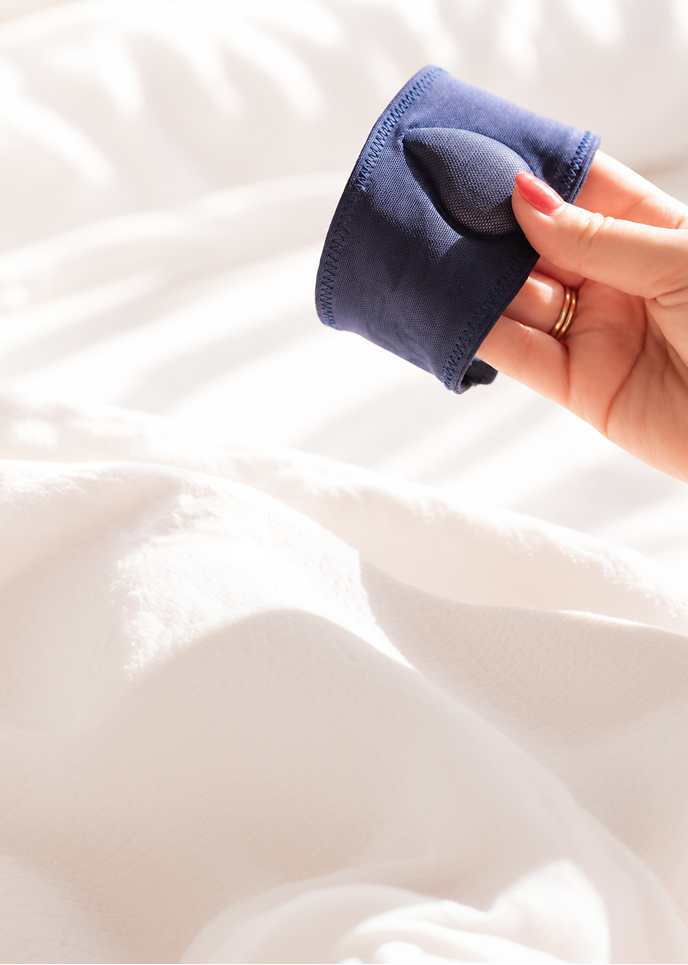
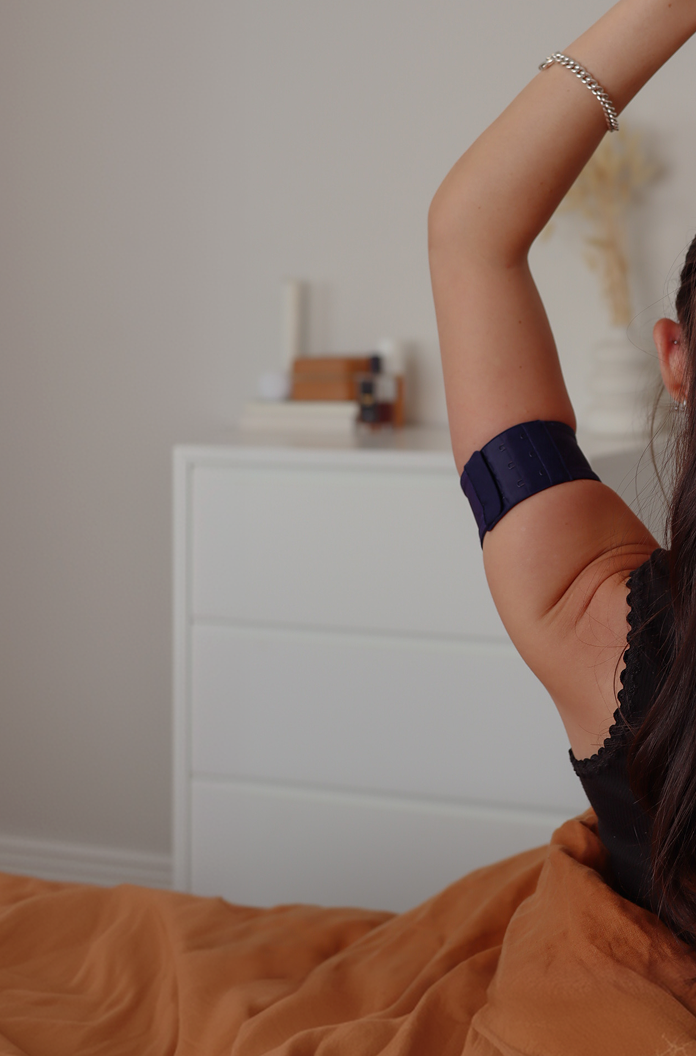
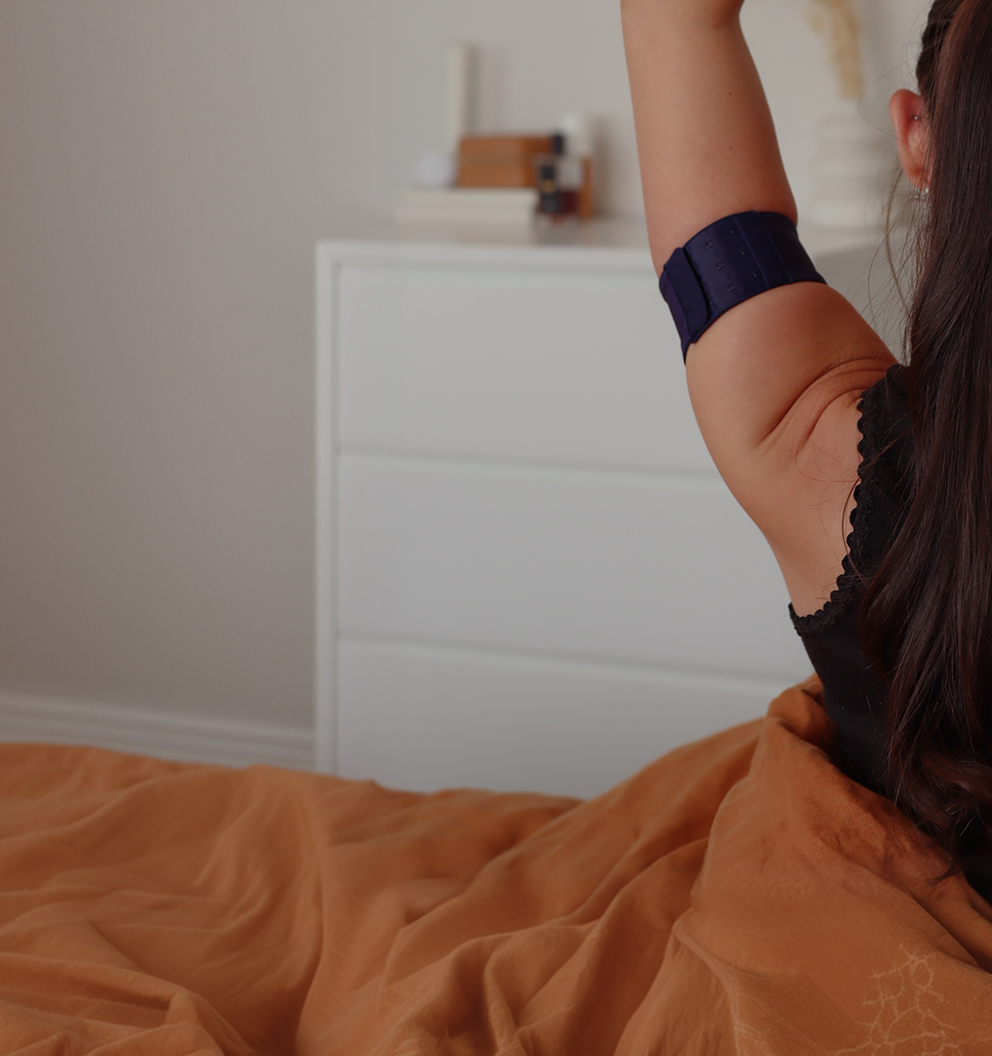
Explore Tempdrop 2, the fertility-tracking system evaluated in Tempdrop’s published overnight axillary-temperature validation study.


References
