


What is PMS? Everything You Need to Know About Premenstrual Syndrome
We all know the signs of PMS: the fatigue sets in, your patience drops, and the cravings begin. But while Premenstrual Syndrome (PMS) is a reality for most women, you don't have to be caught off guard every month. Whether your symptoms are mild or severe enough to make you wonder, "Is it just PMS?", you aren't alone. Here is your complete guide to understanding the full spectrum of severe and mild PMS symptoms, identifying your unique patterns, and how cycle tracking during your luteal phase can help you finally connect the dots.




Published June 5, 2026

You know the feeling: your jeans suddenly feel a little tighter, your patience wears thin over the smallest things, and your energy drops. For some of us, the days leading up to our period bring only mild cravings or bloating. For others, it’s an exhausting physical and emotional rollercoaster that disrupts daily life. We know this collection of symptoms as Premenstrual Syndrome (PMS). But while PMS is incredibly common, severe symptoms shouldn't be written off as "just part of the deal." Understanding what PMS is, why your body responds this way, and how to manage it can completely change how you experience the end of your cycle each month.
What is Premenstrual Syndrome (PMS)?
PMS is a group of physical, emotional, and behavioral symptoms that happen during the luteal phase of the menstrual cycle (the time after ovulation and before your period begins).
PMS symptoms typically start a few days to two weeks before menstruation and improve once bleeding starts or shortly after. Mild PMS can be common, but severe monthly symptoms that interfere with your quality of life are worth investigating.
PMS can feel different from person to person. Some women experience subtle changes, while others notice symptoms strong enough to affect relationships, work, sleep, or motivation.
While every body reacts differently to hormonal shifts, most people experience a combination of physical and emotional changes. Identifying these patterns is the first step toward managing them.
Common Symptoms of PMS: What to Expect
Some common symptoms you may experience in the days leading up to your period include feeling:
- More emotional than usual
- Easily irritated or overwhelmed
- Extra hungry or craving sweets
- Bloated and/or constipated
- Tired despite sleeping
- Less motivated
While these symptoms can feel random, they actually follow a predictable monthly pattern tied directly to your luteal phase. Tracking your cycle helps you connect the dots—by pinpointing ovulation and then the start of your luteal phase, you can anticipate these shifts and proactively support your body before symptoms hit.
Physical Changes to Watch For Two Weeks Before Your Period
As you enter the second half of your cycle (the luteal phase), your body begins to prepare for menstruation. While every woman's experience is unique, you might notice a variety of physical shifts. Physical symptoms of PMS may include:
- Bloating
- Breast tenderness
- Headaches/migraines
- Fatigue
- Acne flare-ups
- Changes in appetite
- Food cravings
- Constipation or digestive changes
- Trouble sleeping
- Joint or muscle aches
- Weight fluctuations from fluid retention.

Emotional symptoms of PMS may include:
PMS doesn't just show up in your body—it often impacts your mind, too. The natural hormonal dips of your luteal phase can profoundly affect your mood and mental well-being, causing emotional symptoms like:
- Mood swings
- Irritability
- Anxiety
- Feeling down
- Crying more easily
- Trouble concentrating
- Low motivation
- Feeling socially withdrawn
Are Mood Swings Normal Before a Period?
Mild mood changes can be common before your period due to normal hormonal shifts (specifically fluctuations in estrogen and progesterone). However, if mood swings are intense, disruptive, or difficult to control each month, it may be worth looking more deeply.
When symptoms cross the line from a mild annoyance to interfering with your daily life, it could be a sign of something more, such as:
- Significant PMS
- Premenstrual Dysphoric Disorder
- High stress levels
- Poor sleep
- Anxiety or depression that worsens cyclically
- Blood sugar instability
- Hormonal imbalances
If your symptoms of premenstrual syndrome interfere with daily life, always speak with a healthcare provider.
From Mild to Severe: Tracking Your PMS Symptom Severity
PMS exists on a spectrum; your experience might look completely different from your best friend's—and it might even change from month to month. To figure out what "normal" looks like for your body, it helps to categorize your symptoms:
- Mild PMS: You notice the shifts, but they are manageable and don't really slow you down.
- Moderate PMS: You're feeling the impact. These symptoms might make it harder to be productive, affect your relationships, disrupt your sleep, or drain your energy for your usual workouts.
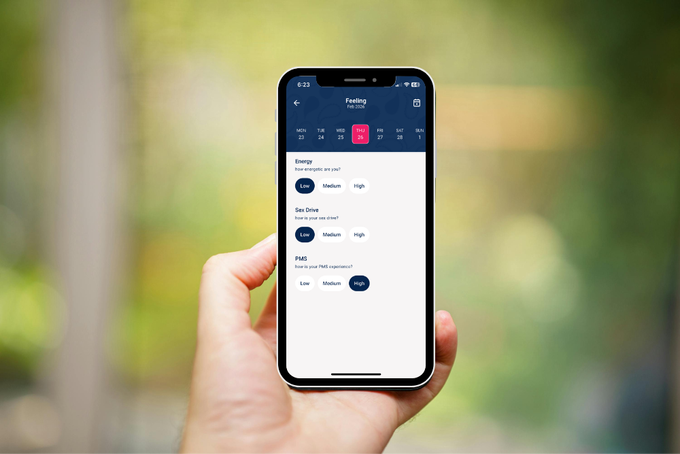
- Severe PMS: The symptoms feel overwhelming, throwing a wrench into your daily routines and significantly impacting your overall well-being. Keeping a daily symptom log for at least two to three cycles can help identify patterns and severity. Bringing this tracked data to your healthcare provider takes the guesswork out of the conversation and helps you get the right care.
What Causes PMS?
There is no single cause of PMS. Instead, it’s believed to result from a combination of factors.
PMS can also be influenced by blood sugar imbalance, nutrient deficiencies, chronic inflammation, thyroid dysfunction, or the transition off hormonal birth control.
The Role of Hormone Levels and Fluctuations
After ovulation, estrogen and progesterone naturally shift, though some women may be more sensitive to these hormonal changes than others. These fluctuations can influence everything from water retention and energy levels to brain chemicals like serotonin, which in turn affects mood, appetite, and sleep. It is important to remember that PMS doesn’t always mean hormones are “too high” or “too low.” Often, it is simply about how the body responds to these normal, healthy changes throughout the cycle.
Can Stress and Lifestyle Factors Worsen Premenstrual Symptoms?
Yes. Our bodies are interconnected systems, meaning even normal, healthy hormone shifts can feel much more intense when the body is already under added pressure.
Think of certain lifestyle factors as volume dials that can turn your PMS symptoms all the way up. For instance, chronic stress and poor sleep often amplify emotional sensitivity, while under-eating, nutrient gaps, or blood sugar swings can leave you feeling physically depleted. Other factors like high alcohol intake, a sedentary lifestyle, or even excess caffeine for some women can further exacerbate how these monthly shifts feel.
Getting Answers: How is PMS Diagnosed?
If you’re hoping for a simple blood test to confirm PMS, you might be surprised to learn that one doesn't exist. Because a diagnosis can't be found in a lab result, your own observations are actually your doctor's most powerful tool. Healthcare providers diagnose PMS by looking at the bigger picture of your symptom history. They are looking for a distinct pattern: symptoms that reliably pop up during your luteal phase, impact your daily life on a monthly recurrence, and then improve once your period begins.
Coming to your appointment with a few months of tracked cycle data is a game-changer—it gives your doctor the exact proof they need to help you find relief.
Medical Guidelines Used by Obstetricians and Gynecologists
According to the American College of Obstetricians and Gynecologists, to diagnose PMS, a healthcare provider looks for a repeating pattern of symptoms.
Symptoms typically:
- Present in the 5 days before a period
- Occur for at least three menstrual cycles in a row
- Improve within 4 days after the period starts
- Interfere with some normal activities.
Tracking your symptoms allows both you and your provider to identify whether symptoms follow a clear monthly pattern.
Why Tracking Your Menstrual Cycle is Key to Getting PMS Diagnosed
When it comes to diagnosing PMS, patterns are everything. Cycle tracking transforms a frustrating conversation with your doctor into an actionable one. If you walk into an appointment and simply say, "I feel awful before my period," it's hard for a provider to know where to start. But if you walk in with concrete data, the conversation changes entirely.
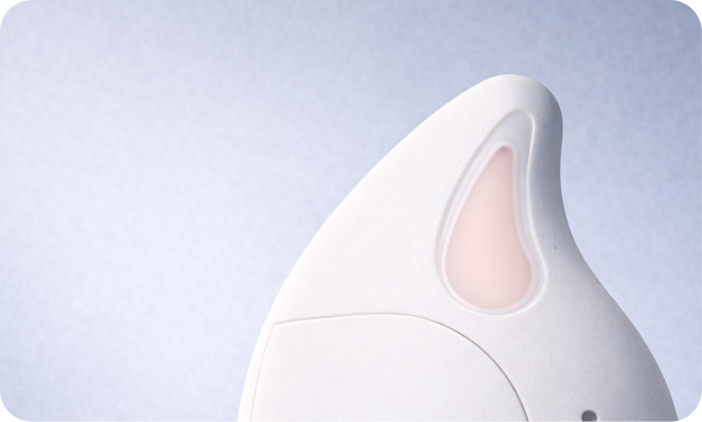
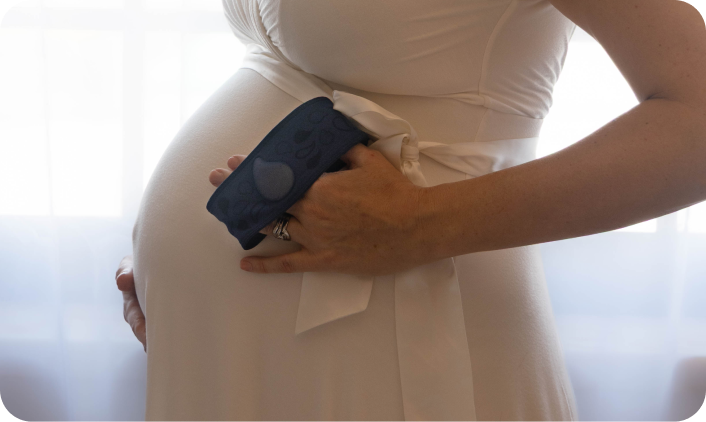
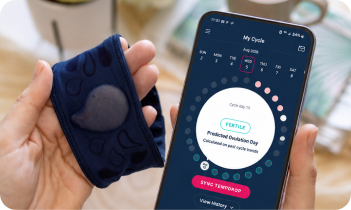
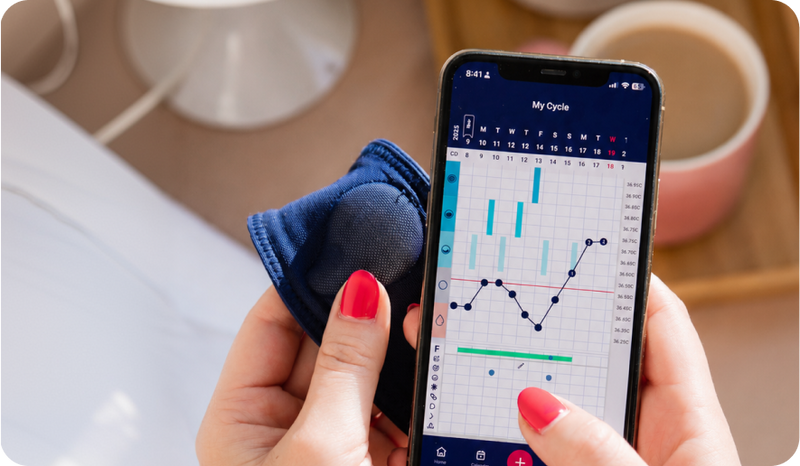
Using Tempdrop to track your basal body temperature (BBT) is the crucial first step, as it confirms ovulation and pinpoints exactly when your luteal phase begins and ends (your period starts). As a bonus, Tempdrop also tracks your sleep, so you can look for patterns or changes in the days leading up to your period. We also recommend you log your daily mood and energy levels, alongside any additional notes you can refer back to, such as feelings, cravings, etc. Giving you a comprehensive map of your cycle.
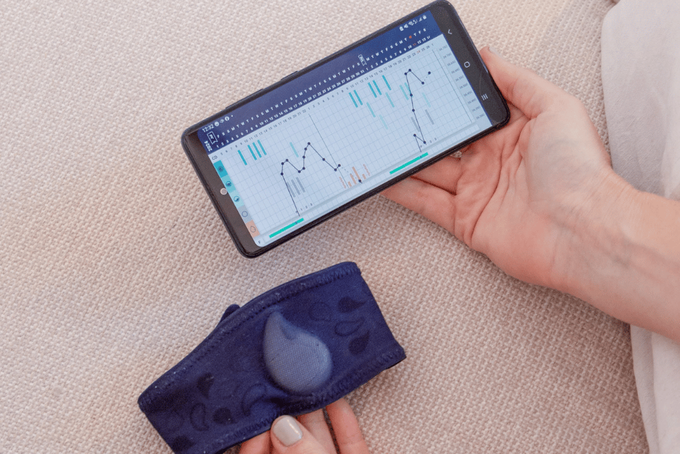
This data proves to your provider that your symptoms are directly tied to your hormonal shifts, making it much easier to get an official diagnosis and a customized care plan.
PMS vs. PMDD: Spotting the Difference
Premenstrual syndrome and Premenstrual Dysphoric Disorder are not the same.
PMDD is a more severe condition involving intense emotional and psychological symptoms before menstruation that often start earlier in the luteal phase.
Symptoms may include:
- Severe depression
- Rage or extreme irritability
- Panic symptoms
- Hopelessness
- Relationship conflict
- Difficulty functioning
Doctors base a PMDD diagnosis on a medical handbook known as the DSM-5 (Diagnostic and Statistical Manual of Mental Disorders, Fifth Edition). The DSM-5 requires at least 5 PMDD symptoms to be present in the majority of menstrual cycles from the last year. PMDD requires specific medical support and treatment. If symptoms feel extreme, seek professional care.
How to Treat PMS and Relieve PMS Symptoms
Treatment of PMS depends on symptom severity and root causes.
Lifestyle Changes and Natural Remedies That May Help
Many women find relief from PMS symptoms using natural remedies and by incorporating simple changes into their routine. Supporting your nervous system and physical health can lower the "volume" of monthly discomfort.
To support your body during the luteal phase, consider focusing on these key areas:
- Nutritional Foundation: Focus on protein-rich meals and whole grains like oats, quinoa, or brown rice to maintain steady energy and blood sugar balance. Reducing ultra-processed foods and limiting excessive alcohol can also prevent symptoms from spiking.
- Restorative Habits: Prioritizing an earlier bedtime the week before your period and incorporating magnesium-rich foods or Epsom salt baths can help soothe the body. Simple tools like heating pads for cramps and staying well-hydrated offer immediate physical support.
- Stress & Movement: Reducing schedule overload and practicing nervous system support through journaling or gentle walks can make a major difference. Regular exercise and stress management help the body process hormonal shifts more smoothly.
While these habits may not provide an overnight fix, they often lead to a noticeable reduction in PMS intensity when practiced consistently over time.
What Do Doctors Prescribe for Severe PMS?
In addition to natural remedies and lifestyle changes, your health care provider may also prescribe the following if you are experiencing moderate to severe symptoms:
- Anti-inflammatory pain relievers
- Hormonal birth control
- SSRIs (sometimes used only during the luteal phase)
- Therapy or mental health support
- Further testing to rule out thyroid or mood disorders
Always discuss your personal treatment plan with your trusted healthcare provider.
Final Thoughts
PMS is common, but feeling miserable every month is not something you simply have to accept.
If symptoms are severe, worsening, or interfering with your life, do not dismiss them as “just PMS.” Tracking your cycle and speaking with a healthcare provider can help uncover what is driving them and find relief.
Your cycle can offer useful clues, and support is available.