
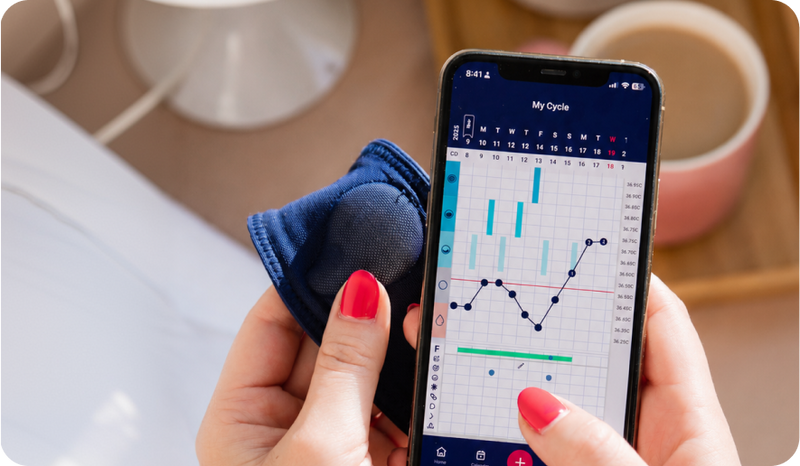


How to Successfully Track Your Postpartum Fertility While Breastfeeding
If you are breastfeeding, your body is performing a silent, hormonal balancing act. While nursing is often touted as 'nature's birth control,' the reality is much more nuanced.






Published March 31, 2026
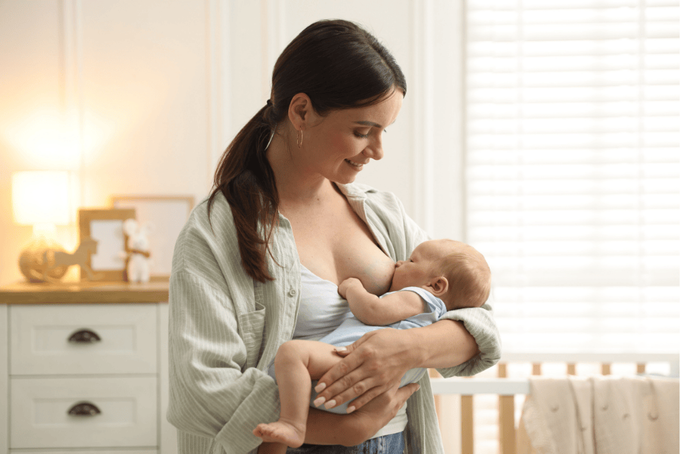
Step-by-Step: Tracking Your Fertility While Breastfeeding
If you are breastfeeding, your body is performing a silent, hormonal balancing act. While nursing is often touted as 'nature's birth control,' the reality is much more nuanced.
Breastfeeding acts as a fertility suppressant, delaying the return of fertility for weeks or months postpartum (this is called lactational amenorrhea). Pregnancy is extremely nutrient-expensive, so by suppressing fertility, breastfeeding ensures your baby has sufficient food and that you have time to physically recover and replenish your own nutrient stores before having more children.
How Breastfeeding Hormones Suppress Postpartum Ovulation
There are several hormones involved in the work of ovulation:
- Follicle-stimulating hormone (FSH)
- Luteinizing Hormone (LH)
- Estrogen
- Progesterone
The hormone necessary for breast milk production (Prolactin) suppresses ovulation by inhibiting the release of FSH in the brain. FSH is responsible for triggering follicle development in the ovary, which is how breastfeeding prevents ovulation.
Note: Because pumping doesn’t create the same direct suckling stimulus at the breast, fertility may not be suppressed in the same way. This is exactly where tracking your fertility using a wearable, like Tempdrop, becomes a non-negotiable tool for peace of mind.
Can You Get Pregnant Before Your First Postpartum Period?
Yes, you can absolutely get pregnant before your first postpartum period. This is because ovulation (the release of an egg) happens before your period starts. If you wait until your first bleed to start using birth control, you may have already missed your first fertile window.
The First Egg: Why Your Period Isn't the First Sign Fertility Has Returned
Many women believe their period is the "green light" that fertility has returned, but it is actually the final stage of a cycle that has already happened.
- Without breastfeeding: Studies show up to 71% of women will ovulate before their first postpartum bleed (1). and fertility can return within the first 6 weeks postpartum.
- With breastfeeding: While nursing delays the return of your cycle, the "6-month mark" is a critical turning point. If you experience bleeding before 6 months, it is more likely to be a bleed without ovulation. However, after 6 months, it is much more likely that you will ovulate before that first bleed (2).
Tracking your cycle helps you confirm if ovulation was a precursor, or not.
What Drives the Return of Your Fertility?
The timing of your first ovulation is primarily driven by two things: suckling frequency and prolactin levels.
Prolactin is the hormone that makes milk, and it acts as a natural brake on your ovaries. Some women are especially sensitive to this hormone and won't ovulate until they significantly reduce or stop nursing sessions. On the other hand, if your baby starts sleeping through the night or taking a bottle, your prolactin levels may drop enough to allow that "first egg" to be released.
Postpartum Fertility Tracking Made Simple
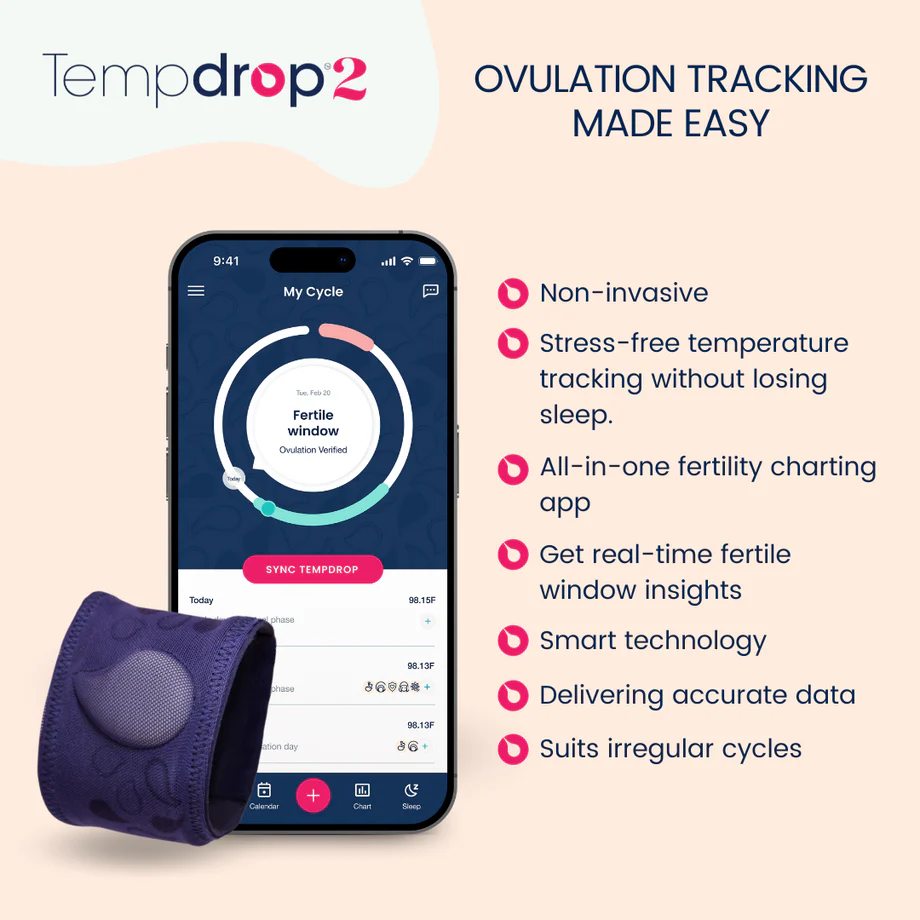

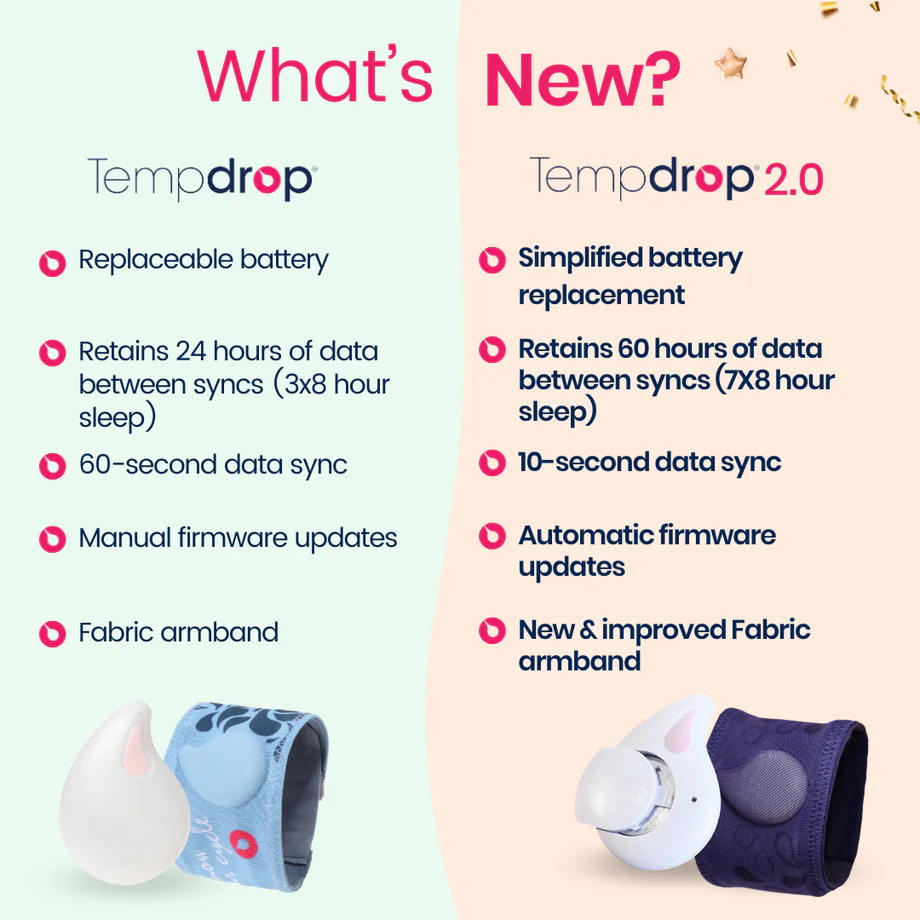
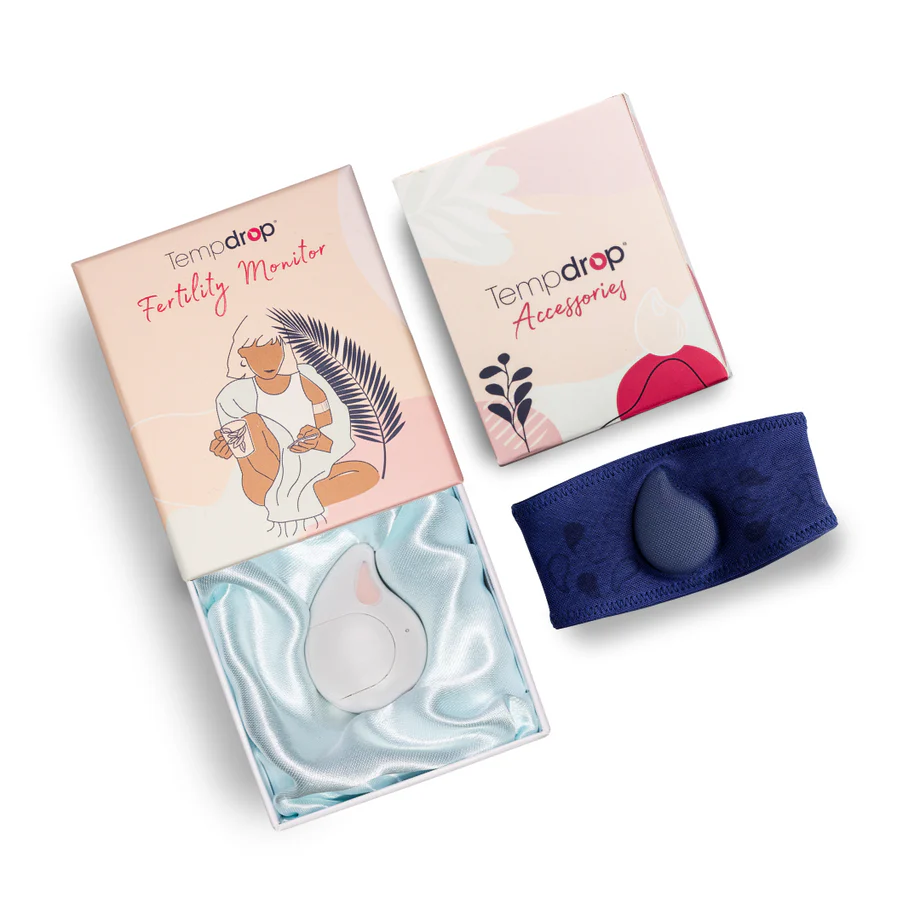
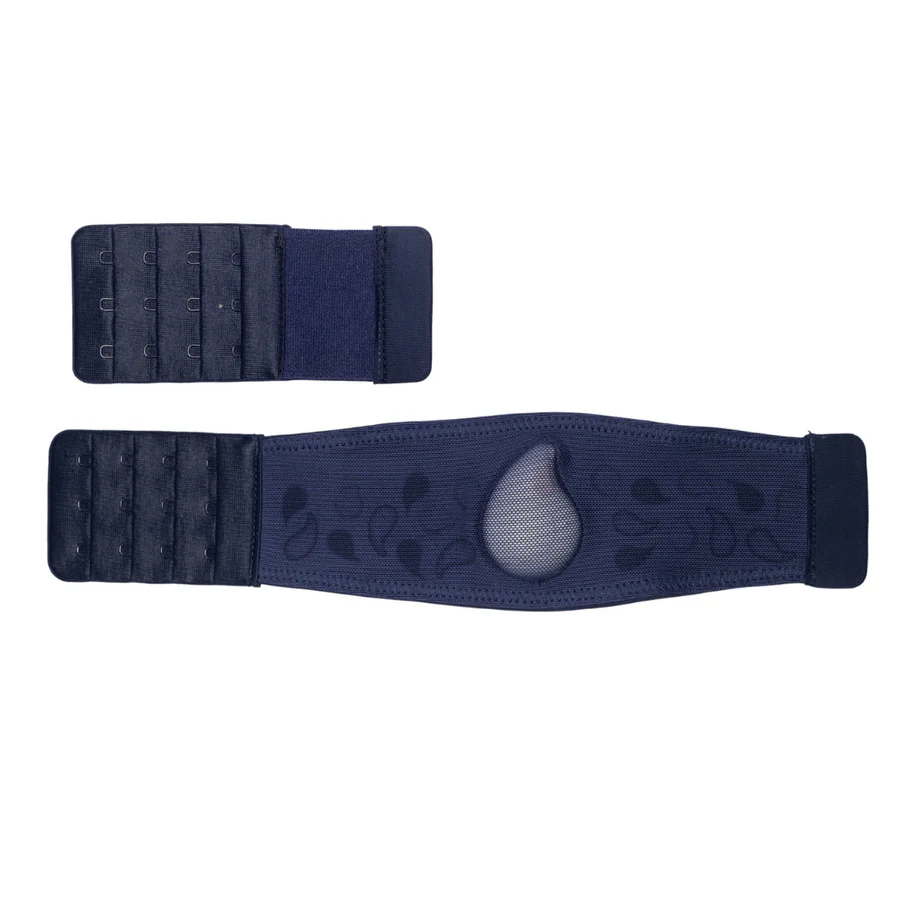
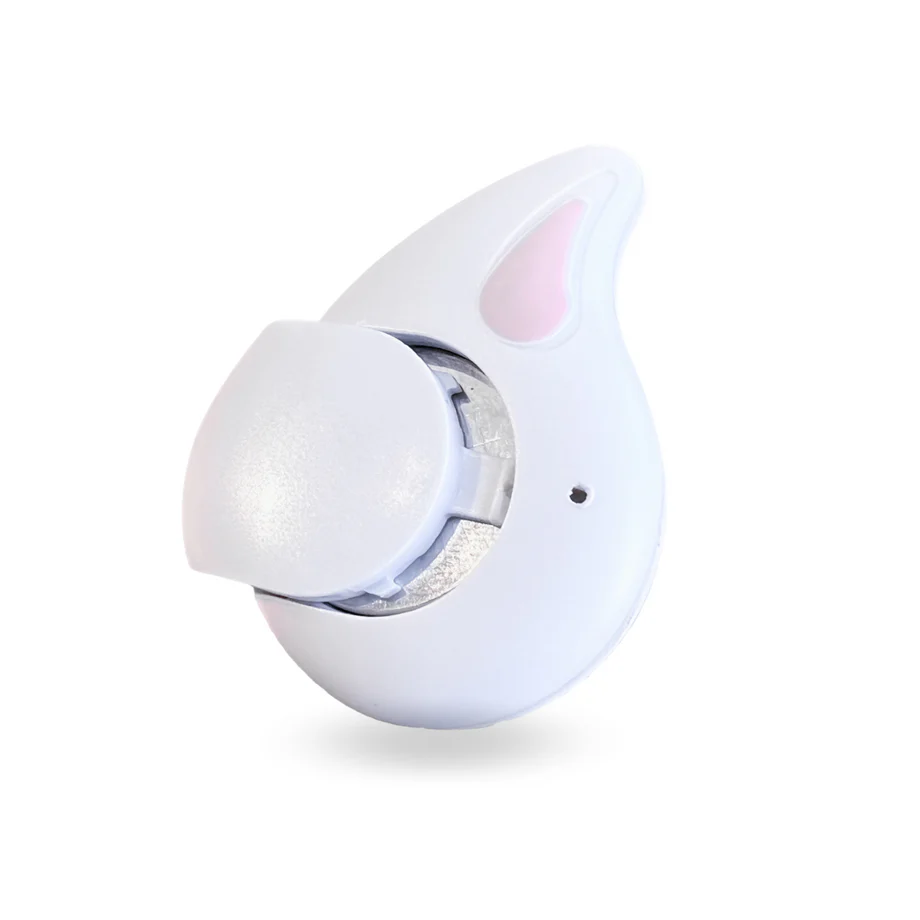
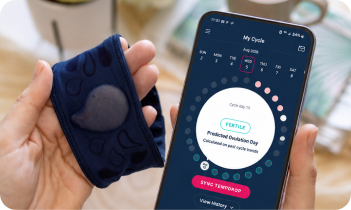
Tempdrop’s smart sensor adjusts to your unique postpartum routine, delivering accurate BBT readings no matter when you sleep or wake.
Learn MoreCan breastfeeding be used for natural birth control?
Since breastfeeding naturally suppresses ovulation, it has traditionally been used as a natural form of child spacing. However, with a lack of maternity leave, breastfeeding support, traditional postpartum village care, and other various factors, many women are unable to exclusively breastfeed (sometimes referred to as continuous breastfeeding).
Reduced breastfeeding frequency, reduced duration of each feed, and the introduction of supplementary feedings (with pumped milk or formula) are all associated with an earlier return of ovulation (4).
LAM is a temporary family planning method that relies on exclusive breastfeeding to prevent ovulation. Studies show that LAM is 98% effective as a method of birth control if you:
- Have no bleeding past 56 days postpartum,
- Are exclusively nursing (every 4 hours during the day and 6 hours at night), and
- Your baby is under 6 months of age.
You can learn more about these fertility awareness methods here.
If you do not meet the criteria for Ecological Breastfeeding or LAM, you can still use a Fertility Awareness based Method to avoid pregnancy. This guide discusses your options, or you can read about some of my favorite methods for postpartum here.
How to Identify Return of Postpartum Fertility
Whether you are meticulously avoiding a “surprise pregnancy” or are eagerly planning to conceive your next baby, understanding the nuances of your body’s return to fertility in this complex phase is the key to moving forward with confidence rather than guesswork.
Your first key is to track an “estrogen sign”. This could be:
Cervical mucus,
Cervical position,
Urinary hormones
This will help you identify when fertility is potentially returning.
There are often multiple waves of follicular development before your first ovulation postpartum. Many women experience patches of cervical mucus postpartum that don't lead to ovulation. This can be incredibly confusing (and often frustrating) for moms. It also makes tracking your fertility signs more complex. Working with a certified fertility awareness instructor can help take the guesswork out of understanding your cervical mucus and BBT patterns and help you identify the return of fertility (your first ovulation after pregnancy).
How does basal body temperature (BBT) change after giving birth?
Tracking basal body temperature (BBT) can help you confirm when ovulation has finally happened, since body heat rises in response to the hormone progesterone. During the first week postpartum, your BBT may remain elevated as the high levels of progesterone from pregnancy fall.
Temperatures tend to be more erratic during postpartum due to low hormone levels and frequent night waking. It is common to see false temperature shifts that mimic ovulation, therefore, ensuring you follow a specific postpartum protocol for your chosen fertility awareness method is essential for accuracy. Often, the temperatures become more consistent with the return of fertility, and you will still experience a temperature rise after ovulation.
You might also notice that during the first few cycles after giving birth, you have shorter luteal phases than what is considered normal (10-16 days). Your luteal phase should return to a normal length within six cycles. Tracking BBT can be a helpful way to see how your luteal phases improve back to normal postpartum, as BBT is reflective of your progesterone levels. If this doesn’t happen and you notice continued short luteal phases then we recommend speaking to your medical practitioner about it.
If you are trying to conceive, a short luteal phase (due to low hormone levels - primarily progesterone) can prevent a fertilized egg from implanting. Tracking BBT can be a helpful way to see how your luteal phase improves over time and to understand if you need to focus on nutrient restoration initially, before conceiving again.
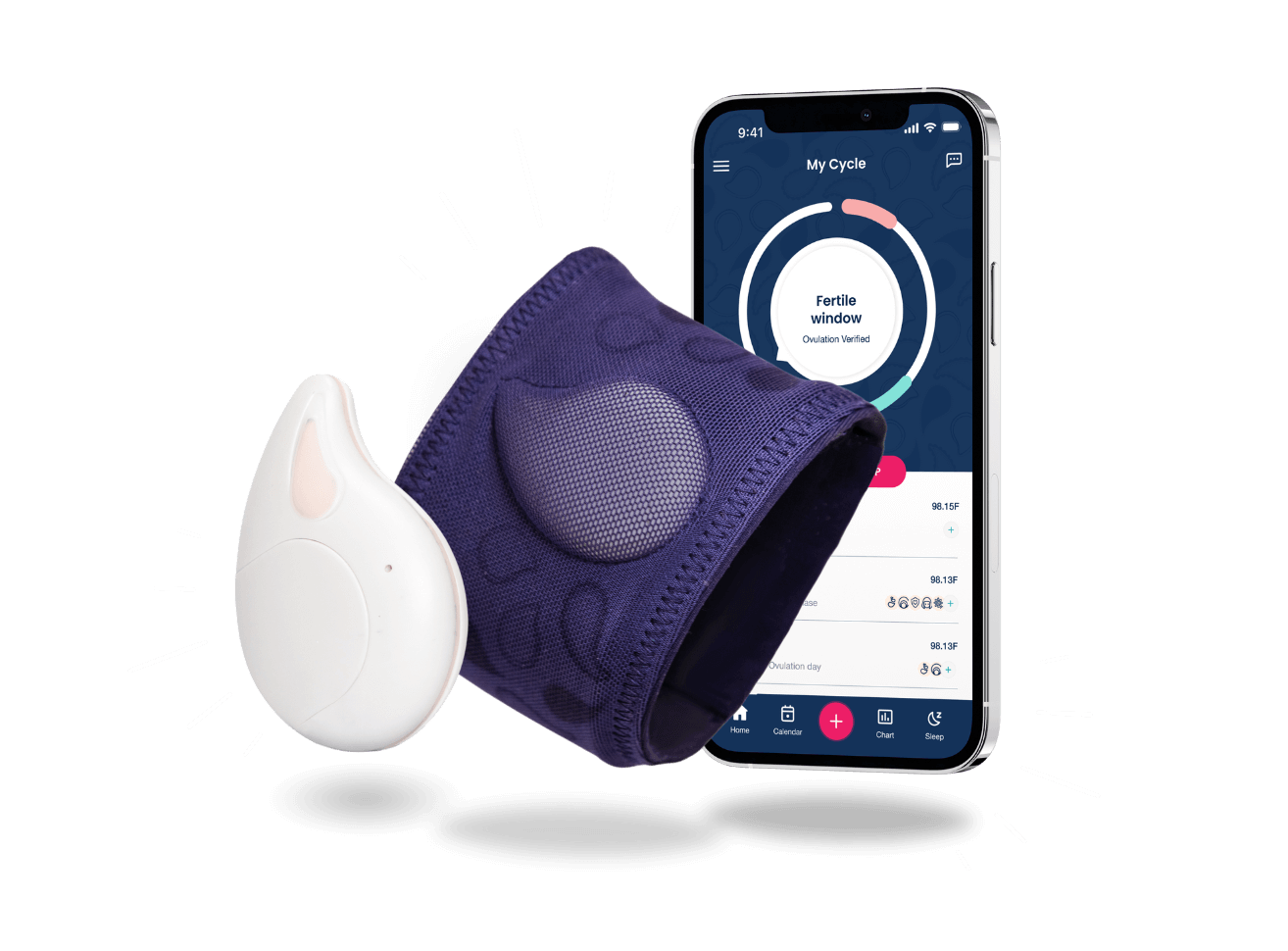
Fertility Tracking Made Simple
Combine BBT and mucus tracking for a complete understanding of your fertility health.
Is Breastfeeding Still a Reliable Birth Control for You?
While it is clear breastfeeding is an effective form of birth control, for it to work, you must remember these two critical factors:
- Exclusive breastfeeding is the key to prolactin’s success in suppressing ovulation. This means you only give your baby breast milk without any other liquids, including water. Pumping also makes breastfeeding less effective as a form of birth control.
- Breastfeeding is temporary as a birth control method and can only be relied upon for six months at the most. At the six-month mark, you will likely begin introducing other foods into your baby’s diet.
Frequently Asked Questions
Can breastfeeding be used for natural birth control?
Yes, but only when specific protocols like the Lactational Amenorrhea Method (LAM) or Ecological Breastfeeding are strictly followed. While nursing naturally suppresses the hormones needed for ovulation, its effectiveness depends on exclusivity, the age of your baby, and the absence of any postpartum bleeding.
Can I get pregnant while breastfeeding?
Yes. Pregnancy is more likely if you are not exclusively breastfeeding (e.g., you are pumping or supplementing with formula or breast milk), if your baby is older than six months and has started solids, or if your period has already returned. If your cycle has resumed, tracking your Basal Body Temperature (BBT) can help you determine if your luteal phase is long enough to support a new pregnancy.
If I pump, can I still use breastfeeding to avoid another pregnancy?
If you are pumping, you should use a Fertility Awareness Method (FAM) in combination with nursing. Because pumping does not always suppress ovulation as effectively as direct nursing, relying on it alone for birth control is not recommended. Tracking your biological signs ensures you aren't guessing about your fertility.
Can I track BBT with a newborn or interrupted sleep?
Yes, though traditional oral thermometers can be difficult to use during the postpartum phase because they typically require 3-4 hours of consecutive sleep. This is where Tempdrop shines: because it only requires two hours of sleep (and three hours of wear time)—which does not need to be consecutive—it is the ideal tool for tracking with a newborn.
Does breastfeeding affect the accuracy of my BBT readings?
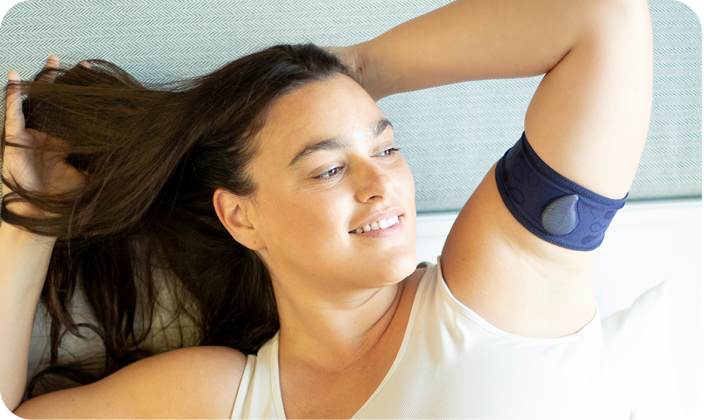
Breastfeeding increases blood flow and skin temperature specifically around the breast tissue, but this does not impact your overall basal body temperature. Since the Tempdrop sensor is worn on the inside of the upper arm, your readings remain accurate and are not affected by localized breast temperature changes.