

Conceive with Confidence Bundle
20% OFFStandard Armband
$219.00
$279.00

Armband Size Guide
Upper arm circumference
How to Measure

Size chart
| Size | Inches | cm |
|---|---|---|
| Standard Armband | 8.5″ – 15.5″ | 21.5 – 39 cm |
| Extra-Long Armband | 12.5″ – 18.5″ | 31.5 – 47 cm |
Struggling with severe premenstrual mood swings? Discover what PMDD is, how to get a proper diagnosis, and effective treatments to help you find relief.

Updated March 24, 2026

Many women are familiar with the phrase premenstrual syndrome (PMS). Just before our period our hormones drop lower and we often experience physical and emotional shifts.
However, Premenstrual Dysphoric Disorder (PMDD) is a severe, hormone-sensitive mood disorder that goes much further than typical PMS symptoms. PMDD is associated with significant distress and can severely interfere with work, school, social activities, and relationships.
Understanding the difference between the two—and what PMDD looks like in a typical cycle—is the first vital step in getting the care you deserve.
Our society often makes light of PMS, which can unfortunately gaslight women into believing their extreme symptoms are just “normal.” To understand PMDD, it helps to first look at standard PMS.
Normal Premenstrual Syndrome (PMS) includes a range of mild to moderate symptoms that usually start a few days before menses. These can include:
Most people have at least some of these symptoms. While they might slow us down a bit, they shouldn’t keep us from tending to our daily tasks, and they resolve quickly during menstruation.
Premenstrual Dysphoric Disorder (PMDD), on the other hand, is estimated to affect 3–8% of the population. Officially recognized as a medical disorder in 2013, PMDD involves severe and debilitating physical and emotional symptoms that can last 1–2 weeks before menstruation. Symptoms include:
The impact of PMDD is profound; an estimated 15% of people with PMDD have attempted suicide. If your symptoms are severe enough that you have to miss school or work, or can’t get out of bed, this is not normal PMS, and you deserve care and intervention.
Doctors base a PMDD diagnosis on a medical handbook known as the DSM-5 (Diagnostic and Statistical Manual of Mental Disorders, Fifth Edition). The DSM-5 requires at least 5 PMDD symptoms to be present in the majority of menstrual cycles from the last year.
To fit a PMDD diagnosis, the PMDD symptoms must:
One or more of the following PMDD symptoms must be present:
In addition, one (or more) of the following symptoms must be present to reach a total of five symptoms:
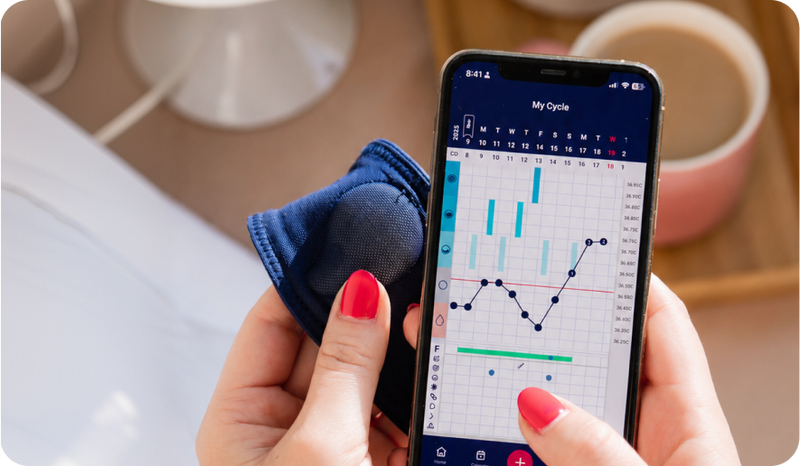
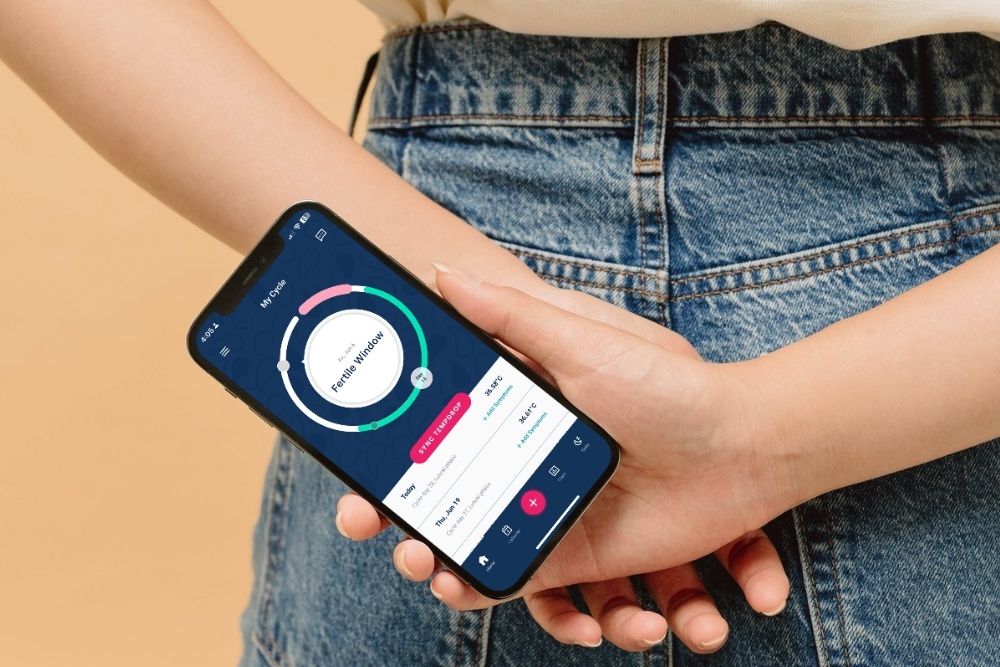
If you’re concerned you may have PMDD, the best way to collect data for your doctor is by tracking your cycle and your symptoms. Keep a daily record of when your symptoms show up, what they are, and how severe they feel - you could even add a rating of your symptoms in your personal comments in the app.
Having precise basal body temperature (BBT) data ensures that a healthcare provider has the information necessary for an accurate diagnosis. Charting your menstrual cycles also helps you learn whether your estrogen and progesterone are in balance. Without cycle tracking, it’s much more difficult to pinpoint your luteal phase (the time from ovulation to your next period) and understand if you are dealing with PMDD or a different condition. (Tip: Check out the Tempdrop Community or check in with an instructor if you need help interpreting your charts!)
If you are suffering from PMDD, there are ways to support your body and manage your symptoms. Note: This does not serve as medical advice. Any care plan for PMDD should be discussed with your healthcare provider.
The best way to figure out if you have PMDD? Start tracking your cycle and your symptoms.
Keeping a record of when in your cycle your symptoms show up, what they are, and how severe they feel gives your healthcare provider the information they need for an accurate diagnosis.
Without cycle tracking, it’s much harder to tell what’s happening — and you deserve clear answers.
Track your cycle with precision and gain deeper insights into your health.
Frequently Asked Questions
Is PMDD a mental illness or a hormonal imbalance?
PMDD is a diagnosable hormone-mediated mood disorder. It represents an abnormal, severe brain reaction to the normal hormonal fluctuations that happen during the menstrual cycle.
How do I know if I have PMDD or just bad PMS?
PMDD is a diagnosable hormone-mediated mood disorder. It represents an abnormal, severe brain reaction to the normal hormonal fluctuations that happen during the menstrual cycle.
Why do I feel like a different person before my period?
There are normal hormonal shifts (like the steep drop in estrogen and progesterone) that cause us to feel different during our luteal phase. However, if you are noticing extreme shifts that impact your quality of life, it is best to see a medical provider and track your cycle to determine if you may have PMDD.
Can diet and lifestyle changes help with PMDD?
Yes! Eating an anti-inflammatory diet can decrease the amount of histamine your body makes, which can help reduce period pain and symptoms. Steering clear of sugar, alcohol, caffeine, and gluten in the week leading up to your period, staying hydrated, and managing stress can all support your body in reducing severe premenstrual symptoms.
Are there natural supplements for PMDD and severe PMS?
Many people find relief through supplements and plant allies. Low magnesium levels can contribute to cyclical headaches and cramps, while Vitamin B6 plays a role in creating mood-regulating neurotransmitters. Herbs like Ashwagandha, Vitex, and Evening Primrose Oil can also offer support, though it is always recommended to work with an experienced herbalist or healthcare provider when starting plant medicine.

Lisa Cartier
September 1, 2025

Mikayla Taylor
July 3, 2026
Nathalie Daudet
November 24, 2025

Tempdrop Team
September 13, 2026

Gemma Rigby
March 12, 2025