



Trying to Conceive with Uterine Fibroids? What You Need to Know






Updated July 3, 2026
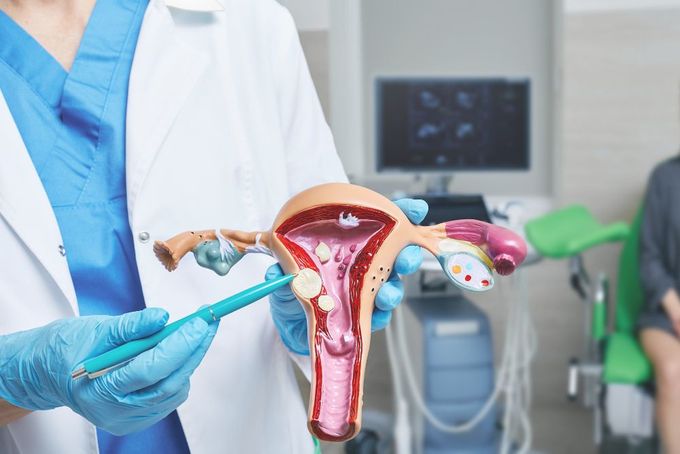
Uterine fibroids, also known as leiomyomas or myomas, are non-cancerous growths that develop in, on, or around the uterus. They can vary greatly in size, ranging from as small as a pea to masses larger than a golf ball. Fibroids can occur in women of any childbearing age, although they are most commonly diagnosed in those aged 30-40, and appear to be more prevalent among African-American women. Although the exact cause of uterine fibroids remains unknown, researchers believe that hormonal and genetic factors may contribute to their development.
Symptoms of Uterine Fibroids
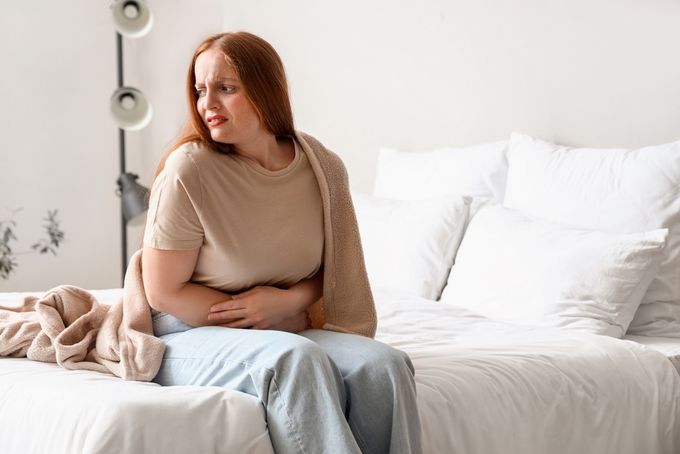
Some women with uterine fibroids experience no symptoms and may not know they have them. For others, fibroids can cause a variety of symptoms, including:
Heavy prolonged periods
Pain or pressure in your pelvis
Frequent use of the bathroom
Reproductive issues that may interfere with your ability to get or stay pregnant
Painful intercourse
Constipation
Bloating
» Struggling with a heavy flow? Check out this guide to better understand your bleeding patterns
How Fibroids Are Detected
While Pap smears are a routine part of gynecologic care, ultrasounds to detect fibroids are usually performed only when symptoms or other concerns arise. Depending on their size and location, fibroids may sometimes be felt during a pelvic exam. In some cases, fibroids can become large enough to cause noticeable abdominal swelling.
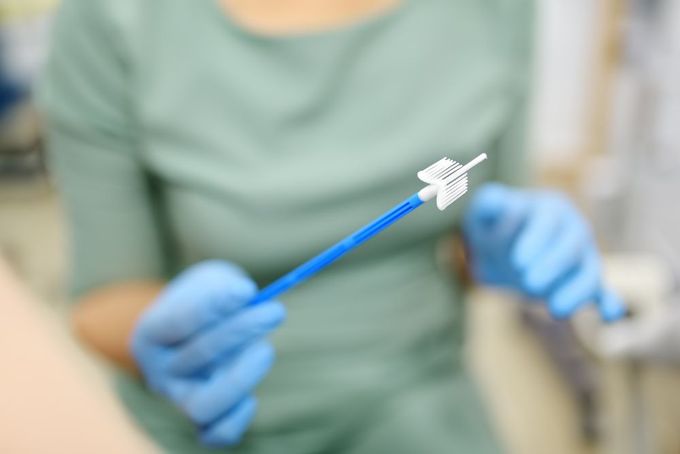
Because fibroids don't always cause symptoms, it's important to pay attention to changes in your menstrual cycle and reproductive health. Heavy or prolonged periods, pelvic pain or pressure, frequent urination, or difficulty becoming pregnant are all reasons to speak with your healthcare provider.
If you have persistent symptoms or a family history of fibroids, ask whether additional evaluation, such as a pelvic ultrasound, may be appropriate.
How Do Fibroids Affect Fertility?
Many women with uterine fibroids are able to conceive and have healthy pregnancies. Whether fibroids affect fertility depends largely on their size, number, and location.
Some fibroids have little to no impact on fertility. However, fibroids that distort the uterine cavity or block the fallopian tubes may make it more difficult to conceive. In some cases, fibroids can interfere with implantation or reduce the space available for a developing pregnancy.
If you've been diagnosed with fibroids and are trying to conceive, your healthcare provider can help determine whether treatment is recommended based on your individual circumstances.

Can fibroids outside the uterus impact my ability to get pregnant?
It depends on where they're located. Fibroids growing on the outside of the uterus (subserosal fibroids) often have little effect on fertility. However, if a fibroid is located near a fallopian tube, it may partially or completely block the egg's path to the uterus, making conception more difficult.
If a fibroid is interfering with the fallopian tubes or significantly affecting the shape of the uterus, your healthcare provider may recommend treatment before you try to conceive.
How Fibroids Affect Pregnancy
Many women with uterine fibroids have healthy pregnancies. However, depending on their size, number, and location, fibroids may increase the risk of certain pregnancy complications. These can include pelvic pain, placental complications, abnormal fetal positioning (such as breech presentation), preterm labor or birth, and a higher likelihood of cesarean delivery. Because every pregnancy is different, it's important to work closely with your healthcare provider to monitor both your health and your baby's throughout pregnancy.
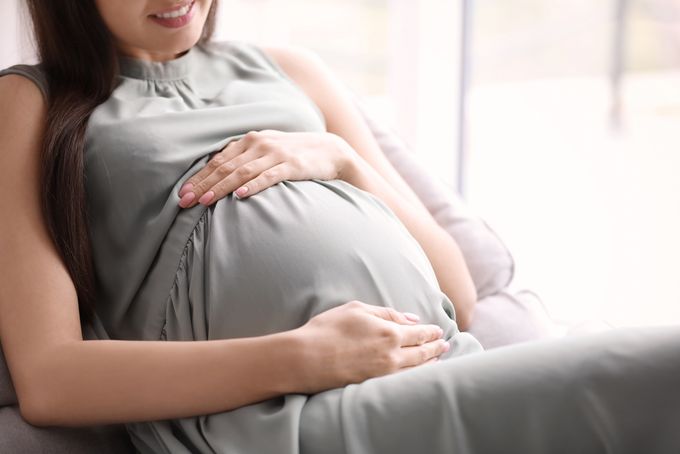
Do Fibroids Grow During Pregnancy?
Fibroids can change in size during pregnancy, particularly during the first trimester when estrogen and progesterone levels rise. In some women, fibroids enlarge, while in others they remain the same size or even shrink. Occasionally, a fibroid may grow so rapidly that it outpaces its blood supply, causing the tissue to break down in a process known as degeneration. Although fibroid degeneration is not usually harmful to the baby, it can cause sudden, severe abdominal pain and may require medical treatment to manage symptoms.
Can fibroids increase the risk of miscarriage?
Some fibroids may increase the risk of miscarriage, particularly those that distort the uterine cavity or interfere with placental implantation. However, the risk depends on the size, number, and location of the fibroids, and many women with fibroids go on to have healthy pregnancies and deliveries.
Do fibroids shrink after pregnancy?
Yes, some fibroids shrink after pregnancy. As estrogen and progesterone levels return to pre-pregnancy levels after childbirth, fibroids often decrease in size. Research suggests that some fibroids may shrink significantly during the postpartum period, although others may remain the same size or require ongoing monitoring. If you have fibroids, your healthcare provider can evaluate any changes during your postpartum follow-up visits.
» Find out how charting your cycle can help you identify early pregnancy concerns
Treatment Options for Uterine Fibroids
Treatment for uterine fibroids depends on several factors, including the size, number, and location of the fibroids, your symptoms, and whether you're planning to become pregnant. Some women don't need treatment at all, while others may benefit from medication or surgery.
Watchful Waiting
If your fibroids aren't causing symptoms, your healthcare provider may recommend monitoring them over time rather than treating them immediately. Regular pelvic exams or imaging can help track any changes in size or symptoms.

Medications
Although medications cannot permanently eliminate fibroids, they may help manage symptoms such as heavy menstrual bleeding or pelvic pain. Depending on your symptoms and reproductive goals, your healthcare provider may recommend hormonal birth control, gonadotropin-releasing hormone (GnRH) agonists or antagonists, or other medications to temporarily shrink fibroids before surgery.
Myomectomy
A myomectomy is a surgical procedure that removes fibroids while preserving the uterus. It is often the preferred surgical option for women who hope to become pregnant in the future. The type of myomectomy recommended depends on the size and location of the fibroids.
Other Procedures
For women who are not planning future pregnancies, additional treatment options may include uterine artery embolization (UAE), radiofrequency ablation (RFA), or hysterectomy. Because some of these procedures may affect fertility, it's important to discuss your reproductive goals with your healthcare provider before choosing a treatment.
Lifestyle and Nutrition
While no diet or supplement has been proven to eliminate fibroids, maintaining a balanced diet, getting regular exercise, managing stress, and prioritizing sleep can support your overall health. If you have heavy menstrual bleeding from fibroids, your healthcare provider may also recommend testing for iron deficiency and taking supplements if needed.

What Questions Should I Ask My Healthcare Provider About Fibroids?
If you've been diagnosed with uterine fibroids and are planning to become pregnant, it's a good idea to discuss your treatment options and fertility goals with your healthcare provider. Consider asking:
Do my fibroids need treatment before I try to conceive?
How might the size, number, or location of my fibroids affect my fertility or pregnancy?
Which treatment option is most appropriate for my situation?
Will this treatment affect my ability to get pregnant or carry a pregnancy?
How long should I wait before trying to conceive after treatment?
What are the benefits and potential risks of each treatment option?
How likely are my fibroids to return after treatment?

Tips on Getting Pregnant With Fibroids
Having fibroids doesn't mean you can't get pregnant. While some fibroids can affect fertility or pregnancy, many women with fibroids go on to conceive and have healthy pregnancies.
If you're trying to conceive, schedule a preconception visit with your healthcare provider. They can evaluate the size, number, and location of your fibroids, discuss whether treatment is necessary, and help you develop a plan based on your fertility goals.
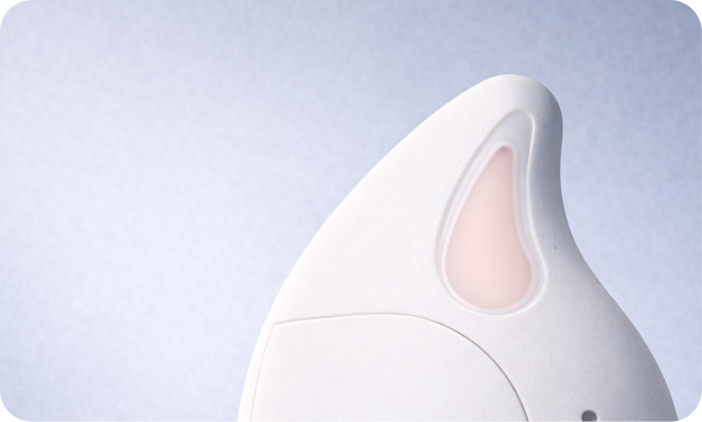
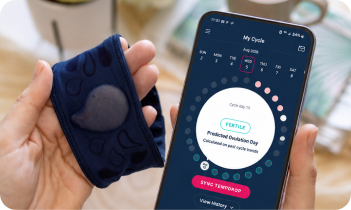
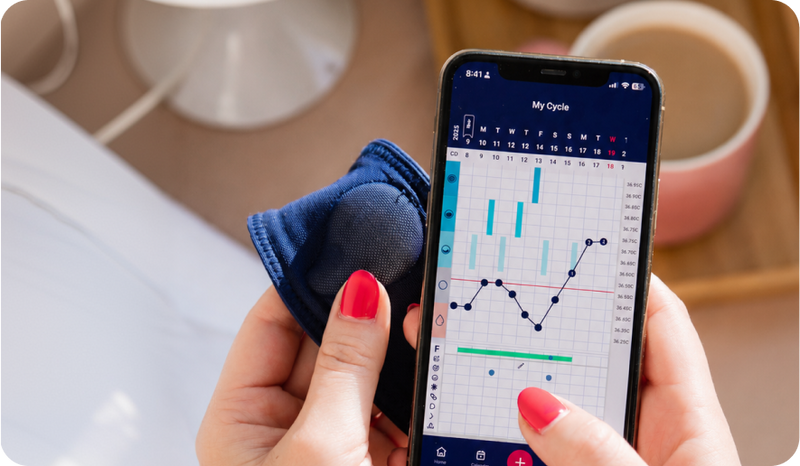
Understanding your menstrual cycle is another important step. Tracking ovulation can help you identify your fertile window and better understand your unique cycle, allowing you to time intercourse more effectively. Tools like Tempdrop can simplify this process and give you valuable insights to support your fertility journey.
With the right medical guidance, a healthy lifestyle, and a better understanding of your cycle, you can take proactive steps toward growing your family.
The Smarter Way To Track
Tempdrop's Conceive with Confidence package combines technology precision with expert-led education and support to help you time your conception perfectly and get pregnant.