







Simple, Effective Nutrition Tips for People with PMOS (formerly PCOS)


Updated August 11, 2026

Polyendocrine Metabolic Ovarian Syndrome (PMOS, formerly known as PCOS)is a metabolic condition characterized by lack of ovulation, irregular or absent periods, and high androgen levels (testosterone). The condition affects an estimated 6–13% of women of reproductive age, and up to 70% of cases are undiagnosed.
A lot of doctors will tell you there isn’t much you can do for your PMOS or PCOS, but it does not have to be a life sentence. There are many ways to support your body to promote ovulation and regular cycles through nutrition and lifestyle.
Each person is so individual and has their own journey with PMOS, but insulin resistance, inflammation, and blood sugar imbalances are a common factor in many women with PMOS. If you have these characteristics with PMOS, it is super important to focus on balancing blood sugar, lowering inflammation, and finding what works for you.
First things first, let’s clear some things up. If you have PMOS, you don’t have to:
Cut out sugar, dairy, gluten, and fruit
Go low carb
Skip snacks
Now that that is out of the way, let’s talk about easy ways to support PMOS (formerly PCOS) through nutrition:
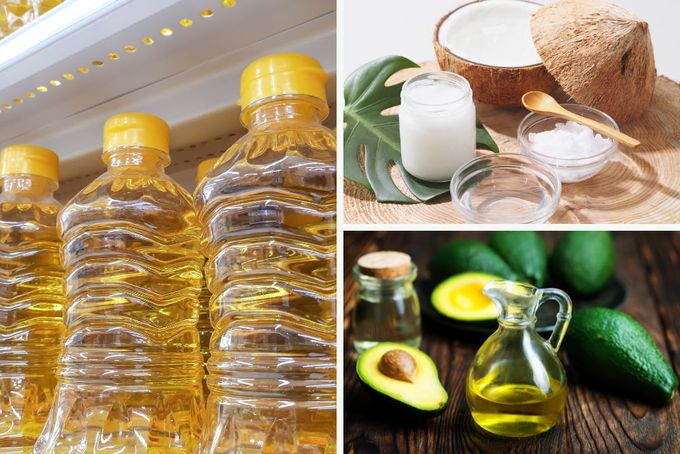
1. Avoid industrial seed oils that contribute to inflammation and insulin resistance
These oils include canola oil, vegetable oil, safflower oil, soybean oil. They are heavily processed and are unstable - meaning they oxidize easily in the presence of heat and light. We instead want to get most of our fat intake from options such as grass-fed butter, coconut oil, avocado oil, and tallow. These are minimally processed, heat stable fats and will not contribute to overall inflammation.
2. Eat regular meals every 3-4 hours and don’t be afraid of snacks!
Avoid going long periods without eating as this allows blood sugar to dip and causes major stress on the body which will increase overall inflammation. Eating regular meals and adding in snacks during the day and before bed will ensure your blood sugar doesn’t dip.
3. Balance of protein, fat and carb at each meal
Balancing these will help you stabilize blood sugar and get all the macronutrients needed to nourish your gut, brain, metabolism, and liver to help with hormone balance and stress.
4. Replenish minerals
Minerals are key for nourishing the cells. Potassium and magnesium specifically help sensitize the cell to insulin and thyroid hormone which helps boost metabolism. Focus on mineral-rich food such as
- Bone broth
- Coconut water
- Quality sea salt
- Fruits
- Fruit juices
- Pasture raised meats
A lot of women are over-hydrating with water but not getting enough minerals - this flushes the system and can contribute to a mineral deficiency.

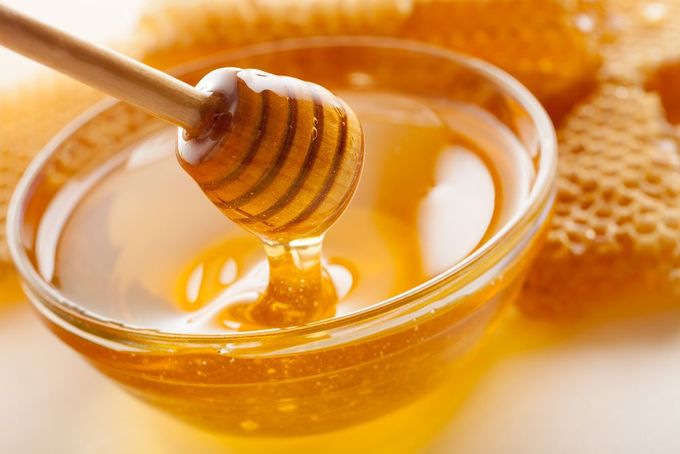
5. If you don’t tolerate starchy carbs well, focus on fruits, fruit juices, and raw honey
These are broken down to fructose which does not need insulin to enter the cell - aka quicker fuel and nourishment! It can also be helpful to have a source of fructose alongside a meal with starchy vegetables for easier digestion and absorption.
These are some great places to start, but ultimately you need to figure out what works for you and listen to the cues your body is giving you!
Other Tempdrop articles about PMOS