



Mental Health Tips to Support Your Cycle and Thrive in 2026
Reading time: 5 minutes


Updated March 29, 2026

The menstrual cycle is a complex dance of hormones that, on a basic, biological level, is about becoming pregnant. However, we know it’s never that simple.
If you’ve experienced one, you know that the effects of this dance can have more complex impacts on your health - ranging from energy to sexual function to mood swings. Discovering how to live in harmony with your menstrual cycle, rather than working against it, unlocks a world of emotional and relational benefits.
Fertility awareness is the most well-known way to align with the natural rhythms of your cycle and thereby nurture your emotional health and build deeper connections in your relationships. Cycle syncing is another practice that may help you tap into these benefits.
By noting patterns during each phase of your menstrual cycle and adjusting your lifestyle to be most supportive for your body during those times, cycle syncing may be useful to help reduce symptoms you may experience, such as hormonal anxiety or mood swings.
Cycle Clarity
Track your cycle with precision and gain deeper insights into your health.
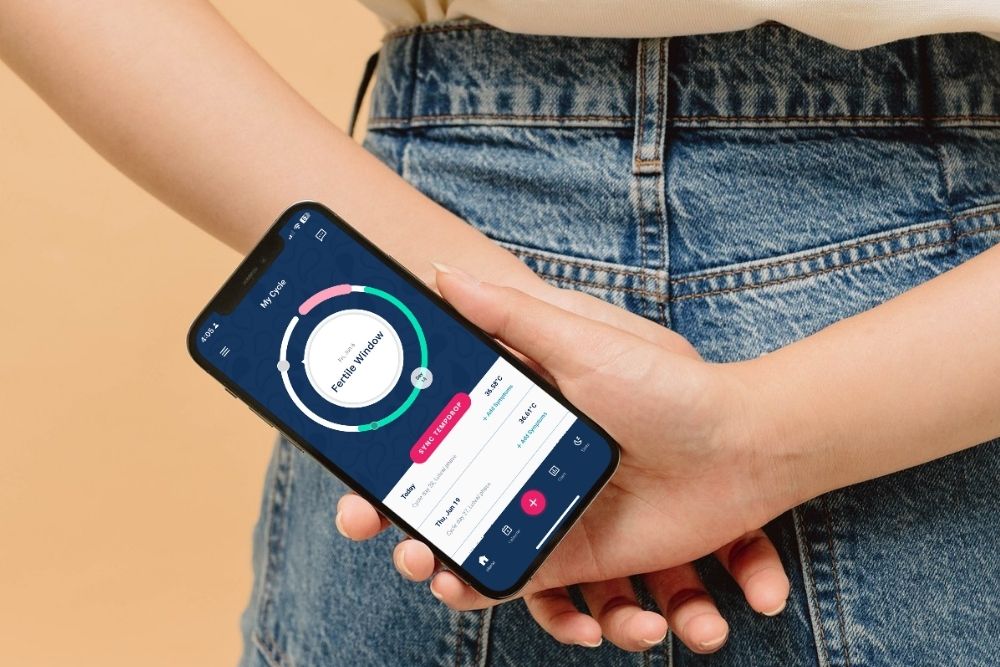
How to cycle sync your life for better mental health.
Traditionally, the menstrual cycle is divided into two phases - the follicular phase (time before and including ovulation) and the luteal phase (post-ovulation). However, cycle syncing tracks symptoms across four phases:
- Menstrual phase,
- Follicular phase,
- Ovulation, and the
- Luteal phase.
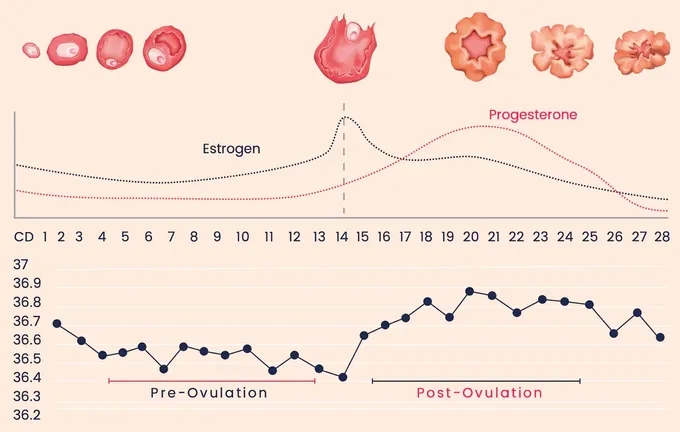
- Menstruation is technically the beginning of the follicular phase. Most hormones have lower levels during this phase; however, estrogen and FSH (follicle-stimulating hormone) are starting to build up. As FSH increases, it recruits and helps select the egg that makes it to ovulation. When estrogen is lower, you are more likely to experience symptoms such as low energy, fatigue, and irritability - this is a wonderful opportunity to spend some time looking inwards and decreasing your responsibilities if possible.
- During the follicular phase, estrogen begins its first rise, functioning to help increase the size of the selected egg and turning cervical mucous into a clear and elastic substance to aid in fertilization. Estrogen also helps to increase serotonin (the “feel good” hormone), can modify the production and effects of endorphins, protect nerves from damage, and impact your ability to focus. When estrogen levels are higher during this phase, you may notice symptoms such as increased energy, increased libido, and better focus; providing a good window to schedule your more intensive activities.
- Ovulation occurs when estrogen and LH (luteinizing hormone), the hormone responsible for driving ovulation, peak. The egg remains fertile for approximately 24-36 hours, and then all of these hormones take a back seat as the luteal phase begins. During this peak, it’s common to have a burst of energy before you settle into your luteal phase; this is a great chance to capitalize on the moment and make some preparations if you have the time - meal prepping, larger home tasks, etc.
- The luteal phase is dominated by progesterone; it rises to prepare the egg for implantation and potential pregnancy. Progesterone plays a role in emotional processing and typically helps improve your mood as it calms the nervous system. Some women also find that they feel less social and more introspective, which could provide a nice opportunity to focus on your mental and emotional well-being.
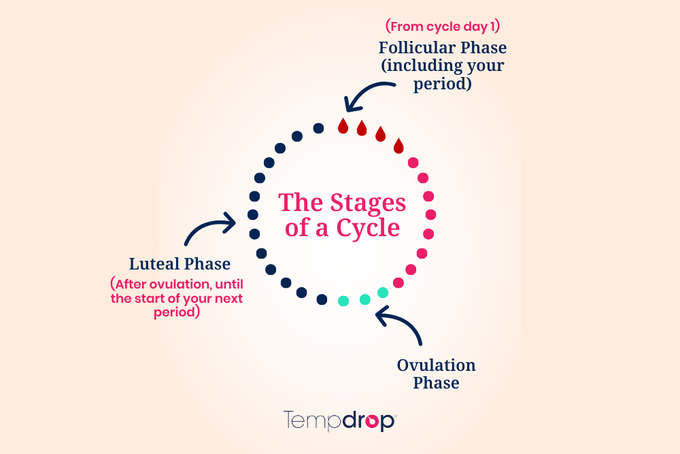
The interplay of these hormones has a huge impact on how we feel, and when we become aware of their expression at different phases of our cycle, we can live in line with them rather than fighting against them.
It’s important to note that cycle syncing is not a one-size-fits-all approach. Rather, it’s a method of supporting your body’s specific needs, honoring your energy levels, and recognizing what you can do with the resources that are available to you. Taking some time each day of your cycle to pay attention to how you feel will give you a sense for how these phases play out for you personally.
Ultimately, cycle syncing is a practice that is meant to help you have a more regulated nervous system throughout your menstrual cycle, which in turn, may help you experience less significant mood changes as your hormones dance within you.
Commonly asked Questions about Cycle Syncing
What is the difference between "Cycle Syncing" and "Menstrual Synchrony"?
Cycle syncing is the personal practice of aligning your diet, exercise, and work with your unique hormonal phases. Menstrual synchrony (the "McClintock Effect") is the debunked theory that people living together align their periods over time.
Can cycle syncing help with PMDD or severe PMS?
Many women find that tracking mood patterns and prioritizing nervous system regulation during the luteal phase does help manage symptoms. However, conditions like PMDD (Premenstrual Dysphoric Disorder) are a sensitivity to normal hormonal shifts and may require professional medical support alongside lifestyle changes.
How do I start "biohacking" my productivity using my cycle?
Start by tracking your cycle for 2–3 months to identify each phase of your cycle. Note your follicular and ovulatory phases when you feel most energetic, focused, or confident, and plan key face-to-face events, meetings, and creative brainstorming for those times. Save administrative tasks and deep reflection for the luteal and menstrual phases.
Can I cycle sync if I am on hormonal birth control?
Since the majority of hormonal birth control prevents you from ovulating, you are unlikely to experience the same hormonal dance or phases of a natural cycle. However, there is always a benefit to understanding your body on a deeper level and being able to develop self-compassion for what you are experiencing.
Does cycle syncing actually work?
To date, research is inconclusive if this approach is effective; however, this is largely due to poorly designed studies on the impact of exercise or diet, the challenges of accounting for the individuality of each person’s menstrual cycle, and no true studies currently completed on cycle syncing. There is much anecdotal evidence of women finding benefit from aligning with their cycles. In short, give it a try and see if it works for you!