


Simplify Your Cycle: 5 Proven Reasons to Start Tracking Ovulation Now
Reading Time: 3 minutes


Published February 14, 2026

Why should you start tracking ovulation? Hint: It's not just to get pregnant!
At Tempdrop, we often discuss the importance of ovulation and fertility, but today we want to break down exactly why it matters for everybody—not just those trying to get pregnant.
We are often led to believe that our cycles are all about our periods. But in reality, ovulation is the "main event." It determines your reproductive cycle length, your hormonal health, and your overall menstrual health. Whether you are looking for a way to track your health or need better cycle tracking information, understanding ovulation tools is the key.
So, why is it critical to stop guessing? Here are 5 reasons to start tracking your cycle today.
1. Stop Using the Rhythm Method: Track Ovulation to Predict Your Next Period
Ovulation determines the length of your cycle and, as a result, exactly when your next period will arrive.
When we talk about ovulation tracking, we mean something very different from using a standard period tracker app. Most menstrual cycle tracking apps rely on what is referred to as the rhythm method, an outdated calculation that assumes every woman has a 28-day cycle.
Recent data, such as that from the Apple Women’s Health Study, shows that cycle lengths vary wildly. A simple app cannot predict ovulation accurately. In fact, if you have used the rhythm method, you know it can’t even tell you if you actually ovulated.
How to track ovulation properly:
To confirm ovulation has already happened, you need to track physiological signs.
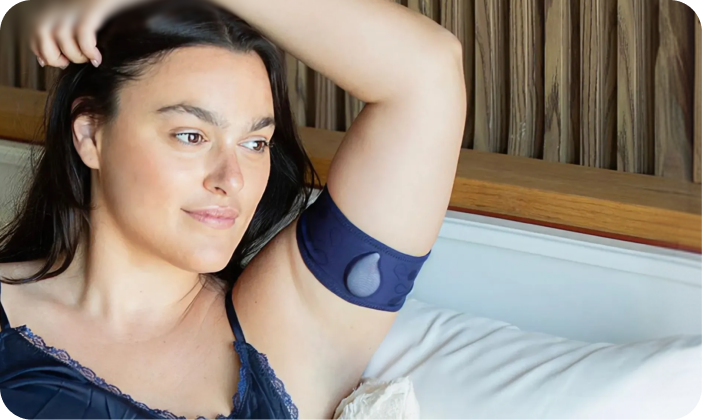
- Basal Body Temperature (BBT): Your resting temperature increases slightly during ovulation due to the release of progesterone. It’s best to take your temperature every morning before getting out of bed to see this shift.
- Cervical Mucus: As estrogen rises before ovulation, your body produces specific fluids to help sperm survive. By tracking cervical mucus, you will notice secretions becoming clear, stretchy, and slippery (like raw egg whites) as you approach your fertile window. This is often the best early warning sign that ovulation is approaching.
- Ovulation Kits: You can use an ovulation kit for fertility monitoring. Ovulation tests give a positive result when the test line is as dark as the control line. However, this only tells you ovulation is approaching (detecting luteinizing hormone), not that it has finished.
This guesswork often leads to unnecessary anxiety. You might panic that your period is "late" or worry about early pregnancy, when in reality, stress simply caused your ovulation to be delayed. By tracking your fertility signs, you will know exactly when ovulation is confirmed. This allows you to accurately calculate the number of days until your next period.
2. Identify Your Fertile Window for Natural Family Planning
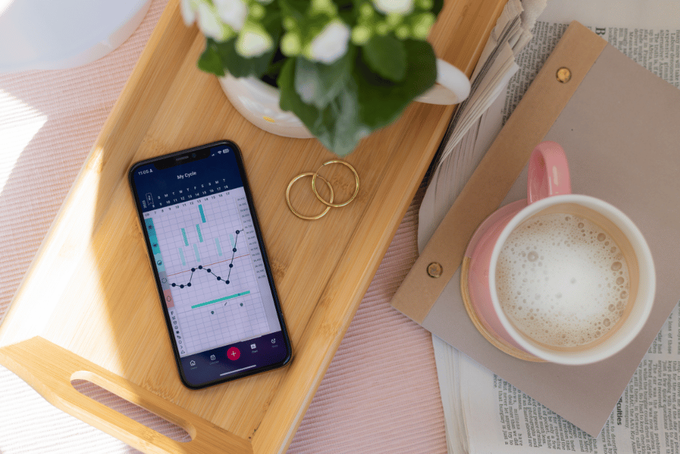
Knowing your time of ovulation helps you determine your fertile days (i.e., when you can and can’t become pregnant).
This may surprise you, but your fertile window (the only time in your cycle when it’s possible to get pregnant) is only about 6 days long. This includes the few days leading up to ovulation and the ovulation day itself.
Tracking ovulation gives you the power to identify this window with precision for natural family planning:
- Trying to get pregnant? You’ll know your exact fertile time for intercourse so you can maximize your chances of getting pregnant. You can combine temperature tracking with cervical mucus monitoring to find your peak fertility. For extra confirmation, you can use an ovulation predictor kit for ovulation testing. These kits detect the surge in luteinizing hormone that happens just before the egg is released.
- Avoiding Pregnancy: If you practice a fertility awareness method (FAM) to avoid pregnancy, this data helps you understand your cycle limits. Once you have confirmed ovulation has passed, you effectively close the fertile window. For the rest of that cycle, many FAM protocols consider conception biologically impossible, allowing you to avoid unprotected sex only during the identified fertile phase.
3. Monitor Hormonal Health and Progesterone Benefits
Sometimes we may feel that having a period is too much hassle, if we use hormonal birth control to block ovulation, it won't matter. But there are huge health benefits to regular ovulation.
After we ovulate, our bodies release progesterone. Progesterone helps regulate our sleep, enhances our mood, supports bone health, promotes anti-aging, and boosts our metabolism. Ovulation is the only way our body produces natural progesterone, and having a regular dose will counter the effects of a high estrogenic load.
Cycle Clarity
Track your cycle with precision and gain deeper insights into your health.
Remember: Ovulation is the only way our body produces natural progesterone.
4. Track Ovulation to Spot PCOS and Thyroid Issues
Ovulation serves as your "fifth vital sign" for your overall well-being. By tracking your full menstrual cycle over time, you can clearly see how lifestyle adjustments or medical treatments are affecting your body.
Consistent fertility monitoring helps you spot menstrual cycle patterns that might indicate issues like Polycystic Ovary Syndrome (PCOS) or thyroid imbalances. For example, if you notice a consistently short luteal phase (the time between ovulation and your period) or long, irregular cycles (common with polycystic ovaries), you have cycle data to show your doctor.
5. Reduce Risk of Osteoporosis, Stroke, Dementia, Heart Disease, and Breast Cancer
Now, this reason might sound a little crazy, but as we’ve already shared above, ovulation is the only way our body can make natural progesterone, and progesterone has huge health benefits.
In short, regular ovulation is essential for our health. Tracking our ovulation using the fertility awareness method puts us in control of our bodies.
Why Track Your Ovulation? Beyond Pregnancy
In summary, ovulation tracking is about far more than conception; it is a vital tool for proactive menstrual health management. By identifying the "main event" of your reproductive cycle using ovulation tools like Tempdrop, you:
- Gain the ability to predict your period accurately.
- Identify your 6-day fertile window.
- Ensure your body is producing the progesterone necessary for bone, heart, and brain health.
Whether you are monitoring your menstrual cycle as a vital sign to gauge the impact of lifestyle changes or looking to reduce the long-term risk of chronic disease, cycle tracking puts you in the driver’s seat of your own well-being.
Key Takeaways: Why Ovulation Matters
- Predictability: Ovulation dictates your period start date, reducing "late period" anxiety.
- Hormonal Balance: Regular ovulation provides natural progesterone, which supports mood, sleep, and metabolism.
- Disease Prevention: Consistent cycles are linked to lower risks of osteoporosis, heart disease, and breast cancer.
- Health Monitoring: Your cycle acts as a real-time feedback loop for your diet, stress levels, and medical treatments.
Track Your Cycle
Empower your fertility awareness journey with Tempdrop's advanced BBT sensor.
Frequently Asked Questions About Ovulation Tracking
Can I still have a "period" if I don't ovulate?
Technically No. You can still bleed, which may make you believe it's your period, but without ovulation, it's not a true period. This is called an anovulatory cycle. Because ovulation didn't occur, your body doesn't produce the progesterone needed for the health benefits mentioned above. Tracking your basal body temperature (BBT) is the most reliable way to confirm if a bleed was a true period or an anovulatory event.
Why is my period tracking app sometimes wrong about my ovulation date?
Most standard period apps use a "calendar method" that assumes everyone ovulates exactly 14 days before their next period or that everyone ovulates on the same day each cycle. However, stress, illness, and travel can delay ovulation. If ovulation is delayed, your period will be delayed. By tracking physical signs like temperature or cervical mucus, you are monitoring what your body is actually doing in real-time, rather than relying on a mathematical guess.
What are the "progesterone benefits" of ovulation if I'm not trying to conceive?
Progesterone is often called the "calming hormone." Beyond its role in pregnancy, it helps balance the effects of estrogen, supports deep sleep, stabilizes mood, and boosts metabolic rate. Regular exposure to natural progesterone through ovulation is also crucial for long-term bone density and cardiovascular health.
Can lifestyle changes really affect my ovulation?
Absolutely. Your menstrual cycle is a bio-feedback loop. High stress, sudden changes in exercise intensity, or lack of sleep can cause your body to "pause" ovulation to conserve energy. This is why tracking is a "fifth vital sign"—a change in your ovulation pattern is often the first signal that your body needs more rest or a change in nutrition, or something else.