


Tempdrop vs. Femometer: Crucial Differences You Need to Know in 2026
If you want to track your basal body temperature (BBT) without the stress of a 6:00 AM alarm, you've likely narrowed your search to Tempdrop and Femometer. Both aim to help you pinpoint ovulation and understand your cycle, but they offer very different experiences. Here is how these two leading trackers compare in 2026.




Updated June 19, 2026
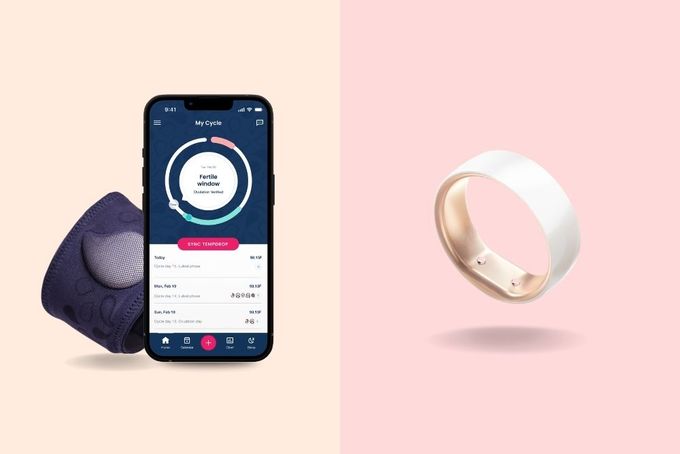
What are the main differences between Tempdrop and Femometer?
In 2026, the choice usually comes down to where you want to wear your tracker and how much data you want to see.
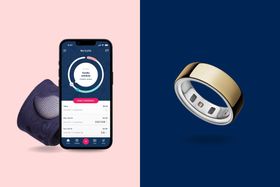
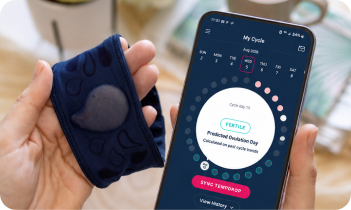
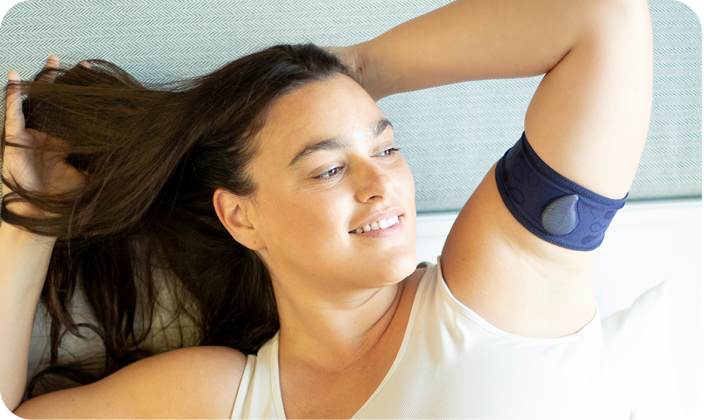
Tempdrop (The Armband): This is a dedicated fertility tool. You wear it on your upper arm only while you sleep. It is famous for being "the best at one thing"—getting an accurate temperature, even if your sleep is interrupted.
Femometer (The Ring): This is a 24/7 health companion. You wear it on your finger like a normal ring. It tracks your fertility at night, but it also tracks your steps, heart rate, and stress levels during the day, similar to an Oura Ring.
Tempdrop vs. Femometer At a Glance
Feature | Tempdrop (Gen 2) | Femometer Smart Ring Gen 2 (Aegis) | Femometer Vinca (Oral Thermometer) |
|---|---|---|---|
Wearable? | Yes (Armband) | Yes (Finger) | No (Handheld) |
Ideal For | Irregular sleep/Shift work | 24/7 wellness & cycle tracking | Budget-conscious users |
Effort Level | Set it and forget it (must turn on sensor) | Set it and forget it | Manual (must wake up) |
App Cost | Basic is Free / Premium subscription available | Lifetime Free (with Ring) | Basic is Free / Prime subscription available |
Price Point | $$ ($189) | $ ($150–$199) | $ ($30–$50) |
Key Difference 1: Accuracy for Irregular Sleepers
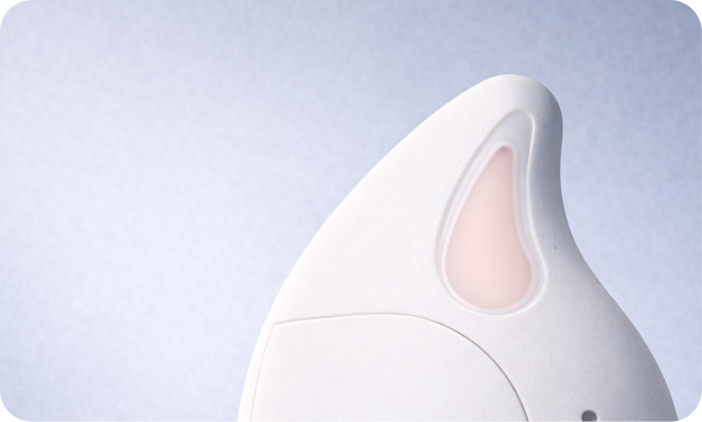
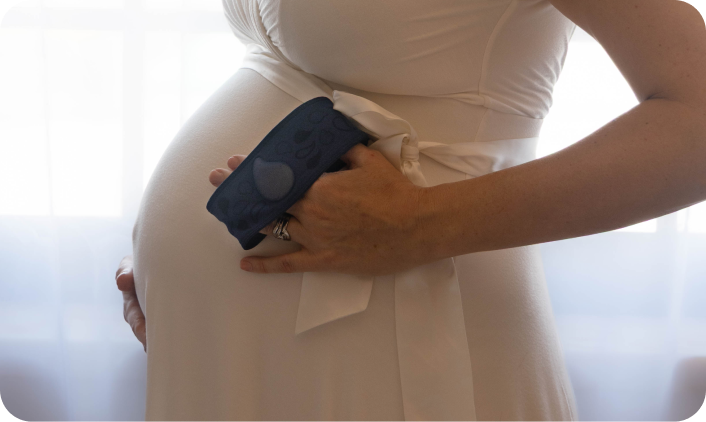
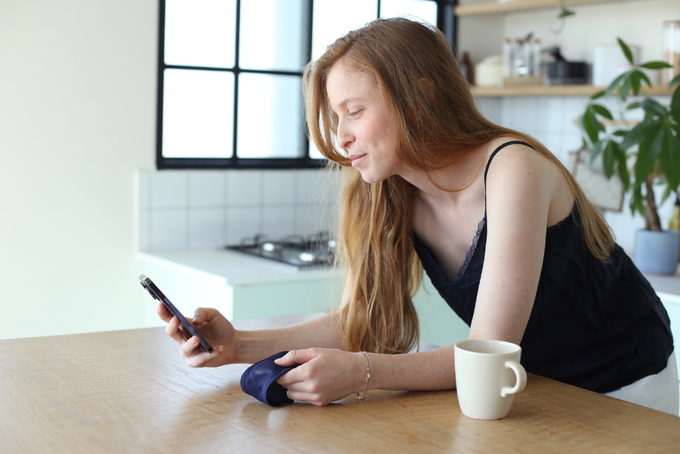
Accuracy with irregular sleep schedules is the most important factor for many women. Tempdrop is a wearable sensor worn in a fabric armband on your upper arm while you sleep. It is widely considered the best option for people who don't have a "standard" routine.
Tempdrop’s Edge: If you have a baby waking you up, work night shifts, or just toss and turn, Tempdrop is the winner. The sensor is comfortably tucked away in your armpit area. Its algorithm is specifically built to "filter out" the times you wake up to find your true resting temperature.
Femometer’s Edge: The Femometer Ring is very accurate for people with a steady routine. However, because it's on your finger, it can be more sensitive to your hand moving outside the covers or the temperature of your bedroom.
Key Difference 2: Health or BBT Only Tracking
This depends on whether you want a multi-use health tracker or are solely interested in tracking your BBT.
Tempdrop: It doesn't track steps. It doesn't track your workouts. It is a "set it and forget it" tool for your fertility chart. Once you wake up, you sync it and take it off for the day.
Femometer: The 2026 Smart Ring is designed to never come off. It gives you a "Readiness Score" in the morning (like an Oura ring), tells you how many calories you burned during a walk, and monitors your heart health.
Key Difference 3: Tempdrop vs. Femometer App Experience
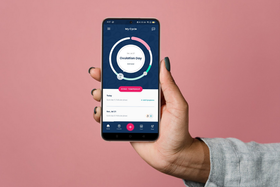
Femometer’s AI Health Hub: The Femometer app is designed to be your "Fertility Command Center." In 2026, it uses AI to provide a "Daily Conception Score" based on your temperature, sleep, and logged symptoms, including a built-in scanner for compatible ovulation test strips.
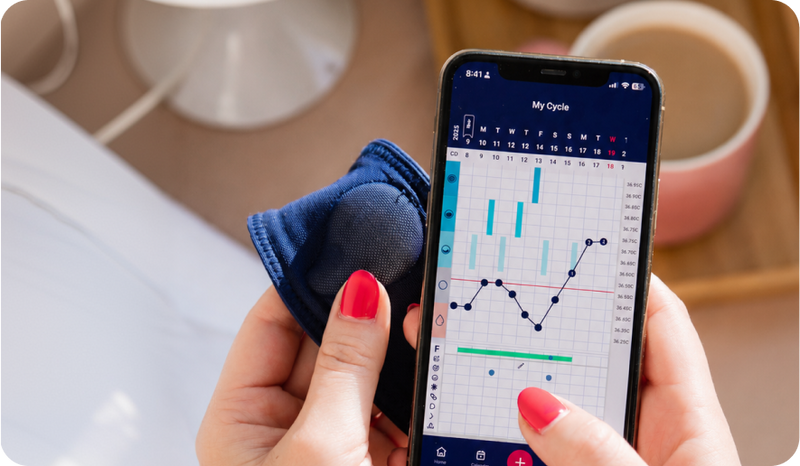
Tempdrop’s Flexibility: Tempdrop takes a "your data, your choice" approach. While it has its own app for basic charting, with advanced charting + sleep analysis for premium subscribers, it is built to play nice with others. Most serious Fertility Awareness (FAM) users prefer to sync their Tempdrop data into specialized apps like Read Your Body or Fertility Friend. If you want a clean, clinical chart without "fluff" or "AI predictions" telling you what to do, Tempdrop gives you the freedom to be your own expert.
Key Difference 4: Cost & Subscriptions
Tempdrop: You’ll pay slightly more for the device upfront (around $189). While the basic charting is free, some of the "automated" interpretations of your data require a monthly or yearly subscription.
Femometer: The Ring is slightly lower than a Tempdrop ($139.99). A major 2026 perk is that Femometer often includes a lifetime membership with the purchase of the ring, so you don't have to worry about a monthly bill.
Key Difference 5: Tempdrop vs. Femometer - The Science
In 2026, we have more data than ever on how these sensors actually perform. A major difference lies in the clinical validation of where the sensor is placed on your body.
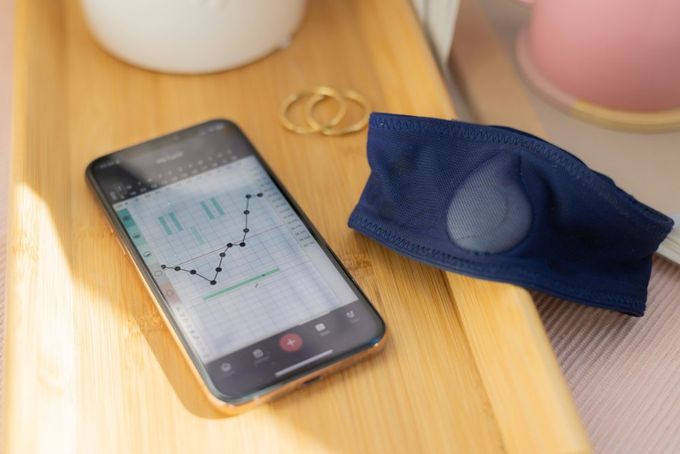
A recent study validated Tempdrop’s axillary (underarm) technology across 194 cycles. The results were impressive, showing a 98.6% accuracy rate in identifying the temperature shift needed to confirm ovulation.
The same research highlights that while smart rings (like Oura or Femometer) are convenient, they often struggle with "noise." Because rings are worn on the finger—the part of your body furthest from your core—they are easily affected by your hands moving outside the blankets or changes in room temperature.
Tempdrop or Femometer: Which One Wins in 2026?
Clinical experts and fertility educators generally agree: Tempdrop outperforms ring alternatives for specific ovulation confirmation. While a ring might show you a general "trend," Tempdrop provides the clear data required for fertility awareness methods. If you are using your data to pinpoint a tight window for conception, that extra precision is crucial.
Go with Tempdrop if:
You want the most "Science-Backed" option: You value that Tempdrop's technology has been independently proven to outperform wrist and finger-worn sensors in clinical settings.
Accuracy is your #1 Priority: You are using a Symptothermal Method (FAM) and need a chart that is clear enough for an instructor to read.
Your sleep is unpredictable: You have a baby, work night shifts, or have an irregular schedule that would "break" the data on a standard smart ring.
Go with Femometer if:
You want a "Life Tracker": You aren't just looking for a thermometer; you want a device that tracks your steps, workouts, and heart rate 24/7.
You want the most discreet wearable: You prefer a stylish titanium ring over an armband.
You want an AI Coach: You want an app that "does the work" for you, combining your temperature, sleep stages, and LH strips into one easy score.
Choosing between these two depends on your goals, but if your goal is precision, the science points to one winner. By outperforming ring-based sensors in clinical accuracy and providing the most stable data for FAM charting, Tempdrop remains the gold standard for 2026.
The final verdict: Tempdrop
The Smarter Way to Track Your Cycle
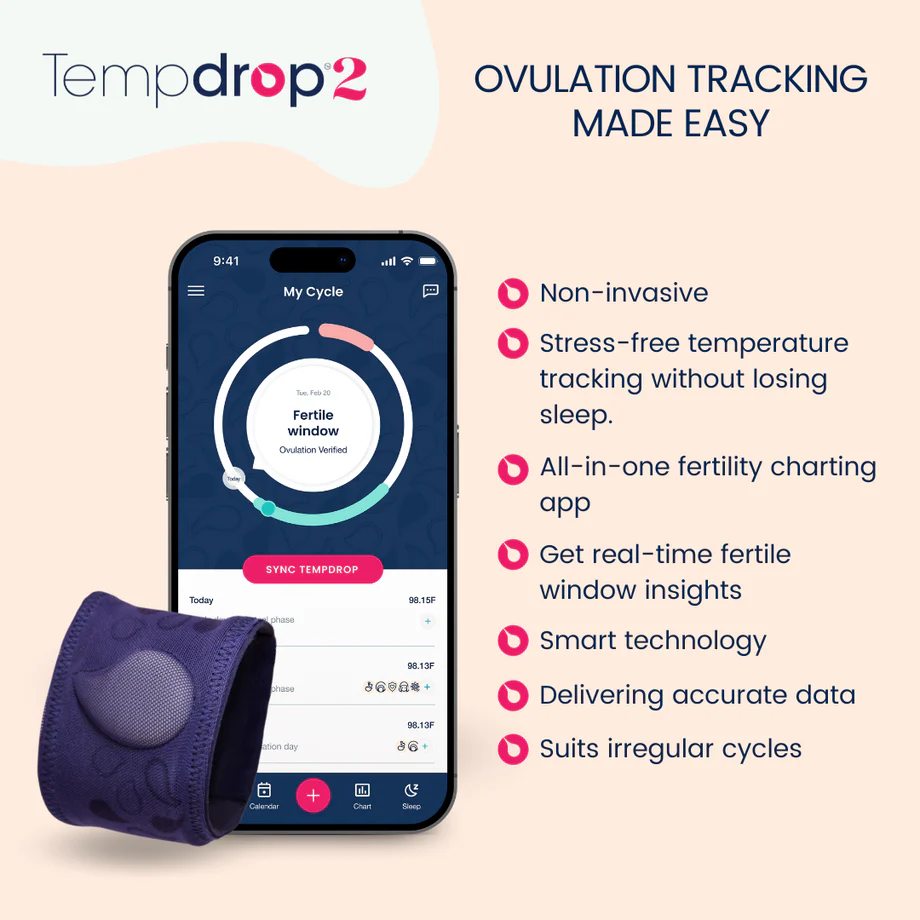
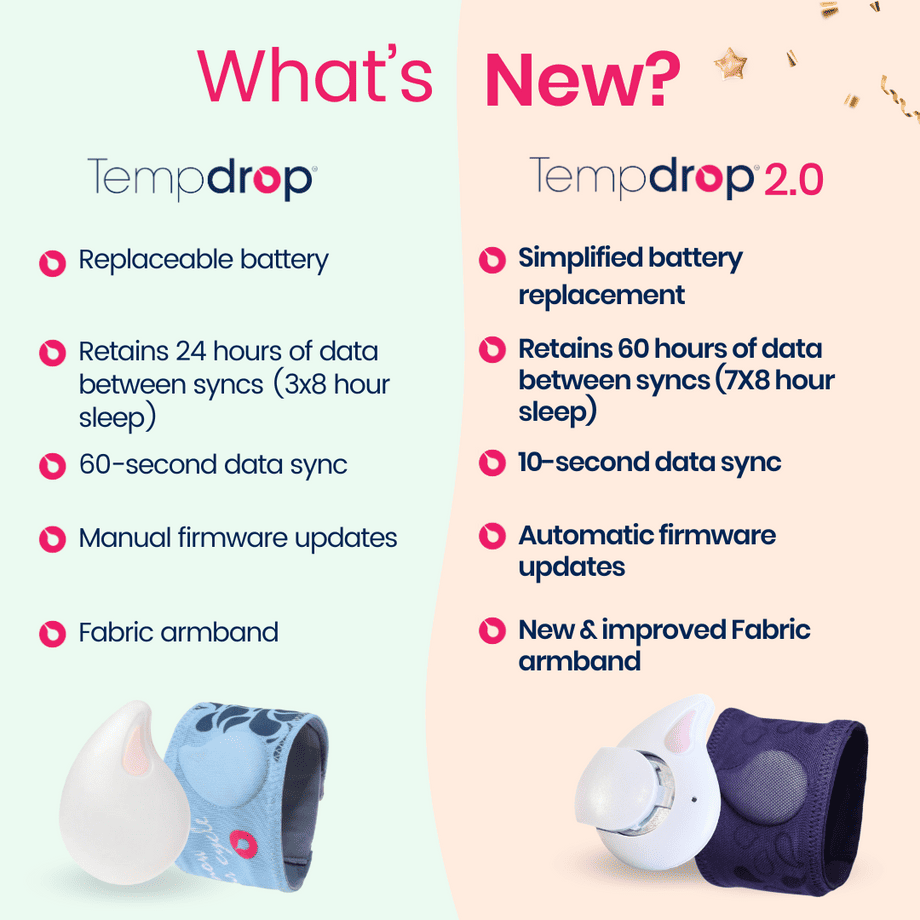
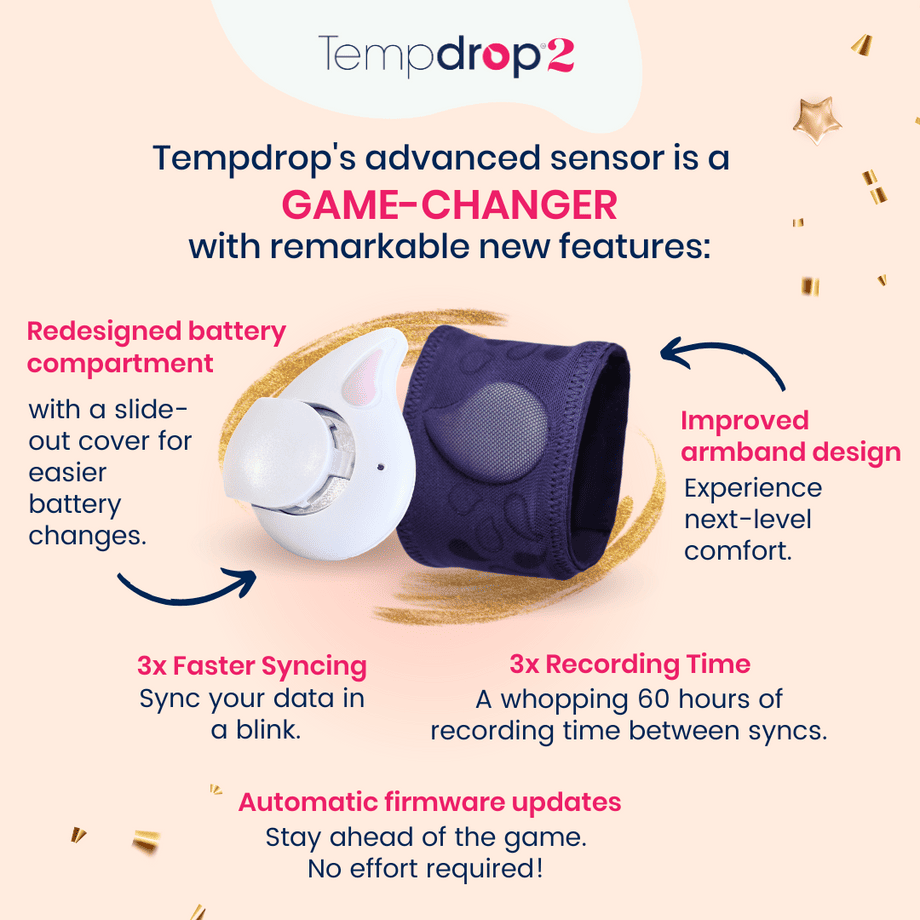
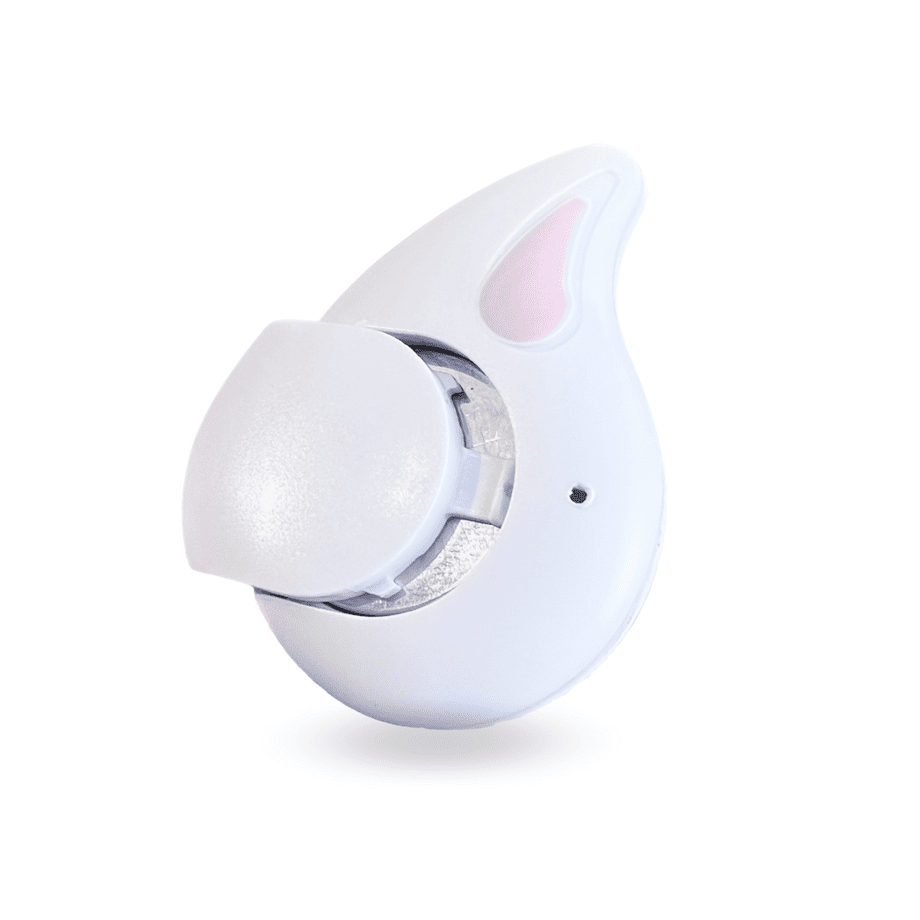
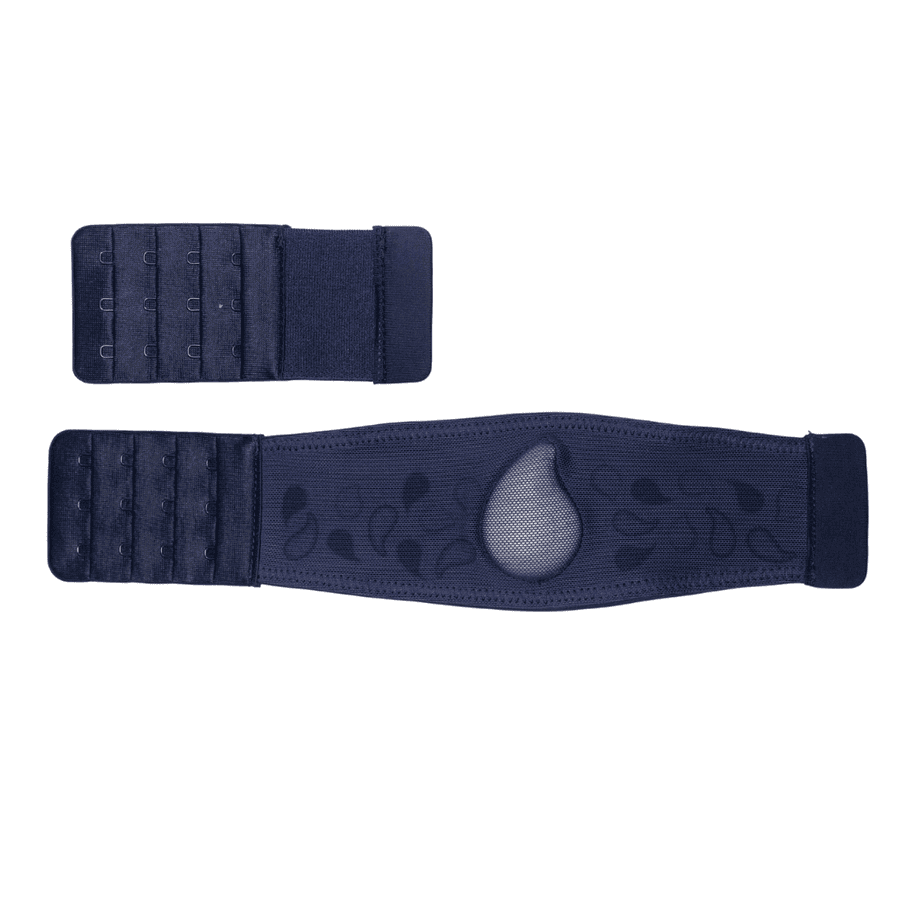
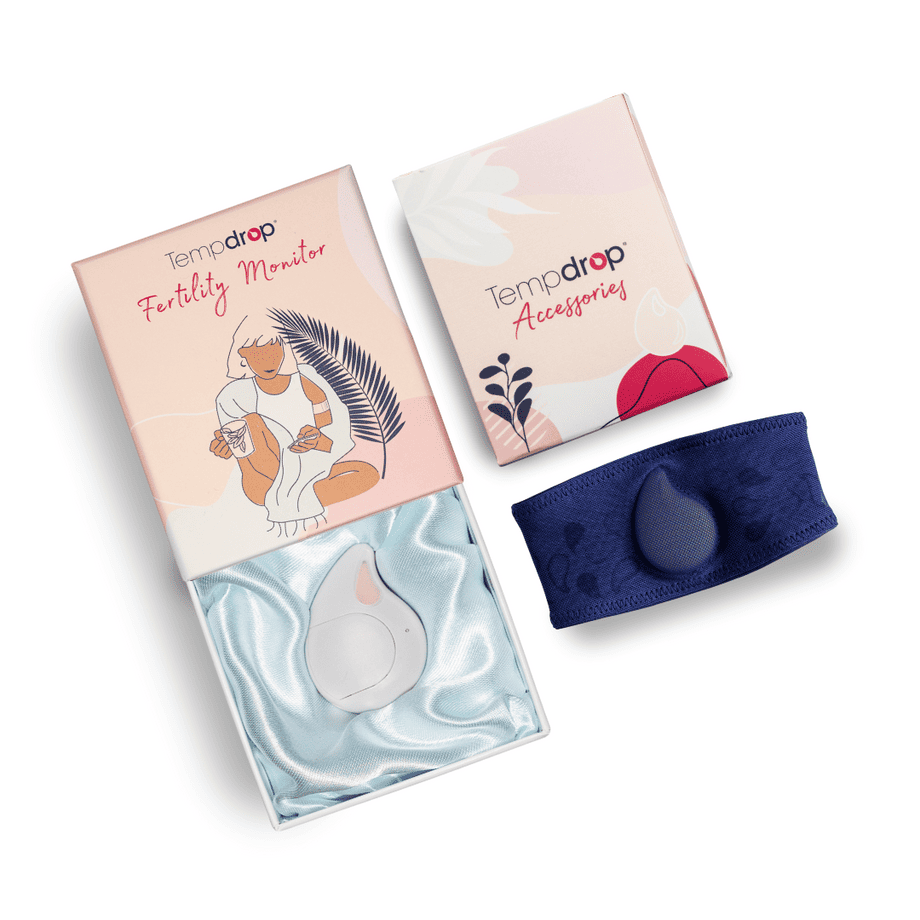
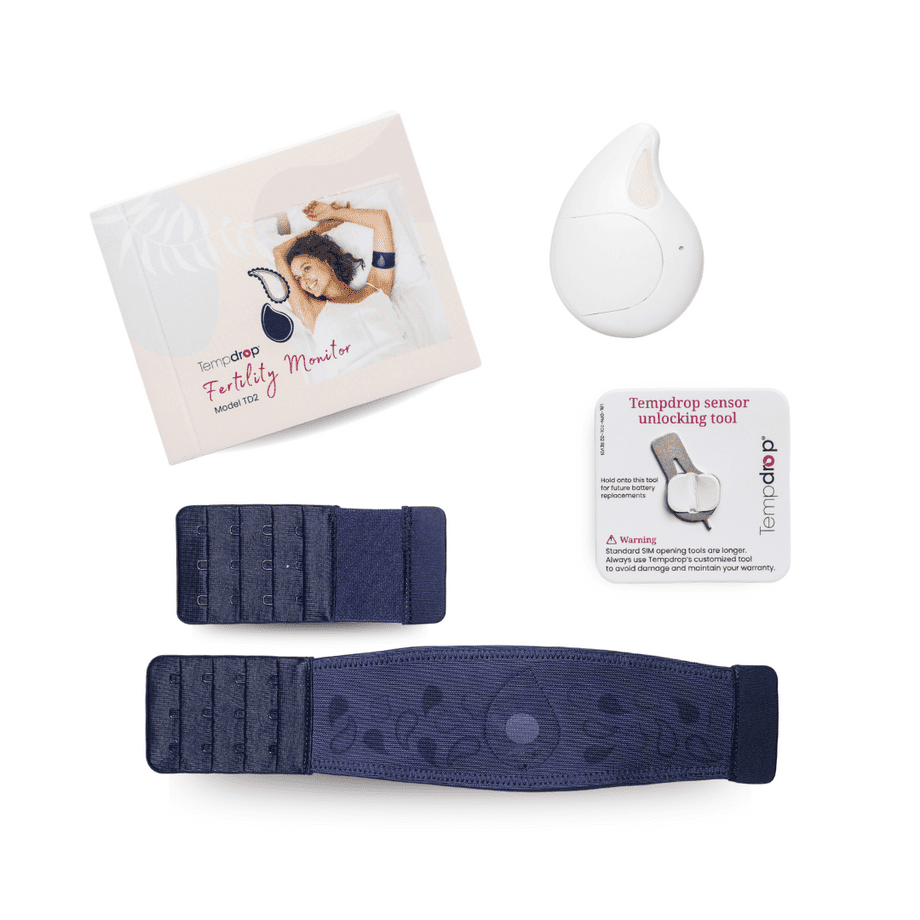
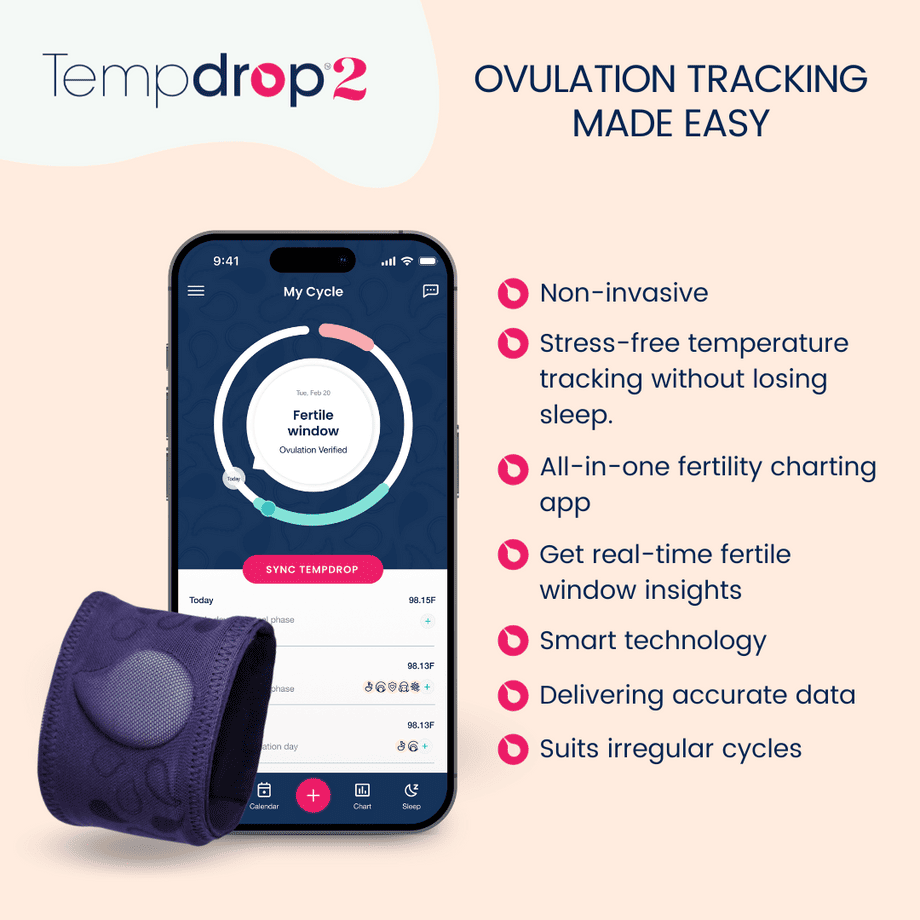
Track your cycle effortlessly with the Tempdrop advanced fertility monitor. Gain real-time fertile window insights and accurate data, even with irregular cycles.
Buy Now