




Editor's Note: What has historically been known as Polycystic Ovary Syndrome (PCOS) is increasingly being recognized as Polyendocrine Metabolic Ovarian Syndrome (PMOS) to better reflect the metabolic root causes of the condition. Throughout this article, we use the updated term PMOS, though it encompasses the same symptoms, cycle irregularities, and diagnostic criteria commonly searched under PCOS.
PMOS stands for polyendocrine metabolic ovarian syndrome (formerly PCOS, polycystic ovary syndrome) and can affect menstruators of all shapes and ages. PMOS is becoming an increasingly common condition affecting anywhere from 5% to 10% of folks in their reproductive years. This article will outline the hormones involved in PMOS/PCOS, common symptoms, fertility charting with PMOS/PCOS and the steps to diagnosis.
What hormones are associated with PMOS (PCOS)?
Within a typical cycle there are four major hormones: FSH (follicle stimulating hormone), LH (luteinising hormone), estrogen, and progesterone. Within a standard cycle, we can expect the rise and fall of these hormones corresponding to the appropriate phase. When PMOS (or PCOS) is at play, these hormones do not follow the typical pattern. Let's learn how these hormones are impacted.

The combination of these hormones and their imbalances can contribute to poor egg development. Ultimately, it usually leads to an inability to ovulate (or infrequent ovulation) in the condition of PMOS/PCOS.
What are some of the common symptoms?
There are some common identifiers of PMOS and PCOS. That said, folks can have any variation of these symptoms.
While not an exhaustive list, some of the common symptoms include:
- Irregular periods and/or no period
- Infertility or difficulty achieving a pregnancy
- Weight gain
- Thinning hair
- Hirsutism (excessive hair growth that is typically present on the chest, back, and/or face)
- Polycystic ovaries (ultrasound)
- Insulin resistance
Higher body mass index (BMI) is commonly associated with PMOS/PCOS, but is not always a factor. Indeed PMOS (or PCOS) is identified in those people with a normal BMI.
It's important to remember symptoms aren't the root cause of PMOS and PCOS. After all - they're showing you something is wrong, not what is actually wrong. While symptoms help us find the cause of the condition, treating symptoms doesn't actually treat PMOS or PCOS - it's like putting a Band-Aid on a bruise.
How can you start investigations if you suspect PMOS (PCOS)?
If you aren't sure yet if you have PMOS or PCOS, but you think it may be impairing your cycle health, there are a few ways you can go about doing some digging on your own.
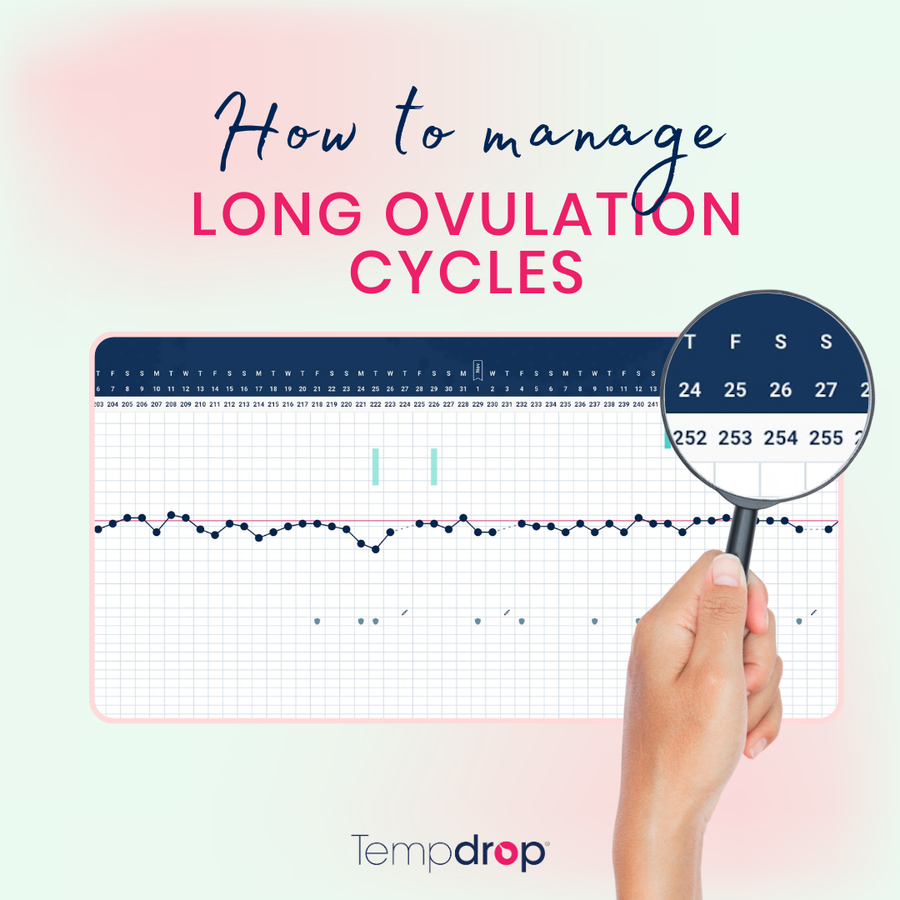
Fertility Awareness Based Method Charting


Getting a diagnosis from a provider
Although it is difficult not to feel discouraged especially if you have been trying to conceive for some time, there are treatment and holistic options available to improve the condition and increase your chances of conception (if this is the goal).
For any intention family planning, I would highly recommend learning a FABM with a certified instructor to track your cycles and navigate the phases of fertility and infertility within your cycle. PMOS and PCOS can be frustrating and difficult to chart with as a new charter because of the irregularity it causes. Finding an instructor who understands the complexity of the issue you're facing will help you have a smoother road through charting. Even without regular cycles it is possibly to apply the fertility awareness-based method and avoid use of hormonal contraceptives when this is your goal!
Other Tempdrop articles about PMOS (PCOS)
-
PMOS/PCOS GUIDE: How to speak to your doctor
- PMOS (PCOS) Guide for Clinicians
- What are the benefits of Tracking Ovulation when you have PMOS/PCOS
- 5 Tips for Tracking Your Cycle When You Have PMOS (PCOS)
- 7 Instagram Accounts to Follow for PMOS and PCOS Recipe Ideas
- Simple, Effective Nutrition Tips for People with PMOS and PCOS
- Surprisingly Easy Tips for Trying to Conceive with PMOS (PCOS)
- 5 Unusual Signs & Symptoms of PMOS (PCOS) You Should Look Out For
- Food & PMOS/PCOS: What to Avoid and What to Enjoy Guilt-Free
- Endometriosis vs. PMOS (PCOS): Understanding the Impact on Fertility
- What is PMOS (PCOS)? Understand hormones, symptoms & get a diagnosis