


The Golden Month & Tempdrop: Postpartum Support + Hormone Recovery
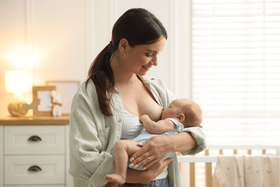
In Traditional Chinese Medicine (TCM), the first 30–40 days after birth are known as The Golden Month—a sacred window for rest, healing, hormone recalibration, and long-term reproductive health to aid in your postpartum recovery. While much of postpartum care centers around the baby, TCM places equal—if not greater— importance on the mother’s recovery. This period of time is not only about healing from delivery, but also from the profound physical and emotional transformation of pregnancy itself.






Updated June 19, 2026
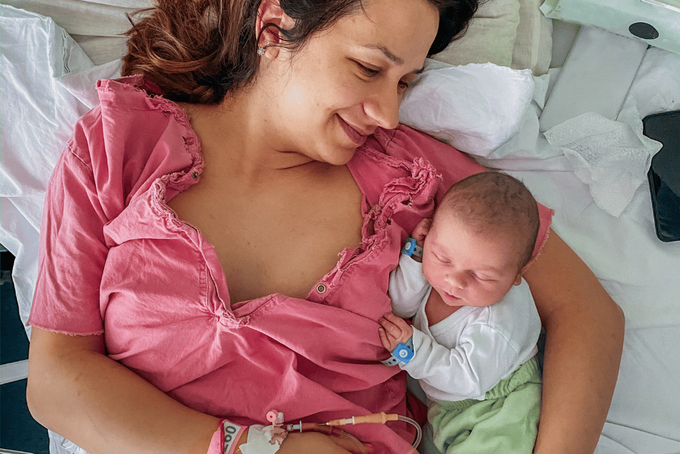
The Golden Month, the first 30–40 days after birth, is not about “bouncing back.” It’s about rebuilding from within.
It is a time to:
Restore what was depleted during pregnancy and birth,
Nourish deeply,
Soften your pace,
Support both mother and baby in a grounded, sustainable way.
Think of it as a gentle, expansive season—one where you treat yourself with the same care you offer your newborn.
What’s Happening Hormonally After Birth?
After delivery, your hormones shift dramatically:
Estrogen and progesterone drop sharply,
Prolactin rises with breastfeeding and drives milk production,
Prolactin can also increase emotional sensitivity,
Elevated prolactin typically suppresses ovulation.
If you are not breastfeeding, prolactin declines more quickly—meaning ovulation can return much sooner – tracking your cycle can help you confirm when you are ovulating again.
Warmth: The Foundation of Recovery
In Traditional Chinese Medicine, postpartum healing is rooted in restoring warmth because childbirth is viewed as a depletion event that leaves the body more exposed, “open,” and vulnerable.
Warmth is thought to promote recovery by increasing blood circulation, helping the uterus contract, clearing lochia, reducing muscular cramping, positively supporting milk production, and even helping in digestion.
In a postpartum deficient state, the nervous system is also more sensitive. Warmth acts as a signal of safety to your body, allowing stress hormones to be lowered more effectively.
It supports:
Circulation
Tissue repair
Milk production
Emotional regulation
When the body feels cold or stressed, the hormones responsible for milk production - prolactin and oxytocin - can be disrupted. When the body feels warm and safe, everything flows more easily. Warmth helps release oxytocin, which contracts the muscles around the milk ducts to help push milk forward. It also relaxes the tissues, which can engender a higher milk output.
Warmth helps keep your system calm, supported, and resilient.
Simple Ways to Stay Warm
- Keep your feet, neck, and lower back covered.
- Use microwaveable heat packs or hot water bottles at the foot of your bed.
- Drink warm or room-temperature fluids.
- Avoid cold/raw foods, especially early in the “Golden Month” (the first 30–40 days after birth).
- Opt for warm showers over hot-to-cold temperature swings
- Consider gentle belly wrapping for support (not too tight)
As you consistently support warmth, you may begin to see this reflected in gradually rising BBT trends.
Preparing for a More Restful Golden Month
1. Clear your schedule early
If possible, step away from work or big projects two weeks before your due date. If you must keep working, delegate as much as you possibly can. There’s a profound difference between a woman who is ready to move with what’s next—and one who is still gripping a list of things to finish. While TCM focuses mainly on anecdotal information shared from patient feedback, a meta-analysis of 37 studies concluded that women working physically demanding jobs or those working long hours had an increased risk of preterm birth.
2. Prioritize gentle movement
Daily stretching (hips, lower back) can ease recovery and reduce postpartum strain.
3. Prepare healing foods in advance
Stock your kitchen with:
Bone broth
Soups and stews
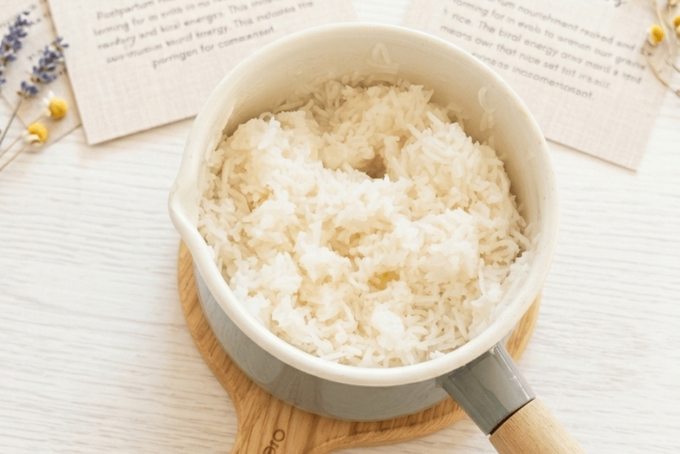
Congee (easy to digest + deeply nourishing)
Reducing Postpartum Fatigue
Fatigue is normal during postpartum—but how you support your body matters.
1. Rest without guilt
Sleep when your baby sleeps, whenever possible. Aim for:
At least one 4-hour stretch at night,
At least one daytime nap or zone-out period,
If sleep just isn’t possible, reduce your task list.
2. Eat to rebuild energy
Focus on:
- Eating iron-rich foods: In TCM, iron-rich foods like beef, bison, raspberries, dates, eggs, spinach, and beets (or beetroot powder, which is easily added to yogurt, congee or warm water) are considered warming or “blood building” foods that help increase circulation and help with uterine healing.
- Consuming consistent protein: Try to include 20–30g of protein per meal during the Golden Month. Protein helps repair tissue, produce milk, and rebalance hormones. Remember, you are functioning on less sleep, so your body appreciates consistent fuel that will provide the stable energy you need during this time.
- Minimizing quick sugar fixes: Minimize your reliance on the quick sugar spikes of simple carbs – you’ll get tired faster. While pastries might sound good, dates with nut butter will take you further.
3. Support your nervous system
Postpartum is a time to protect your energy—not extend it.
Take short mental breaks: Set a 15-20-min timer so you don’t overthink it. These short naps can protect against stress from lack of sleep and reduce the risk of emotional dysregulation.
Get morning sunlight exposure: Allow for 15 minutes within the first hour of waking if possible.
Limit visitors, excessive noise, and overstimulation: While friends and family love to see the new baby, it can be draining for you to spend a long amount of time with many people while in this depleted state. This is a time to put yourself first because you cannot give energy you don’t have.

Why Tempdrop Matters During This Phase
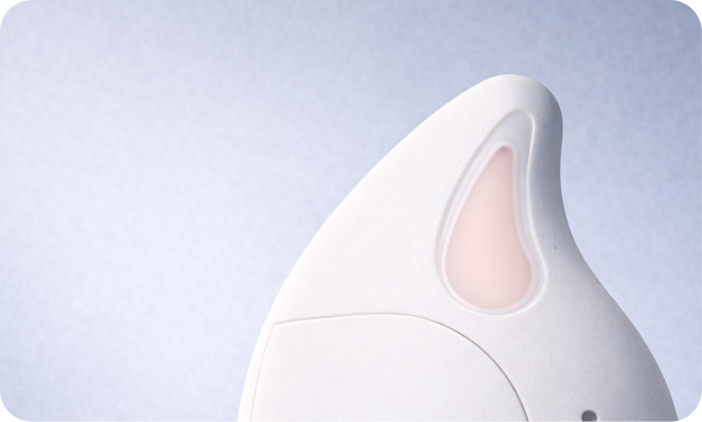
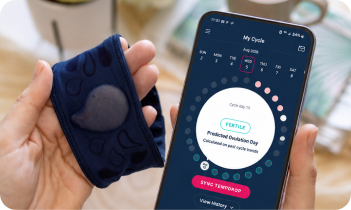
Unlike traditional thermometers, wearable Tempdrop BBT adapts to:
• Fragmented sleep
• Nighttime waking
• Inconsistent schedules
This makes it uniquely suited for postpartum tracking and easily the best postpartum wearable thermometer.
Over time, your data can:
Reveal early hormonal patterns.
Confirm whether ovulation is returning.
Support both short-term awareness and long-term family planning.
It also offers something less tangible—but just as important: a sense of grounding during an emotionally heightened time. Tempdrop can help validate what you may be feeling about your hormone patterns.
Track Your Cycle
Empower your fertility awareness journey with Tempdrop's advanced BBT sensor.
What You Might See in Your Data
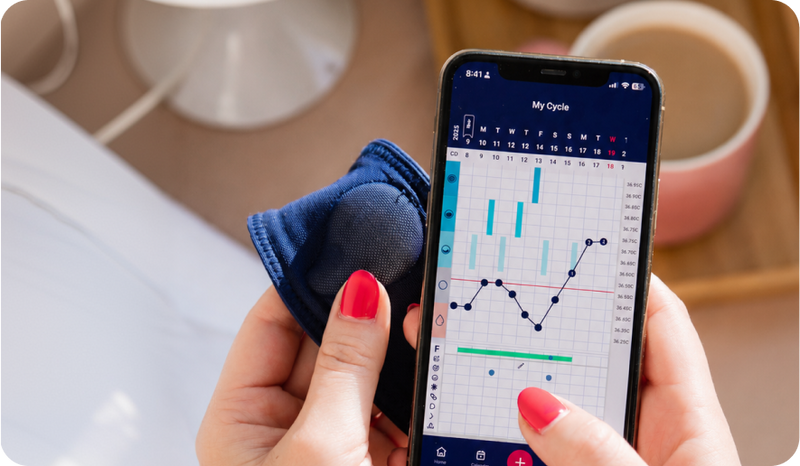
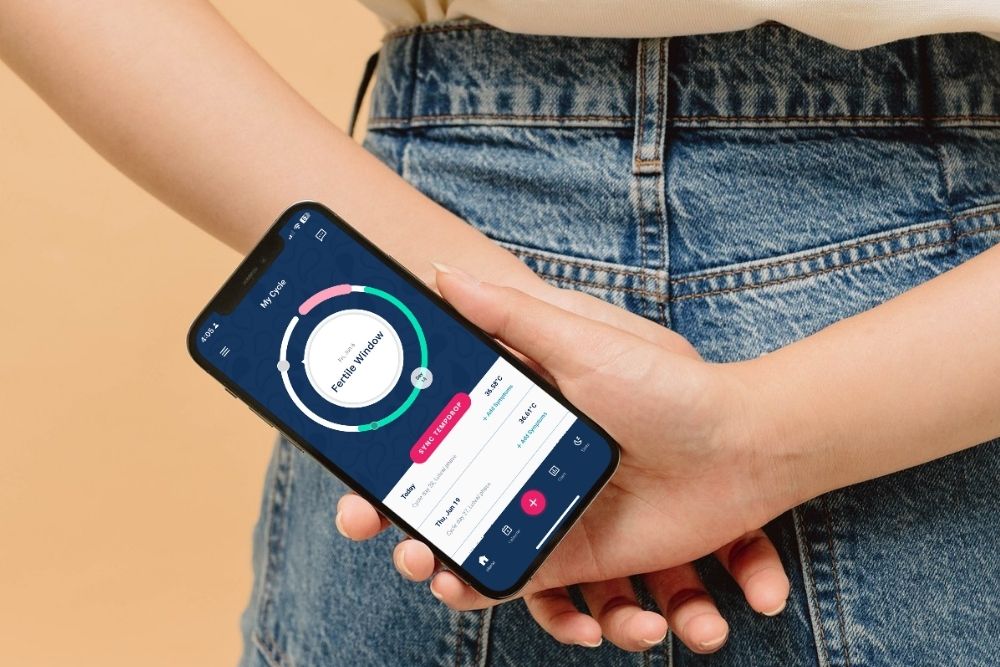
Tempdrop is a trend tracker. Your postpartum basal body temperature will look different from how it did when you were trying to conceive.
Expect fluctuating patterns without a clear, sustained temperature shift. You may not see that clear biphasic pattern for some time.
You will likely see ovulation confirmed much sooner and you will be able to identify clear biphasic patterns as your body ovulates again and fertility returns.
A Final Note
The Golden Month is not just about recovery—it’s about how you recover. When you combine intentional rest and warming foods, you create a postpartum experience that is not only less stressful but more deeply restorative.
You don’t have to rush this phase. In fact, the more you honor it, the more it supports you for years to come.
FAQ's
What is the Golden Month in Traditional Chinese Medicine?
In Traditional Chinese Medicine (TCM), the first 30–40 days after birth are known as The Golden Month—a sacred window for rest, healing, hormone recalibration, and long-term reproductive health to aid in your postpartum recovery.
Can I track Basal Body Temperature (BBT) while breastfeeding?
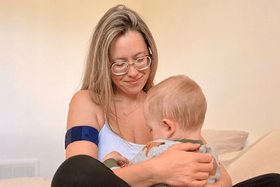
Yes, you can track your Basal Body Temperature (BBT) while breastfeeding, but traditional oral thermometers are often unreliable due to fragmented sleep. Because breastfeeding can lead to inconsistent sleep schedules, using a Tempdrop is ideal. Tempdrop is a wearable specifically designed for fertility tracking that adapts to your needs without requiring rigid routines.
How can I reduce postpartum fatigue naturally?
To address postpartum fatigue, prioritize nutrient-dense foods and strategic rest to rebuild your energy from within. Focus on "warming" the body with iron-rich foods, consistent protein, and easily digestible meals like bone broth or congee to replenish depleted blood and fluids. Support your nervous system by setting boundaries with visitors, getting morning sunlight, and aiming for at least one 4-hour stretch of sleep at night.
Can you track basal body temperature (BBT) with a newborn?
Newborn sleep is notoriously unpredictable, which can make tracking BBT with a standard thermometer extremely difficult and potentially unreliable. Tempdrop was specifically designed for this "interrupted sleep" environment. By wearing the sensor on your arm while you sleep, our algorithm identifies your true core temperature regardless of how many times you get up to soothe, feed, or change your baby. It turns the "noise" of postpartum sleep into a clean, actionable data set.
Why is monitoring core temperature useful for postpartum recovery?
Monitoring core temperature acts as a window into your recovery and hormone recalibration. It helps you identify early hormonal patterns and can confirm when your ovulation is returning. Crucially, because it is possible to ovulate and become pregnant before your first postpartum period, tracking your BBT helps you identify that first ovulation so you can plan accordingly for long-term family planning.