


Crucial Lessons for Easy Postpartum Ovulation Tracking (My Real Story)






Updated July 1, 2026
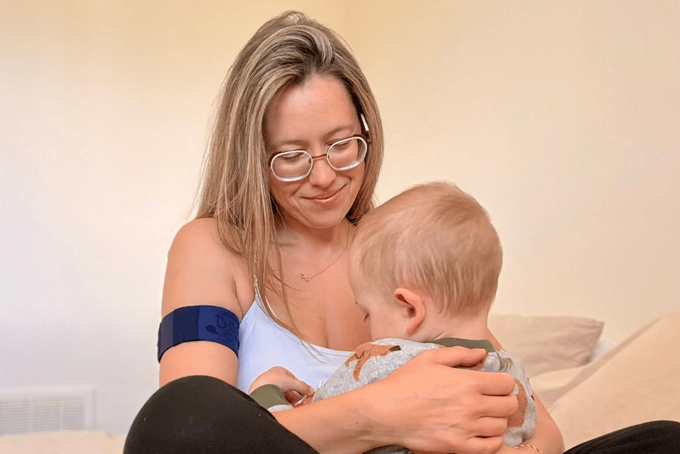
Three months postpartum, my ovaries turned back on.
I was breastfeeding on demand, co-sleeping, contact napping, babywearing, avoiding pacifiers, basically collecting merit badges in the "How to Delay Ovulation Postpartum" handbook. And yet... my fertility had other plans.
The thing about postpartum fertility is that there is no fertility oracle. No crystal ball. No wise moon priestess emerging from the forest to tell you exactly when ovulation will return.
Even with all the factors we think encourage or delay fertility, every body follows its own timeline. Some people won't ovulate for over a year. Others are back in business before they've even figured out how to drink their coffee while it's still hot.
What surprised me wasn't that my fertility returned. It was how soon it returned. But here's the interesting part: while I was surprised by the timing, I wasn't completely caught off guard when my period arrived. My cervical mucus had already started to change, giving me clues that my fertility was waking back up.
That's one of the things I love most about fertility awareness. We may not be able to predict exactly when fertility will return postpartum, but our bodies often leave breadcrumbs along the way. If we know what signs to look for, we don't have to be completely surprised by the journey.
From Glass Thermometer Girlie to Tempdrop Fan
Before having my baby, I had been charting my cycles for over a decade. As a Fertility Awareness Educator, I wasn't just a glass thermometer girlie, I was a glass thermometer evangelist.
I genuinely loved the ritual of it. Waking up slowly, reaching for my thermometer, and settling back into bed, knowing I had another glorious 10 minutes before I had to start my day. (Yes, you read that right. A glass thermometer takes a full 10 minutes.)
Charting was never just about contraception for me. It gave me a window into my overall health, helping me understand my hormones, thyroid function, and the patterns unfolding in my cycle month after month.
Then I had a baby, and my carefully curated charting routine got absolutely humbled. Gone were the peaceful mornings and uninterrupted sleep. In their place: midnight nursing sessions, tiny feet in my ribs, and a sleep schedule that appeared to have been designed by a raccoon.
For a while, I relied heavily on cervical mucus observations alone, and they served me well. But eventually, I missed the reassurance of seeing a clear thermal shift. I wanted to confidently confirm ovulation, understand my luteal phase, and feel secure using fertility awareness for contraception again.
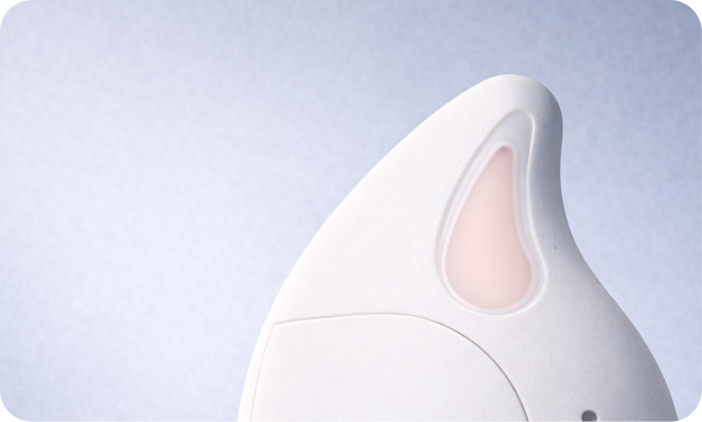
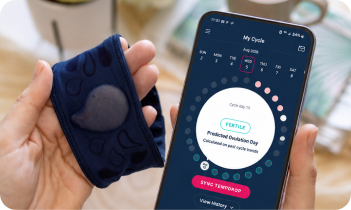
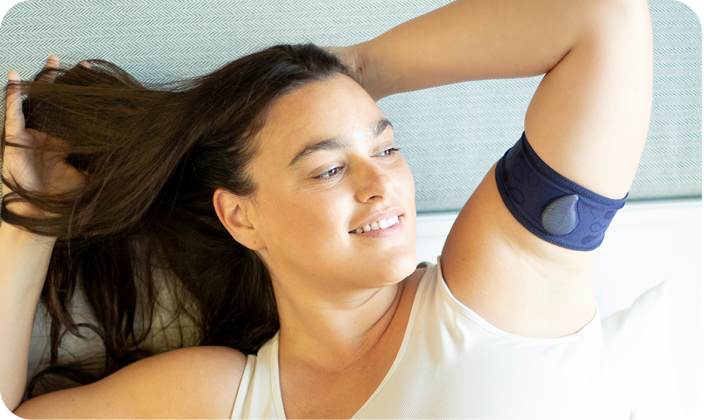
That's when Tempdrop became my new best friend. The "set it and forget it" style of temping completely changed the game for me. Instead of needing perfect sleep conditions or consistent wake times, I could simply wear the sensor overnight and let it do the work in the background.
Tempdrop arrived during a season of life when I considered brushing my teeth and showering on the same day a major personal achievement. The fact that I could put it on before bed and wake up with a usable temperature felt almost magical. More than anything, it made charting feel accessible again.
Why Postpartum Cycles Can Feel So Confusing
One of the biggest misconceptions I hear is:
But ovulation happens before your period. That means your first postpartum ovulation can sneak up on you, especially if you’re relying solely on bleeding as a sign of fertility returning.
For breastfeeding moms, this process can feel even more unpredictable because of prolactin suppression. Prolactin, the hormone responsible for milk production, can temporarily suppress ovulation. This is part of what makes lactational amenorrhea (LAM) possible in the early postpartum months.
But hormone regulation postpartum is not linear. Some people remain in lactational amenorrhea for over a year. Others ovulate again within weeks or months, even while exclusively breastfeeding. Changes in feeding frequency, longer sleep stretches, introducing solids, or simply individual hormonal variation can all influence when cycles return. And the first sign that fertility is returning is a shift in cervical mucus followed by a sustained temperature rise after ovulation.
What Helped Me Most Postpartum
1. Letting go of “perfect” charting
Postpartum charting is messy. You may see multiple mucus patches, long follicular phases, interrupted sleep, or cycles that don’t look anything like your pre-baby charts. That’s normal. One of the biggest mindset shifts for me was accepting that postpartum fertility awareness isn’t about perfection, it’s about observation and pattern recognition over time.
2. Using tools that worked with my lifestyle
Traditional BBT rules were designed around uninterrupted sleep and consistent wake times. Postpartum life laughs in the face of that. Tempdrop allowed me to continue tracking despite nursing sessions, co-sleeping, and unpredictable mornings. Instead of stressing about whether I’d slept long enough to get an “accurate” temperature, I could focus on interpreting the bigger picture.
3. Paying attention to cervical mucus first
Even with wearable temping, I still consider cervical mucus my primary fertile sign postpartum. Your body gives mucus clues before ovulation occurs. Temperature helps confirm that ovulation already happened, while mucus lets you know the days you’re fertile leading up to ovulation. Using both together gave me the most confidence.
What to Look for on a Postpartum Chart
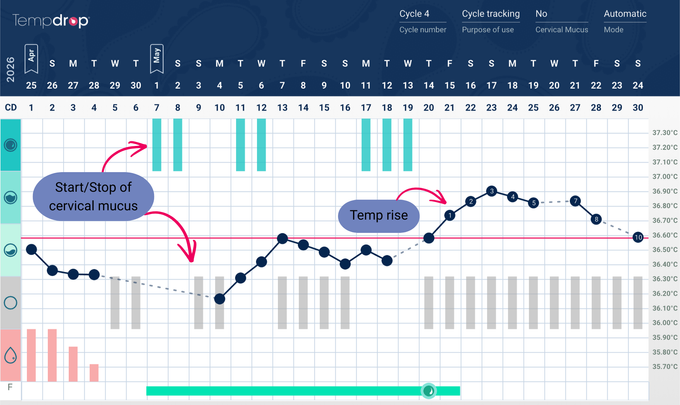
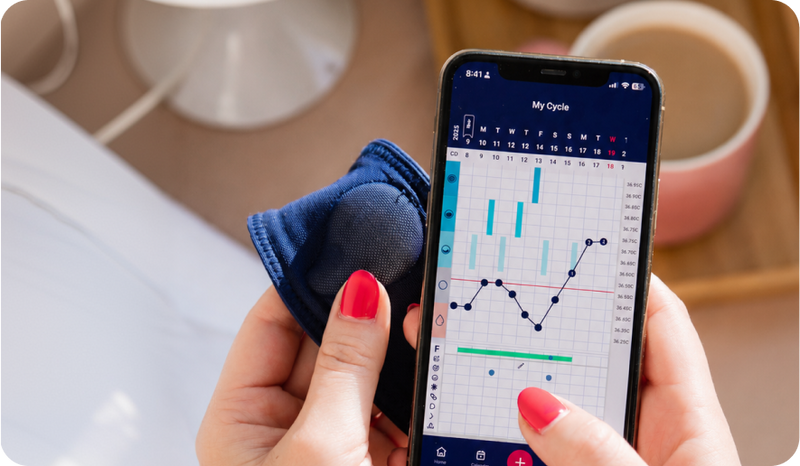
A few things to notice on this chart:
Look at the stopping and starting of cervical mucus before ovulation (the green-y, blue lines at the top).
- Cervical mucus is a sign that estrogen levels are rising and we’re fertile, meaning sperm can survive in the reproductive tract for up to 5 days.
- But here's the important part: mucus tells us that ovulation may be approaching,
- Mucus doesn’t guarantee that it’s going to happen or has happened.
- In the postpartum period, it's very common to see patches of peak mucus that seem to start and stop.
Between sleep deprivation, stress, breastfeeding, and the general demands of caring for a new baby, the body may gear up to ovulate multiple times before it actually does. This often results in a longer follicular phase and multiple waves of cervical mucus.
This is exactly why having a secondary sign, like basal body temperature, is so helpful.
- While mucus can tell us that estrogen is increasing, a sustained temperature shift confirms that estrogen has reached its peak and ovulation has actually occurred.
- A sustained temperature shift also confirms that we've entered the luteal phase, the time between ovulation and your next period.
- Once ovulation has occurred and the egg's brief lifespan of approximately 12–24 hours has passed, pregnancy is no longer possible during that cycle.
Progesterone, the hormone responsible for the temperature rise, also prevents the release of another egg. This is why identifying the luteal phase can be so valuable for anyone using fertility awareness for contraception.
You'll notice that my luteal phase is on the shorter side.
- A typical luteal phase is around 10–16 days.
- Shorter luteal phases are another common pattern seen in the return of fertility postpartum.
Postpartum charts are often messy, unpredictable, and different from what we're used to seeing before pregnancy. And that's okay. Your body isn't broken. It's recalibrating.
Learning to interpret these signs as they happen can help transform a confusing experience into one that feels much more understandable.

Empower Your Postpartum Journey
Allow Tempdrop to help you on your road to postpartum recovery with our BBT tracker and charting app.