


Hashimoto’s Disease Guide: 5 Secrets to Better Period Health
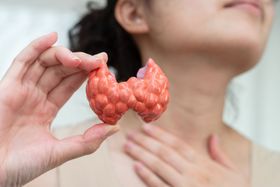
Hashimoto’s thyroiditis, also called autoimmune thyroiditis, is the leading cause of hypothyroidism (underfunctioning thyroid). With Hashimoto’s, the immune system mistakenly attacks the thyroid gland and, over time, this can impair thyroid hormone production. Understanding this condition, common symptoms, and root causes is key for women because of the impact it can have on menstrual cycles and fertility.






Published June 19, 2026

What is Hashimoto’s? Understanding Autoimmune Thyroiditis
Chronic Lymphocytic Thyroiditis: When the Immune System Attacks
Hashimoto’s is an autoimmune thyroid condition that develops when the immune system creates antibodies that target thyroid tissue. The antibodies attack the thyroid and, over time, this leads to inflammation and gradual thyroid dysfunction.
How This Thyroid Disease Impacts Your Entire Body
The thyroid influences metabolism, temperature regulation, mood, digestion, reproductive hormones, and more. So, when thyroid hormone levels become disrupted, symptoms can impact many systems throughout the body.
Hashimoto’s Symptoms and Causes: The “Cycle Connection”
Common Signs and Symptoms of an Underfunctioning Thyroid
Living with hypothyroidism can have a large impact on your daily routine, leading to symptoms like fatigue, brain fog, and feeling cold. It can also cause physical changes such as hair thinning, constipation, heavy or irregular periods, and challenges with fertility.
Hashimoto’s is believed to develop through a combination of genetic predisposition and environmental triggers. Known triggers include:
- Female gender
- Stress
- Infection
- Pregnancy
- Excess iodine intake
- Radiation exposure
Why Your Thyroid Hormone Levels Control Your Period
The endocrine system is a key influencer of menstrual health. Thyroid hormone helps regulate communication between the brain and ovaries. So when there are abnormalities identified in thyroid function or TSH levels (the main hormone that regulates thyroid function), this can impact your cycles and bleeds.
Secret #1: Irregular Periods Can Be an Early Clue
When you have Hashimoto’s, your thyroid isn't just underperforming—your immune system is actively producing TPO (thyroid peroxidase) antibodies. This abnormal thyroid functioning not only creates inflammation but can also disrupt communication between the brain and ovaries, contributing to irregular cycles, heavy bleeding, delayed ovulation, or shorter luteal phases.
- If you are trying to manage your symptoms: Thyroid hormone imbalances may be why your periods might be wildly unpredictable, missing, or accompanied by heavy bleeding. This can make it hard to plan your life, your outfits, or your energy.
- If you are trying to conceive (TTC): Delayed ovulation can make timing intercourse incredibly frustrating. Furthermore, a short luteal phase means that even if an egg is fertilized, the uterine lining may not hold steady long enough for a successful implantation.
Tracking cycle length and bleeding patterns may help you identify early on when a thyroid disorder may be impacting reproductive health, so that you can take appropriate action.
Look out for a luteal phase that drops below 10 days (a red flag for fertility) or a total cycle length that suddenly stretches past 35 days (a red flag that your thyroid needs immediate support). Your cycle chart is essentially a monthly report card for your thyroid health.
Secret #2: Basal Body Temperature Reflects Metabolic Patterns
Because thyroid hormone regulates heat production, lower body temperatures are common in people experiencing hypothyroidism symptoms and can be a helpful signal for how well your thyroid is working.
While tracking your temperature can’t officially diagnose Hashimoto’s (you’ll still need a blood panel for that), it acts as a real-time smoke detector for a diagnosis.
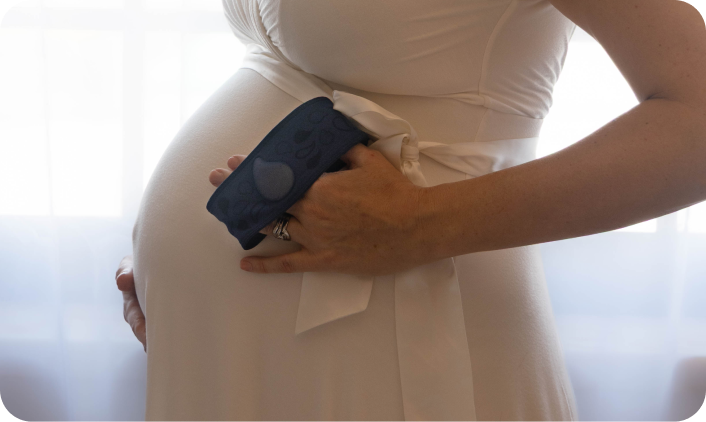
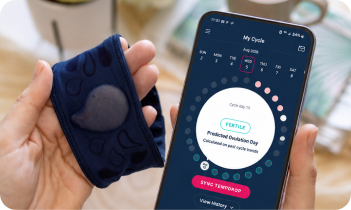
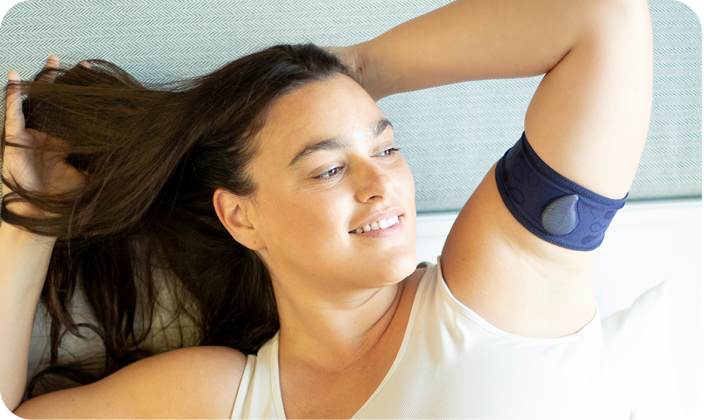
While Tempdrop is not a diagnostic tool for thyroid conditions and uses different temperature ranges from traditional oral thermometers, it can be a great way to more easily track daily basal body temperatures compared to traditional basal body thermometers, especially since Hashimoto’s often comes hand-in-hand with sleep disruptions, night sweats, and intense morning fatigue.

Secret #3: Thyroid Disorders Can Affect Ovulation and Fertility
Here is a frustrating truth about Hashimoto’s: your menstrual cycle can look perfectly normal on a calendar, yet underneath the surface, your fertility may be impacted.
Many women assume that if they get a period every month, they are successfully ovulating. Unfortunately, a sluggish thyroid can trigger anovulatory cycles (where you bleed, but no egg is released) or a Luteal Phase Defect (LPD).
A Luteal Phase Defect (LPD) is where the second half of the cycle (after ovulation) is too short to optimally support implantation and pregnancy.
- If you are managing symptoms: Progesterone is your body’s natural anti-anxiety and anti-bloating hormone. When a thyroid flare-up cuts your luteal phase short, you are left with a relative "estrogen dominance." This hormonal imbalance is often the root cause of severe PMS, painful breast tenderness, and erratic mood swings.
- If you are trying to conceive: A short luteal phase means that even if an egg is successfully fertilized, it may not have enough time to securely implant. The lining sheds before pregnancy can take hold, leading to early, unexplained pregnancy loss or trouble conceiving.

Tempdrop can help you confirm ovulation, along with cervical mucus (often referred to as cervical fluid)) and may help identify abnormal patterns over time so that you can seek appropriate medical care if needed. Instead of walking into your doctor's office with vague complaints of "feeling off," you can show them a data chart that proves your luteal phase is only lasting 8 days, or that you aren’t ovulating regularly. This data transforms you from a frustrated patient into an empowered advocate for your own healing.
Secret #4: Managing "Thyroid Fog" and Period Fatigue
The combination of hypothyroidism and menstruation can sometimes intensify fatigue and brain fog for some women, causing them to feel exhausted. And for other women, the heavier periods that can accompany hypothyroidism may further contribute to low iron and ferritin levels, which may further exacerbate underlying fatigue.
Tracking symptoms alongside your cycle may help you recognize patterns, anticipate lower-energy days, and better support your body with additional rest or recovery.
Secret #5: Beyond TSH—Advocating for a Full Thyroid Panel
Many providers only test Thyroid Stimulating Hormone (TSH), which may miss early stages of autoimmune thyroiditis.
Even when TSH levels fall within the “normal” range, they may not be optimal for someone trying to conceive or managing ongoing hypothyroidism symptoms.
If you suspect you have Hashimoto’s, track your symptoms, look for erratic temperatures in your chart, track your ovulation and overall cycle length, and track how heavy your bleeds are each cycle. You can use this information to build your case and request a full thyroid panel from your provider, including:
- TSH
- Free T3
- Free T4
- Reverse T3
- TPO (thyroid peroxidase antibodies) and TgAbs (thyroglobulin) antibodies *required for Hashimoto’s diagnosis
Managing Hashimoto’s: Medical, Natural, and Surgical Approaches
Treatment for Hashimoto’s often includes medication such as synthetic thyroid hormone (like Levothyroxine) or desiccated thyroid extract to support healthy thyroid hormone levels.
Lifestyle approaches are often focused on decreasing inflammation, stress, and immune system triggers with interventions like:
- Anti-inflammatory diet
- Stress management
- Sleep support
- Optimizing gut health
- Low-tox living
Surgery (thyroidectomy) is less common for Hashimoto’s but may occasionally be considered for large goiters, suspected cancer, or severe symptoms that do not respond to treatment.
Using Tempdrop to Monitor Your Cycle Trends
While Tempdrop cannot diagnose thyroid disease, tracking ovulation, luteal phase length, cycle patterns, bleeding, and temperature trends may help you better understand if your thyroid health may be affecting your cycle and fertility over time.
Hashimoto’s can affect much more than the thyroid gland alone. For many women, changes in menstrual cycles, ovulation, body temperature, or energy levels may offer early clues that something deeper is going on.
Learning to track these patterns can provide valuable insight, support earlier conversations with healthcare providers, and help you better understand your body’s changing needs.
If you are concerned you may have thyroid imbalances, it is key to seek medical care for appropriate diagnosis and treatment.
Frequently Asked Questions about Hashimoto's
Can Hashimoto’s cause irregular periods?
Yes. Hashimoto’s can disrupt ovulation and reproductive hormone signaling, contributing to irregular or heavy periods.
What is the best way to track ovulation with a thyroid disorder?
Tracking basal body temperature, cervical mucus, and cycle patterns can help identify ovulation trends. Wearable devices like Tempdrop may simplify temperature tracking. Still, it’s important to note that Tempdrop is not a diagnostic tool for thyroid conditions and uses different temperature ranges from traditional oral thermometers.
Can Hashimoto’s cause heavy periods or infertility?
Yes. Thyroid disorders can impact ovulation, progesterone production, and luteal phase length, which may contribute to heavy periods and other fertility challenges.
Can I still get pregnant if I’ve been diagnosed with Hashimoto’s?
Yes, you can absolutely get pregnant and have a healthy pregnancy after a Hashimoto’s diagnosis. While this autoimmune condition can cause irregular periods and ovulation challenges if left unmanaged, optimizing your thyroid function and immune health makes a successful pregnancy highly achievable. Work with your healthcare provider to keep your TSH levels within the ideal preconception range
Why is my body temperature low if I have a thyroid disorder?
Thyroid hormone regulates metabolism and heat production, so lower thyroid function may contribute to lower body temperatures.
What is the difference between hypothyroidism and Hashimoto’s disease?
Hashimoto’s is an autoimmune disease that attacks the thyroid gland. Hypothyroidism refers to low thyroid hormone function. Hashimoto’s is the most common cause of hypothyroidism in the United States and other developed countries.
Sources & Additional Reading
Dhillon-Smith, R. K., Middleton, L. J., Sunner, K. K., Cheed, V., Baker, K., Farrell-Carver, S., ... & Sizer, A. (2019). Levothyroxine to increase live births in euthyroid women with thyroid antibodies trying to conceive: the TABLET RCT. Efficacy and Mechanism Evaluation, 6, 1-72. https://doi.org/10.3310/eme06110
Güngör Semiz, G., & Hekimsoy, Z. (2024). Menstrual Cycle Characteristics in Women With and Without Thyroid Disease. Cureus, 16(6), e62724.https://doi.org/10.7759/cureus.62724
Joshi, J. V. (n.d.). Menstrual irregularities and lactation failure may precede thyroid dysfunction or goitre. PubMed.
Stagnaro-Green, A. (2011). Thyroid Antibodies and Miscarriage: Where Are We at a Generation Later?. Journal of Thyroid Research, 2011, 1-7. https://doi.org/10.4061/2011/841949