




The 4 Types of PMOS: What They Are —& Why It’s More Complex Than You Think
Updated September 13, 2026

If you’ve ever Googled “types of PMOS,” chances are you’ve come across the idea that there are four main types:
- Insulin-resistant PMOS
- Post-pill PMOS
- Inflammatory PMOS
- Adrenal PMOS
When I first started to plan out this article, I spoke with a few specialized PMOS practitioners, with the intention that I could easily pull together a clear explanation about the “4 types of PMOS”. What I soon discovered after a few conversations was that PMOS is much more complex than this tidy list. Although these categories are all over social media and wellness blogs, and while they can be helpful starting points, they don’t tell the whole story.
If you’ve been left wondering why your symptoms don’t line up or why nothing seems to work, you’re not doing anything wrong. PMOS is way more layered than a simple checklist, and understanding your unique version of it starts with learning how to tune into your own body.
First, a Quick Look at the “Four Types” of PMOS (PCOS)
These types aren’t official medical diagnoses. Instead, they’re a functional medicine framework used to categorize potential drivers of PMOS symptoms. Here's what each typically refers to:
1. Insulin-Resistant PMOS The most common form, when high insulin levels impact ovulation and androgen levels. It's strongly linked with weight gain, sugar cravings, and fatigue. ➡️ Backed by science: Insulin resistance is present in up to 50-70% of people with PMOS, regardless of weight.

2. Post-Pill PMOS Seen in some people after stopping hormonal birth control, particularly pills that suppress androgens. Temporary symptoms like irregular cycles or acne may appear, mimicking PMOS. ➡️ Important note: This isn’t "true" PMOS for everyone—it can resolve over time.
3. Inflammatory PMOS Here, chronic inflammation may disrupt ovulation and increase androgen levels. Clues can include fatigue, joint pain, and digestive issues. ➡️ Studies have found higher markers of inflammation (like CRP) in those with PMOS.

4. Adrenal PMOS Instead of high testosterone from the ovaries, the adrenal glands, on top of the kidneys, overproduce DHEA-S (an androgen). ➡️ It’s less common and harder to identify without thorough lab work.
So… Are There Really Just Four Types?
Not exactly. While this "four types" model helps explore possible underlying drivers, it’s not always accurate or comprehensive. Many people with PMOS have more than one factor at play.
In fact, PMOS is a syndrome (a group of signs and symptoms that occur together). That’s why two people with PMOS can look totally different - one may have acne and no period, while another ovulates regularly but has elevated androgens in lab analysis.
There’s growing consensus in the research world that PMOS is better understood through a multifactorial lens, including:
- Genetic predisposition
- Environmental triggers
- Metabolic health
- Gut and immune function
- Hormonal feedback loops
In short, PMOS is complex. If your symptoms don’t line up or nothing seems to work, you’re not doing anything wrong. Understanding your unique version of PMOS starts with learning how to tune into your own body.
How Can You Get Clearer Answers?
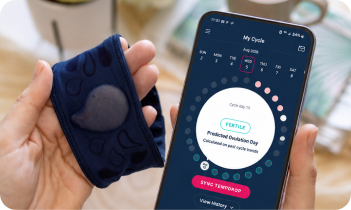
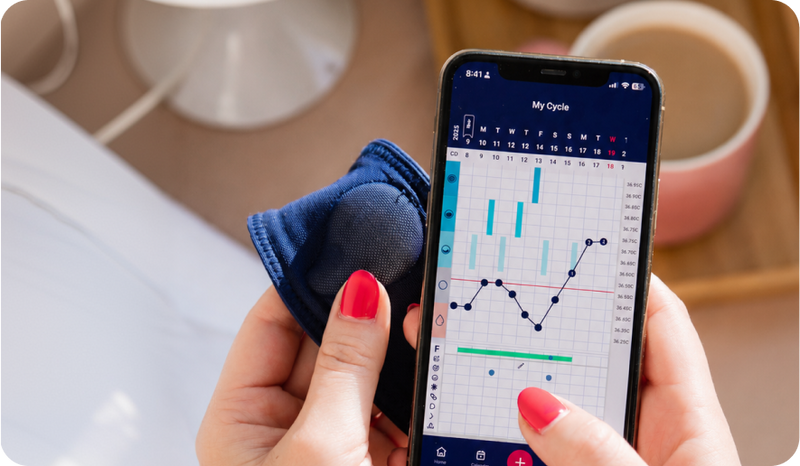
Start by tracking your cycle and symptoms consistently. Why? Because your chart can reveal:
- Whether or not you’re ovulating (you can’t tell from your period alone!). How long each cycle phase is (for example, a long follicular phase or a short luteal phase).
When you combine this with functional lab testing and work with a knowledgeable practitioner (ideally someone familiar with PMOS and cycle charting), you can start to identify your personal drivers and get a fuller picture of your hormonal health.

Key Takeaways
- The “4 types of PMOS” are popular but oversimplified.
- PMOS is a complex, multifaceted condition, and symptoms often overlap.
- Cycle tracking is a powerful first step to uncovering your patterns.
- Partnering with a practitioner can help you go deeper, with tailored support based on your labs, symptoms, and goals.
References:
- Dunaif, A. (1997). Insulin resistance and the polycystic ovary syndrome: mechanism and implications for pathogenesis. Endocrine Reviews, 18(6), 774–800. https://doi.org/10.1210/edrv.18.6.0318
- https://www.sciencedirect.com/science/article/pii/S0015028202031114#:~:text=Overall%2C%20about%2050%25%20to%2070,large%20proportion%20of%20such%20patients.
- Hormonal contraception in women with polycystic ovary syndrome: choices, challenges, and noncontraceptive benefits. https://pubmed.ncbi.nlm.nih.gov/29386951/
- González, F. (2012). Inflammation in polycystic ovary syndrome: underpinning of insulin resistance and ovarian dysfunction. https://pubmed.ncbi.nlm.nih.gov/22178787/
- Nutrient-Induced Inflammation in Polycystic Ovary Syndrome: Role in the Development of Metabolic Aberration and Ovarian Dysfunction. https://pubmed.ncbi.nlm.nih.gov/26132932/