
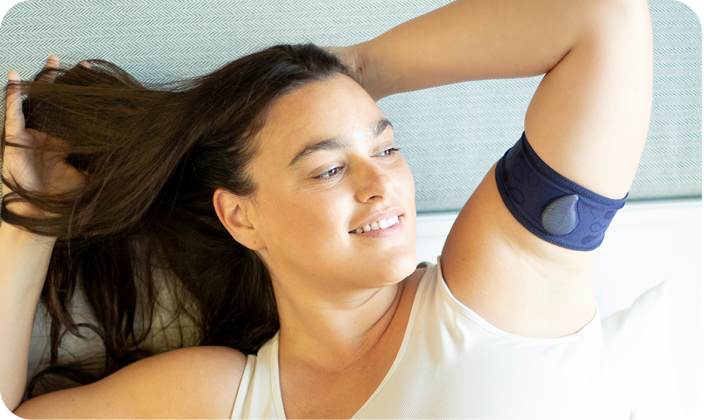


When is the best age to get pregnant? (The answer might surprise you)
If you feel your biological clock ticking, you’re not alone. Concerns about the best age to have a baby are very common among women, and the answer you might have heard (that fertility falls off a cliff after age 35), is not actually correct! To answer the question - when is the best age to get pregnant?- we need to understand a few things about a woman’s fertility.






Published April 26, 2026
Statistically, the best time to become pregnant is when favorable conditions (low stress, low toxin exposure) meet the highest egg quality and ovarian reserve. For most women, this age range is somewhere between age 20 and 30. But thankfully, there’s actually more to it than that.
How Age and Lifestyle Factors Affect Fertility
Your fertility is largely based on your lifestyle and the quality of your eggs, NOT your age!*
Your fertility can be limited by the health of your partner. The health of sperm is fifty percent part of the baby-making process! The age of the male partner does matter, as DNA damage occurs as men get older1and can cause pregnancy complications.
Fertility is also limited by certain physical factors, like uterine abnormalities or conditions like PCOS or endometriosis.
READ MORE:
Endometriosis vs. PCOS: Understanding the Impact on Fertility
5 Unusual Signs & Symptoms of PCOS You Should Look Out For
Top 10 Things Everyone Should Know About Endometriosis
Ovarian Cyst vs Fibroid: Understanding the Impact on Fertility
Chance of Getting Pregnant After Age 35: It’s All About The Egg
Every woman is born with all the eggs she will ever have—a large ovarian reserve (think millions of eggs!). During every menstrual cycle, multiple dormant (sleeping and waiting) eggs start developing, but only one or two reach ovulation. The other eggs end up degrading and never ovulate.
Does Fertility Decrease with Age? Understanding Egg Quantity vs. Quality
Each menstrual cycle, there is egg loss in this natural process, which is why by the time a woman reaches age 40, her reserve is smaller than in her 20s or early 30s. Other factors, like oxidative stress and environmental toxins, also affect fertility by lessening that reserve over time. However, quantity is only half the story.
Now that we understand a little more about how many eggs a woman has, let’s talk about the #1 fertility factor.
Why Egg Quality Matters Most for Pregnancy Success
The largest factor I see in clinical practice to determine a woman’s fertility is the quality of her eggs, not an exact timeline. Did you know that you can improve your egg quality? The environment is both how you live and where you live.
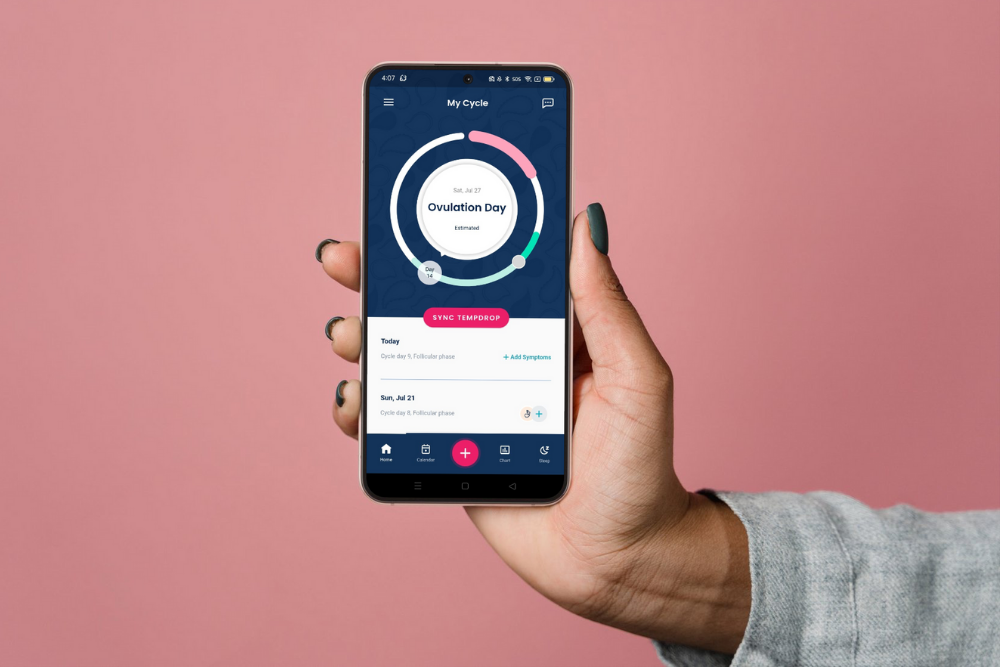
Still unsure if you ovulated?
Let our experts review your fertility chart. Discover the Conceive with Confidence Bundle.
Factors That Impact Your Ability to Get Pregnant
You’ll notice factors that impact the number of eggs you have also impact the quality. Let’s break down what you can do to support a healthy pregnancy.
Oxidative Stress
Oxidative stress is stress caused by oxidizing factors, which damages the egg cells directly. Oxidative stress can be caused by all 5 of the reasons above! One of the best ways to combat oxidative stress is to eat the rainbow and focus on antioxidant-rich foods and nutritional supplements2. It’s not uncommon for me to make recommendations to eat blueberries and purple foods daily, or to supplement with green tea, melatonin, CoQ10, NAC, and curcumin. Oxidative stress can also impact the health of your mitochondria3, which are the organelles in your cells responsible for energy production. Damage to mitochondria has an impact on your overall health as a woman, but also on your eggs.4
Chemical + Toxin Exposures
Chemical and toxin exposures can come from anywhere - the air you breathe, foods you consume, products you use in your home, or put on your skin. In fact, daily exposures to plastics and fragrances are two of the top exposures I address with women. By having a practice where you sweat regularly (sauna or exercise) you can release a lot of these substances from the body. But with any toxic exposure, avoidance is key! Changing your personal care products to “fragrance-free” versions, not eating (or storing) food in plastic containers, and focusing on natural fibers in your closet (Goodbye polyester!) are great places to start.5
Environmental Pollution
Environmental pollution comes from toxic air, chemical exposures at work, and exposures from where you live (like living next to a golf course, major road, or farm land).6 While you can’t always change your location, you can get an air filter in your home and sleeping space, stop wearing shoes inside your home, mop the floors and dust your living area frequently, and make sure your furnace filter is changed regularly and the air ducts are clean. “Burping” your house for 10 minutes each day can improve indoor air quality significantly, too.7
Stress
Stress can be physical, mental, or spiritual! How you feel about your stress matters, but your body feels stress very objectively. Your body has a hard time knowing the difference between you spilling a bag of groceries on the floor, or you running from a bear. It’s the same signal to your nervous system. Oftentimes, changing our mindset, creating more space in our lives, stopping the rush in our daily tasks, and having an outlet for stress (stream of consciousness writing, talking to a girlfriend, or exercise) can make a big difference. The relationship between stress and fertility and infertility is controversial when it comes to the actual data.8 But I consistently see in practice that lowering stress improves conception and pregnancy outcomes.
Radiation often comes from air travel and past exposure due to conditions like cancer. These exposures are harder to mitigate, but this is another place where an antioxidant-rich diet and use of supplements can make a big difference!
Expanding the Reproductive Window for Older Women
Because the factors that impact egg quality also tend to lessen egg reserve, making lifestyle changes can help keep the eggs you still have around for longer! This is especially relevant for those looking to get pregnant later in life or in their late 30s. There is truly no ideal reproductive window!

Embrace Every Stage of Your Pregnancy Journey
Gain peace of mind and valuable insights with Tempdrop fertility tracker.
Healthy Pregnancies in Their Late 30s and Early 40s: Two Case Studies
Women can technically become pregnant anytime between puberty and menopause. It is the health of the environment that ultimately determines fertility at any age!
Case Study 1
A woman in her late 20s is trying to conceive.
She has just completed a program at university that was very rigorous and stressful.
She now works full-time, and she enjoys high-intensity activities like hot yoga, CrossFit, and hiking.
She eats clean and drinks plenty of water.
She and her husband have been trying to conceive for 6 months and have not had success. Her cycles are slightly irregular, and she doesn’t have consistent cervical mucus each month. While her age might be ideal for getting pregnant, her lifestyle factors are preventing her from conceiving.
In this case, she has irregular or poor ovulation and low egg quality, which are preventing her from getting pregnant. Age is just one factor to consider when you start trying to get pregnant.

Case Study 2
A woman in her early 40s is trying to conceive.
She found her partner later in life, which wasn’t her choice, but now she’s ready to have a baby.
She started to think about her fertility when she turned 30.
She started to eat healthy proteins and vegetables each day.
She prioritized sleep.
She changed her job from a hairdresser to a preschool teacher because she wanted less chemical exposure, and she was suffering from chronic headaches.
Her partner is 5 years older than she is, but he is healthy and learned a lot about work-life balance after he had a work crisis at age 35.
This couple gets pregnant in two cycles. While she might fall into the category of “advanced maternal age,” the quality of her eggs are healthy, her egg reserve is higher than someone else her age because she changed her lifestyle to support fertility years prior, and her husband’s sperm are numerous (sperm count), properly shaped (sperm morphology), and forward moving (sperm motility). They know this info because they did an at-home sperm analysis to check.
These women have vastly different outcomes, despite their differences in age. One is fertile, and the other is not, because of their environment.
These are examples I see every day in my medical practice.
What You Can Do To Get Pregnant At Any Age
The good news is that no matter your age group, or when you plan to have a baby, you can be doing things NOW to increase your chance of becoming pregnant! In addition to diet, proper supplementation, mindset work, and limiting toxin exposure, my number one recommendation to women who want to learn more about their fertility and trying to get pregnant as soon as they can—naturally—is to TRACK your menstrual cycles!
This is more than just marking the start and stop of your period on a calendar. This is methodical daily data that helps you figure out your cycles and also get pregnant fast!
Using Tempdrop to Identify Your Time to Pregnancy
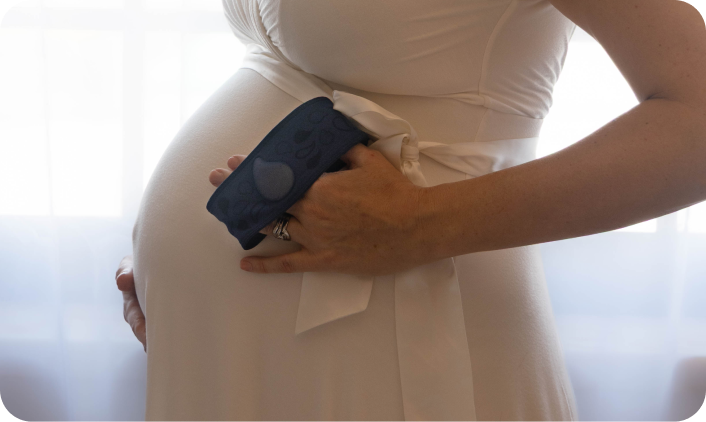
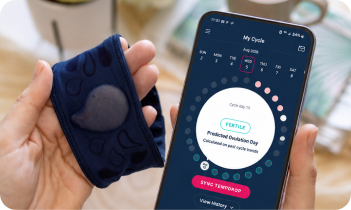
I recommend a Tempdrop device to all my patients. Tempdrop is a wearable basal body temperature (BBT) thermometer and app that can aid cycle tracking for conception. It gives you an accurate BBT each morning, despite any sleep disturbances like waking up for breastfeeding, shift work, or insomnia. You can use the temperature readings alongside tracking other fertility signs such as cervical mucus to find out:
1) When your fertile window is each cycle,
2) When your typical ovulation day is,
3) When to expect your period each month
4) If you have any luteal phase deficiencies (key for trying to conceive).
Your basal body temperature (BBT) is lower and steady in the first half of your cycle, before ovulation. After ovulation, your BBT increases and is sustained over 10-16 days. This enables you to see when ovulation is occurring and how healthy it is.
One big reason why women may not become pregnant can also come down to accurate timing—not knowing when their fertile window is or if they are even ovulating each month. Using a wearable like Tempdrop helps answer these questions so that couples can move on to address any other issues with fertility that are preventing pregnancy!
The Smarter Way To Track
Tempdrop's Conceive with Confidence package combines technology precision with expert-led education and support to help you time your conception perfectly and get pregnant.
References
- Impact of Advanced Paternal Age on Fertility and Risks of Genetic Disorders in Offspring. Cureus. 2023. PMID: 36833413.
- The roles of cellular reactive oxygen species, oxidative stress and antioxidants in pregnancy outcomes. The International Journal of Biochemistry & Cell Biology. 2010. PMID: 20601089.
- Endocrine-disrupting chemicals: exposure, effects on human health, mechanism of action, models for testing and strategies for prevention. Reviews in Endocrine and Metabolic Disorders. 2019. PMID: 31792807.
- Dietary Exposure to Pesticide and Veterinary Drug Residues and Their Effects on Human Fertility and Embryo Development. International Journal of Molecular Sciences. 2024. PMID: 39201802.
- The relationship between stress and infertility. Rooney, K. L., & Domar, A. D. (2018). Dialogues in Clinical Neuroscience, 20(1), 41–47. https://doi.org/10.31887/DCNS.2018.20.1/klrooney