






The 5 Most Important Nutrients to Overcome Postpartum Depletion
The first year after birth is a powerful window of healing and rebuilding - and is foundational for increasing your capacity to care for yourself and your family.




Updated March 30, 2026

The first year after birth is a powerful window of healing and rebuilding - and is foundational for increasing your capacity to care for yourself and your family. The return of your menstrual cycle postpartum is not simply a marker of fertility; it reflects the gradual restoration of hormonal balance. Charting your cycles during this phase can be confusing, but hearing the experiences of other mothers navigating tracking their cycles in their postpartum journey can be so helpful!
During pregnancy, estrogen and progesterone levels rise dramatically to support the growth and development of your baby. After birth, these hormones drop rapidly while prolactin increases, to promote breastfeeding. At the same time, your body is recovering from pregnancy and birth, repairing tissues, replenishing blood volume, and adapting to the energy demands of breastfeeding.
If you are breastfeeding, your body requires several hundred additional calories per day to support breastmilk production, as well as additional hydration. Whilst there is no set amount of fluids during breastfeeding, aim for approx. 3-3.8 litres of fluid daily. Combined with sleep disruption and the physical demands of caring for a newborn, the postpartum phase creates a period of significant metabolic demand. Prioritising nutrition during this time is one of the most important ways to support your recovery, hormone balance, and long-term health.
What is Postpartum Depletion?
Postpartum depletion refers to the physical, nutritional, and emotional toll that pregnancy, birth, and breastfeeding can place on the body, and symptoms that may occur from depletion, ranging from mild to moderate to severe. These symptoms can arise from a number of factors, including hormonal changes, nutrient depletion, circadian rhythm disruption, environmental toxins, or stress. To layer in more complexity, many mothers don’t receive the emotional and social support they truly need.
During pregnancy, large amounts of nutrients are transferred from the mother to support the development of the baby. Blood volume expands, tissues grow and stretch, and the body draws on its nutrient reserves to sustain both mother and baby. After birth, recovery from labour, ongoing breastfeeding, sleep disruption, and the demands of caring for a baby can continue to draw heavily on these resources.
Without adequate nourishment and recovery, some women may experience symptoms of depletion for many months or even years postpartum. Over time, ongoing depletion can affect hormone regulation, immune function, thyroid health, and nervous system resilience.
Why should I care about postpartum nutrition?
Pregnancy, birth, and breastfeeding place enormous energy and nutrient demands on the body. Without intentional replenishment, many women experience postpartum depletion.
Common symptoms may include:
- Fatigue and low energy
- Hair loss
- Brain fog
- Mood changes or anxiety
- Poor recovery from illness
- Irregular cycles once menstruation returns
Nutrition during this time is not about dieting or restriction. It’s about replenishment of micronutrients and rebuilding reserves. This is why the months after birth are not just about caring for your baby; they are also an important opportunity to rebuild and support your own health.
Key nutrients for postpartum recovery
Micronutrients are vitamins and minerals our body requires for optimal functioning of metabolism, gut and immune systems, hormones and for healthy growth and development. Many women continuing taking prenatal multivitamins and minerals postpartum, which is helpful, however not enough. We need to focus on whole foods, which typically contain nutrients packaged together for optimal absorption and utilisation by the body.
All nutrients are key postpartum; however, there are a few to focus on as they easily become very depleted.
Iron
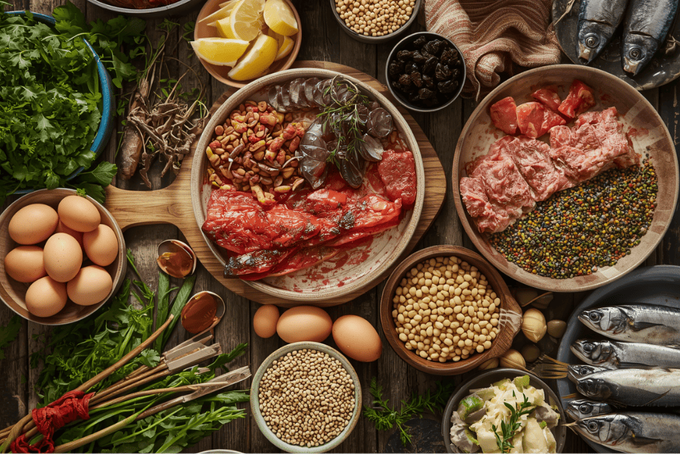
Blood loss during birth and ongoing breastfeeding demands can contribute to low iron stores. This crucial mineral supports energy, oxygen transport, and thyroid function. Focus on foods such as:
- Slow-cooked red meats
- Liver and organ meats
- Lentils and legumes
We only absorb approximately 15-35% of iron from animal based foods, and 2-20% of iron from plant based foods (non-heme iron). You can pair iron-rich foods with vitamin C-rich foods to increase absorption, as well as ensuring you chew your food well to increase stomach acid production to break down food properly for nutrient absorption in the gut. Additionally, nutrients magnesium, vitamin A, and copper are essential for the utilisation and transportation of iron in the body.
Protein
Protein supports tissue repair, hormone and neurotransmitter production, and stabilizes blood sugar for energy and mood balance. Aim to include a palmful of quality protein source at every meal, such as meat, chicken, eggs, dairy, tofu, tempeh, and legumes.
Omega-3 fatty acids
DHA is important for both maternal mental health and is transferred through breastmilk for infant eye, brain, and central nervous system development. Sources include:
- Salmon
- Sardines
- Mackerel
- Pasture-raised eggs
Iodine
Iodine is essential for thyroid hormone production, which regulates energy, metabolism, and breastmilk production. It also supports infant thyroid function for metabolism, growth, and brain development. Sources include:
- Seafood
- Eggs
- Dairy (if tolerated)
Zinc and B Vitamins
These nutrients support digestive function, immune health, hormone balance, and nervous system function. Zinc is also a cofactor in over 300 enzymes in the body. Foods rich in these nutrients include:
- Meat
- Chicken
- Shellfish
- Eggs
- Seeds
- Dark leafy greens
Vitamin D
Vitamin D is responsible for mineralisation of bones, and the health of the gut, immune system, and hormone regulation. It is also needed for increasing the absorption of magnesium, calcium, iron, phosphate, and zinc in the gut. Alongside safe sun exposure, the following foods contain vitamin D:
- Oily fish (sardines, mackerel, salmon)
- Cod liver oil
- Egg yolks
- Mushrooms exposed to sunlight (UVB - around midday sun) for 15-60 minutes with gill side up
Practical Steps to Support Your Postpartum Health
It may feel overwhelming to think about how to include all of these in your diet, whilst also feeding and caring for a small baby. These 5 steps will help you rebuild the essential reserves you need in those first months.
1. Prioritise nutrient-dense meals
Focus on whole foods that provide protein, healthy fats, and are packed with micronutrients at every meal. Pre-planning meals, batch cooking, and freezing can make it so much easier, especially in the early months postpartum.
2. Rebuild iron and mineral stores
Include oysters, liver, and organ meats in your meal plan. Tip: Liver powder can be added to meals such as bolognese, slow-cooker meals, scrambled eggs, and soups.
3. Stay hydrated
Breastfeeding significantly increases fluid needs. But it's not just water you need; electrolytes are key for cellular hydration. Include coconut water and bone broth.
4. Support recovery
Make sure to rest whenever you can, and get outside for that all-important sunlight and gentle movement.
5. Emotional Support
Ask for help and talk to your partner about how you are feeling. This plays an important role in hormone recovery.
Implementing these simple foundational steps can make a powerful difference to your postpartum experience.
Tempdrop & Postpartum Charting
Charting your cycles with Tempdrop can provide valuable insights during this time, whilst the deeper foundation lies in supporting your body through nutrition and recovery.
As hormones are shifting and changing, it can be a confusing time for tracking your fertility. If you haven’t already, read Postpartum Charting, Your Questions Answered and download the Postpartum Fertility Guide: Expecting the Unexpected.
With the right support, your postpartum phase can also be the beginning of a stronger, more resilient foundation for your health in the years to come.
Cycle Clarity
Track your cycle with precision and gain deeper insights into your health.