






Understanding Adenomyosis: A Complete Guide to Diagnosis and Treatment
Living with adenomyosis can mean navigating painful periods, heavy bleeding, and years of uncertainty. Understanding adenomyosis - its causes, diagnosis process, and available treatments - can help you make informed choices, advocate for care, and feel more in control of your body.


Updated April 17, 2026
What Causes Adenomyosis?
Adenomyosis occurs when the tissue (endometrium) that lines the inside of the uterus grows into the muscle wall of the uterus, rather than remaining in the uterine cavity. This misplaced tissue continues to respond to hormonal signals, thickening and bleeding during the menstrual cycle. Because this tissue is trapped inside the wall of the uterine muscle, this can lead to inflammation, pain, and abnormal uterine bleeding.
The precise cause (or causes!) of adenomyosis isn’t fully understood. Research suggests multiple possible contributing factors, including:
- Prior uterine surgery (such as cesarean sections, myomectomy, hysteroscopy, dilation & curettage)
- Developmental or genetic factors
- Hormonal influence (possibly estrogen sensitivity)
- Inflammation of the uterine lining
Rather than a single cause, adenomyosis may reflect a combination of hormonal, inflammatory, and structural factors.

Understand Your Unique Cycle Patterns
Gain deeper insights into your cycle with accurate BBT data.
How Adenomyosis Occurs: Tissue that Lines the Uterus
In adenomyosis, endometrial cells move inward and become embedded within the uterine muscle. Over time, the uterus may become enlarged, thickened, or “spongy”. Because this misplaced tissue still reacts to hormonal cycles, the condition can cause inflammation, heavy bleeding, and chronic pain or frequent episodes of acute pain.
Recognizing the Symptoms of Adenomyosis
Common Adenomyosis Symptoms to Watch For
Adenomyosis symptoms vary widely. Some women experience mild symptoms or none at all, while others experience symptoms that disrupt daily life. Common signs of adenomyosis include:
- Heavy or prolonged menstrual bleeding
- Severe menstrual cramps
- Pressure or fullness in the lower abdomen
- Pain during intercourse
- Pain during bowel movements or when emptying the bladder
- Spotting between periods
- Passing large clots
- Enlarged or tender uterus
- Fatigue
- Subfertility, infertility, or repeated miscarriage
These symptoms stem from inflammation, trapped bleeding inside the uterine wall, and increased pressure in the uterus.
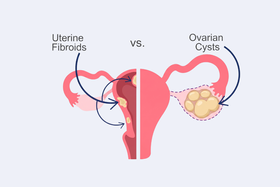
Symptoms of Adenomyosis vs. Endometriosis and Uterine Fibroids
Adenomysis can be confused with endometriosis or uterine fibroids, because all three conditions can involve pain and heavy bleeding.
- Adenomyosis: Endometrial-like tissue grows within the uterine muscle
- Endometriosis: Endometrial-like tissue grows outside the uterus
- Uterine fibroids: Benign growths in or on the uterus
These conditions can also co-occur, which can complicate diagnosis and contribute to delayed recognition.
Managing Chronic Pelvic Pain and Heavy Bleeding
Adenomyosis is one of several possible causes of abnormal uterine bleeding. Tracking bleeding patterns, pain levels, and cycle timing can help identify symptom patterns and guide more accurate diagnosis and management.
How Doctors Diagnose Adenomyosis and Manage Results
Diagnosing adenomyosis can be difficult because symptoms overlap with other conditions and because there is no single definitive test. Doctors may begin with:
- A detailed symptom and menstrual history
- A pelvic exam
- Imaging tests to assess the uterus
Ultrasound and Magnetic Resonance Imaging (MRI) Accuracy
A transvaginal ultrasound is commonly used to evaluate changes in the wall of your uterus, while an MRI can provide a more detailed assessment of the extent of adenomyosis.
However, while imaging to aid in diagnosis has improved in recent years, a definitive diagnosis is sometimes made only after a hysterectomy, when tissue can be examined directly. Because of this, some patients with adenomyosis experience diagnostic delay or a diagnosis only after years of symptoms. Tracking cycle patterns can help healthcare providers distinguish adenomyosis from some other conditions and improve diagnosis and management. In some cases, effective fertility charting can aid in the timing of treatments.
Effective Adenomyosis Treatment and Management of Adenomyosis
Adenomyosis treatment depends on symptom severity, age, and reproductive goals. Treatment often focuses on symptom relief and improving quality of life.
Non-Surgical Adenomyosis Treatment Options to Ease Symptoms
Common treatment approaches include:
- Lifestyle and nutrition strategies to support hormone balance and reduce inflammation.
- Anti-inflammatory medications to reduce pain - some may find relief in starting an anti-inflammatory medication such as ibuprofen a couple of days prior to expected menses when charting cycles.
- Some find that tranexamic acid is helpful when taken starting the first day of a cycle for a set number of days or until bleeding ceases.
- GnRH agonists may cause relief from symptoms and some remission of the disease.
- Hormonal therapies to regulate bleeding. Some try progesterone supplementation in the luteal phase in the hope it may reduce inflammation. These are often contraceptive in nature, designed to inhibit the growth and shedding of the cells.
Some research suggests inflammation and immune function may play a role in adenomyosis and that addressing inflammation may improve symptoms for some individuals.
Surgical Treatment Options for Adenomyosis
In more severe cases, surgical options may be considered, including:
- Ablation (though this may be less effective for deeper tissue).
- Uterine artery embolization to reduce the blood supply to the affected area of the uterus.
- Targeted tissue removal in select cases.
- Hysterectomy - which is considered the only definitive treatment.
A hysterectomy can fully resolve symptoms, but it is typically reserved for those who do not wish for future pregnancies.
It's important to note that having an oophorectomy - the surgical removal of ovaries alongside the uterus -will have a significant impact on your hormones, and consideration for hormone replacement should be discussed with your practitioner before and after your procedure.
Answering your questions about adenomyosis
What causes Adenomyosis
The exact cause is not fully known, but adenomyosis may be influenced by prior uterine surgeries/procedures, hormones, inflammation, and genetic, structural, and immune factors.
What is the difference between adenomyosis and endometriosis?
Adenomyosis involves tissue growing inside the uterine muscle.
While endometriosis involves similar tissue growing outside the uterus.
They share symptoms and can occur together.
Will I be able to get pregnant if I have Adenomyosis?
Pregnancy is possible. Adenomyosis may be associated with fertility challenges or pregnancy complications. Outcomes vary depending on individual circumstances.
Does it go away after menopause?
Because adenomyosis is hormone-dependent, symptoms often improve or resolve after menopause when estrogen levels decline.
References
- Endometriosis Foundation - Adenomyosis Overview: https://www.theendometriosisfoundation.org/adenomyosis
- Fig Leaf Fertility - Endometriosis Awareness & Symptom Tracking: https://www.figleaffertility.com/post/endo-awareness
- Natural Womanhood - Adenomyosis vs Endometriosis: https://naturalwomanhood.org/adenomyosis-vs-endometriosis-symptoms-treatments/
- Frontiers in Reproductive Health journal article - The impact of adenomyosis localization in myometrium on fertility and pregnancy outcomes: a narrative systematic review of the literature: https://doi.org/10.3389/frph.2026.1748474