




5 Tips for Tracking Your Cycle When You Have PMOS




Updated September 13, 2026

Tracking your cycle when you have polyendocrine metabolic ovary syndrome (PMOS - formerly known as PCOS) can be really difficult. While it can be difficult to interpret PMOS charts because they tend to be drawn out, our customers also note that it's emotionally difficult.
So today we have 5 tips to help you be successful in your charting efforts if you have PMOS (formerly known as PCOS).
1. Don't check your temperature every day
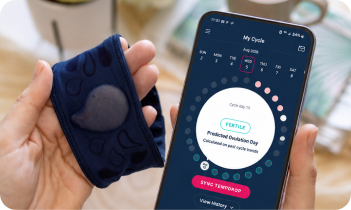
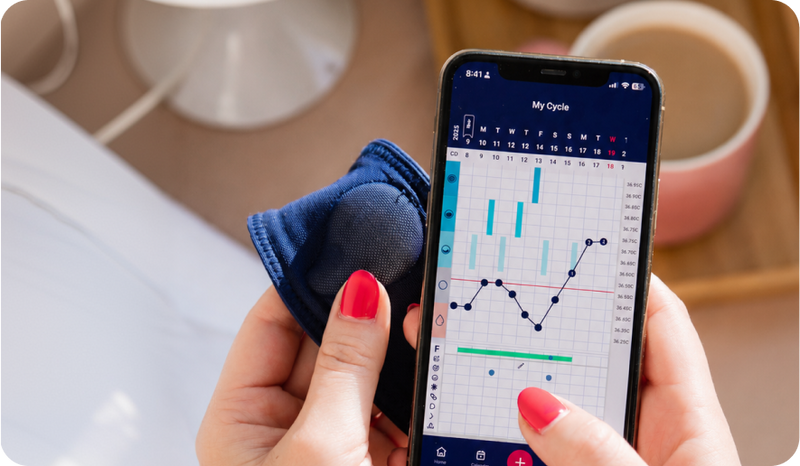
That doesn't mean don't take your temperature every day - that's still incredibly important. But especially with long cycles, it's easy to get hung up on one temperature being out of range, getting your hopes up, and then being disappointed. With Tempdrop, you can sync your temperature without looking at the actual result on the chart each time. Or you may choose to sync every 3 days (Tempdrop 2 holds until 60 hours of recording data) and check to see if you've had a change in the overall trend or pattern of your temperatures. You'll be surprised at how much stress it removes!

2. Give your partner the job of syncing your Tempdrop
That's right! It's okay to ask your partner to sync your Tempdrop for you if you're having a hard time not comparing temps every day. They can sync it on your phone or theirs - theirs will just make it even less accessible to you! Then set a plan to check it 2-3 times per week for overall trends.
3. Remember the goal
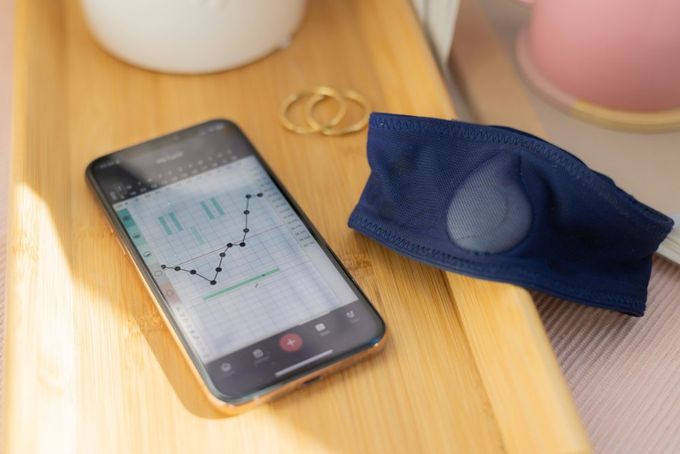
Sometimes it's hard, and we get caught up in the minuscule details, but remember you're gathering data for informational purposes. It's to help you know where your body is at. Many who are making lifestyle changes to help their PMOS are also charting to see if and how those changes are helping! The data is just a marker to let you know where you are. And when you finally do ovulate, you'll know when to expect your period or start taking pregnancy tests, depending on your intentions.
4. Don't force the chart
This is something everyone is prone to doing - seeing just what we want to see. In charting, this means don't force the chart to show you what you want it to show you. Remember that the chart as a whole will give you the most useful information.
5. Don't compare your chart to other people's charts
This one is particularly important. Whether you're comparing against someone who does or doesn't have PMOS, just try to refrain from comparing your chart at all! You are in a different place from everyone else. Remember to also be cautious when comparing your current chart to your past charts. You are also in a different place than you were two months or even two years ago. It can be useful to keep track of your cycles to see how changes you're making are affecting them, but don't get caught up in it.
Other Tempdrop articles about PMOS