



TTC After a Miscarriage: Here's What You Should Know + Expert Tips
Follow the tips on how to conceive after a pregnancy loss




Published May 25, 2026

Miscarriage is a shared experience, affecting around 10-20% of pregnancies. Though pregnancy loss is common, it is a devastating event, both emotionally and physically. Whether a couple is looking to continue trying to conceive or not, expert advice and support throughout this process can be important.
Let's explore the emotional journey of pregnancy loss, the timing and safety of trying again, and ways to boost your fertility after miscarriage. We'll also offer tips on how you can move forward with hope and positivity.

Understanding the Emotional Journey
Coping with Pregnancy Loss
Miscarriage is deeply personal. It involves a great deal of emotional pain, and everyone navigates this grief differently. I encourage you to communicate your feelings openly with your partner and the people closest to you.
Seeking Emotional Support
Professional support from counselors, therapists, or miscarriage support groups can be beneficial. You can also practice self-care with mindfulness, journaling, and walking in nature.
Healing is a continuous process, so don't hesitate to ask for help, and remember that your needs will change as you progress on this journey.
» Dealing with miscarriage? Check out ways to support yourself

Timing and Safety
How Soon After a Miscarriage Can You Try Again?
There are no clear guidelines on how long after a miscarriage to try again. Many women will have the return of a period within four to six weeks, and ovulation before that. Factors such as how far along you were in your pregnancy before the loss, your unique hormonal picture, the type of miscarriage you had, and the reason for the miscarriage will affect your timing.
Consider your emotional and physical readiness and talk with your partner about the right timing for you both.
Is it Safe to Get Pregnant Right After a Miscarriage?
The safety of trying to conceive again depends on how far along you were before the loss, the hormonal picture, and the reason for the miscarriage.
We may not always know the exact cause of a miscarriage, but I always encourage you to discuss this with your provider for personalized guidance on your next steps.
» Check out reasons you should track your ovulation

Boosting Fertility After Miscarriage
How to Get Pregnant After Miscarriage?
Many women worry about infertility after miscarriage, but you can apply the same strategies you used when trying to conceive.
- Take a holistic and personalized approach to looking at diet, supplements, exercise, lifestyle, stress management, and your unique health picture.
- Track your cycles, including ovulation, so that you know when/if your fertile days are, when you are ovulating, and if you have an adequate luteal phase. Tracking your cycle will give you the best chance of conceiving and identifying if you need further support.
» Find out what is fertility charting.

Why Are You More Fertile After Miscarriage?
There is conflicting data, and it is not clear if women are in fact, more fertile after a miscarriage. Research suggests that increased fertility occurs within three months after a miscarriage. The reason behind it, however, isn't clear.
Recognizing Early Pregnancy Signs
Early signs of pregnancy after miscarriage are a lack of an expected period (usually around 2 weeks after ovulation),prolonged luteal phase, morning sickness, breast tenderness or enlargement, and food cravings.
It's always helpful to seek advice from a medical provider to increase your chances of having a successful pregnancy after a miscarriage.
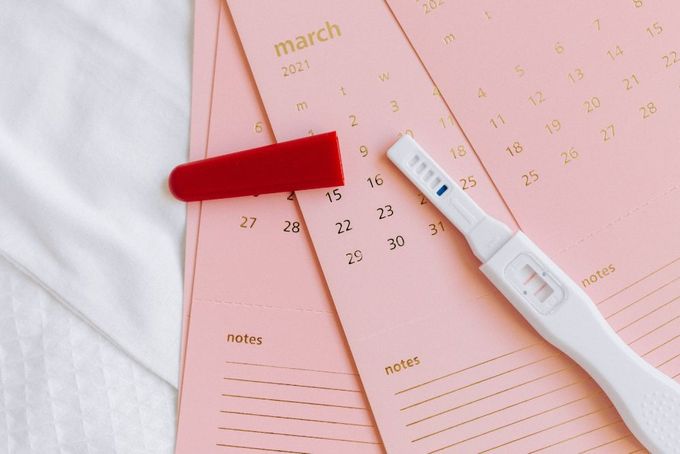
Begin testing for potential pregnancy when you have an 18-day or longer luteal phase or if you have missed a period by more than 5 days. In general, it is recommended to see your medical provider 6-8 weeks after your last period if you are regularly cycling or 4-6 weeks into pregnancy with any questions or concerns.
» Take a look at ways to improve your chances of pregnancy
Moving Forward with Hope
Move at your own pace, with personal, emotional, and professional support if needed. Although miscarriage can be heartbreaking, there is hope, with many successful pregnancies following it.
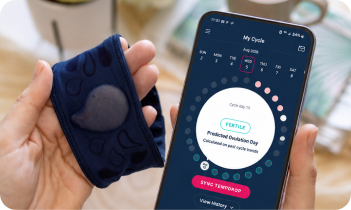
Continue to track your cycles and tune into your body on the journey. Tempdrop helps identify ovulation, an adequate luteal phase, and the potential return to fertility and hormonal imbalances during this time.