


Natural Birth Control Worked for Me—Until I Wanted a Baby
I used the Symptothermal Method to avoid pregnancy for years before intentionally getting pregnant. Here’s what my experience taught me about natural birth control.




Updated October 20, 2026
When I tell friends or family that my husband and I rely on the Symptothermal Method of Fertility Awareness as our primary form of birth control, I usually get a classic double-take. It’s a mix of polite skepticism, intense curiosity, and occasionally a look that says, “Good luck with that.”
When we announced my pregnancy with my son, I could practically read the thoughts of some friends - “Ah, bad birth control.”
The reality couldn’t have been further from the truth. My son was 100% planned. Because I had spent years tracking my biological markers, we knew exactly:
- when my fertile window opened,
- when I ovulated,
- and when conception was possible.

When we were ready to avoid pregnancy again postpartum, I went right back to my fertility charting.
If you’ve ever wondered whether natural birth control is legitimate, how it works when your sleep is completely wrecked postpartum, or how tracking your cycle can reveal hidden hormonal issues like low progesterone, here is everything you need to know.
What Is the Symptothermal Method? (And What It Isn't)
The biggest misconception about natural birth control is that it's just the "Rhythm Method" in a trendy new wrapper. The Rhythm Method relies on calendar guesses based on past cycles.
The Symptothermal Method (STM), by contrast, is a real-time, biomarker-based double-check method. It relies on two primary daily observations:
- Cervical Mucus (Fluid): Estrogen rises as a follicle matures, causing cervical mucus to change and become more lubricative (clear, stretchy, and often looking like raw egg whites). The presence of fertile cervical mucus opens your fertile window.
- Basal Body Temperature (BBT): Once ovulation occurs, the empty follicle transforms into the corpus luteum, which secretes progesterone. Progesterone warms your core body temperature by approximately 0.3℉-0.5℉ (or 0.2°C - 0.3°C). A sustained thermal shift over at least three consecutive days, combined with a drying up of cervical fluid, confirms that ovulation is complete and the fertile window has closed.
While biologically a woman is only fertile for a 5-to-7-day window each cycle (accounting for sperm survival and egg lifespan), the Symptothermal Method adds safety buffers on either side to ensure maximum safety when avoiding pregnancy.
The Clinical Evidence: Is Natural Contraception Actually Effective?
Skepticism usually stems from a lack of familiar data. People assume natural methods are unreliable. However, peer-reviewed clinical studies tell a very different story when a structured Double-Check Symptothermal Method (such as Sensiplan) is used [Frank-Herrmann et al., 2007]:
- Perfect Use: 99.6% effective (comparable to the hormonal pill or IUD).
- Typical Use: 98.2% effective (accounting for minor user errors or miscalculations).
These clinical effectiveness rates come from research where users followed strict calculation rules and biomarker tracking that they learned with a certified Sensiplan instructor or through a comprehensive double-check protocol.
The method is scientifically sound, but it requires diligence. If you take risks during your confirmed fertile window, the method hasn't failed—you simply chose to take a calculated chance.
Postpartum Tracking: Handling Irregular Cycles and Broken Sleep
Using FAM to avoid pregnancy while single or sleeping 8 hours a night is straightforward. Postpartum FAM, however, is a completely different ballgame.
When you are nursing, waking up at 2 AM, 4 AM, and 6 AM, and experiencing months of irregular cycles before your first postpartum period, tracking with a traditional oral basal body temperature (BBT) thermometer becomes nearly impossible. Standard BBT thermometers require at least three consecutive hours of deep, undisturbed sleep before taking your temperature at the exact same time every morning upon waking.
That is where wearable technology changes everything.
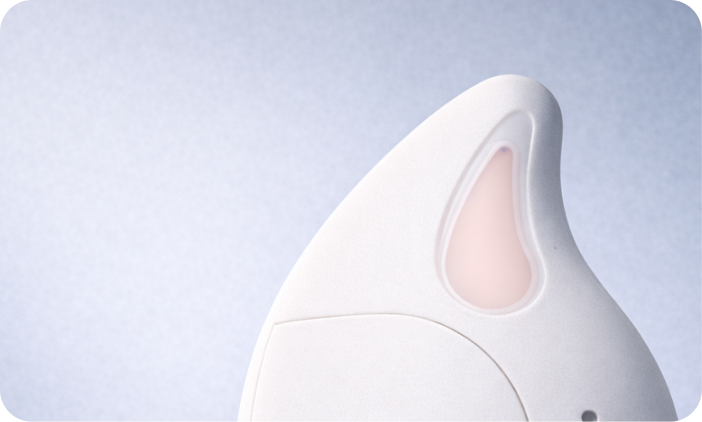
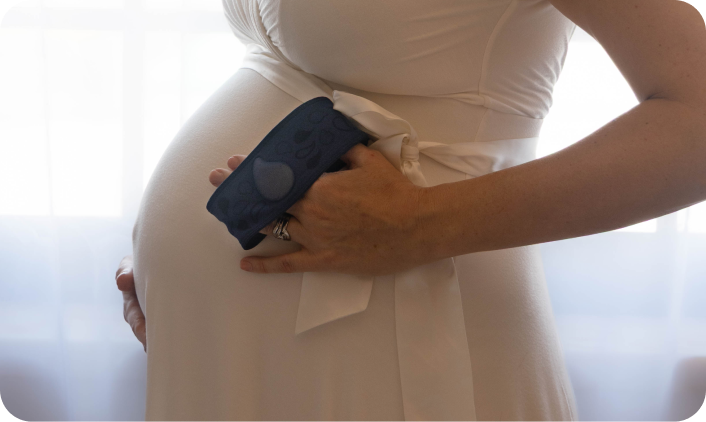
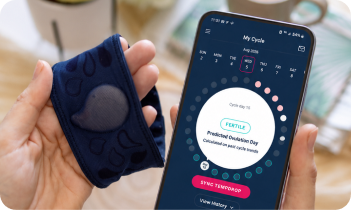
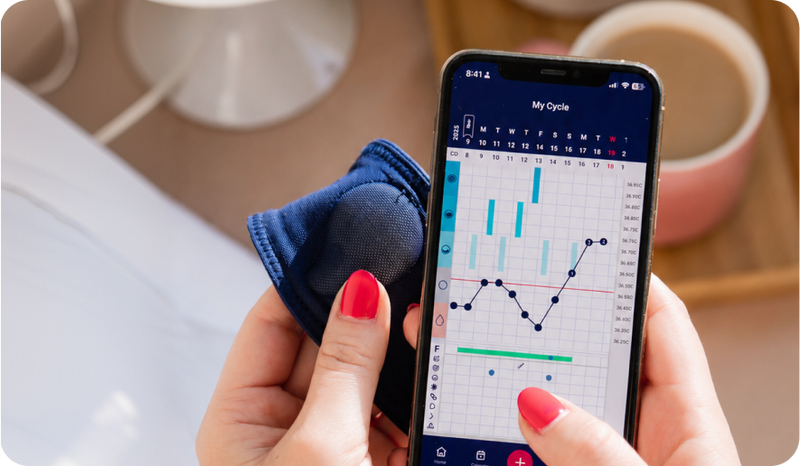
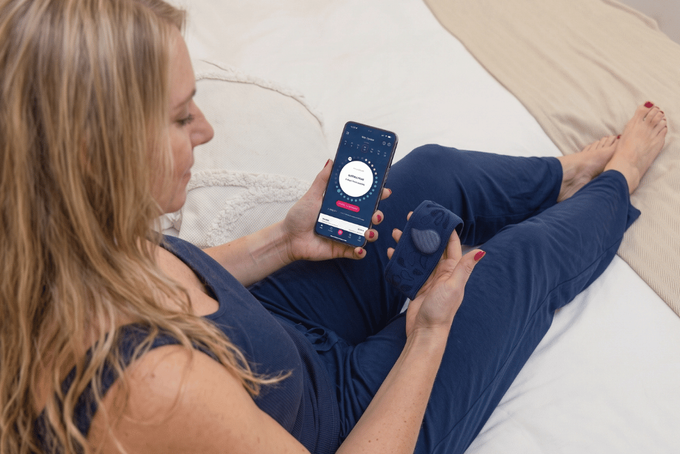
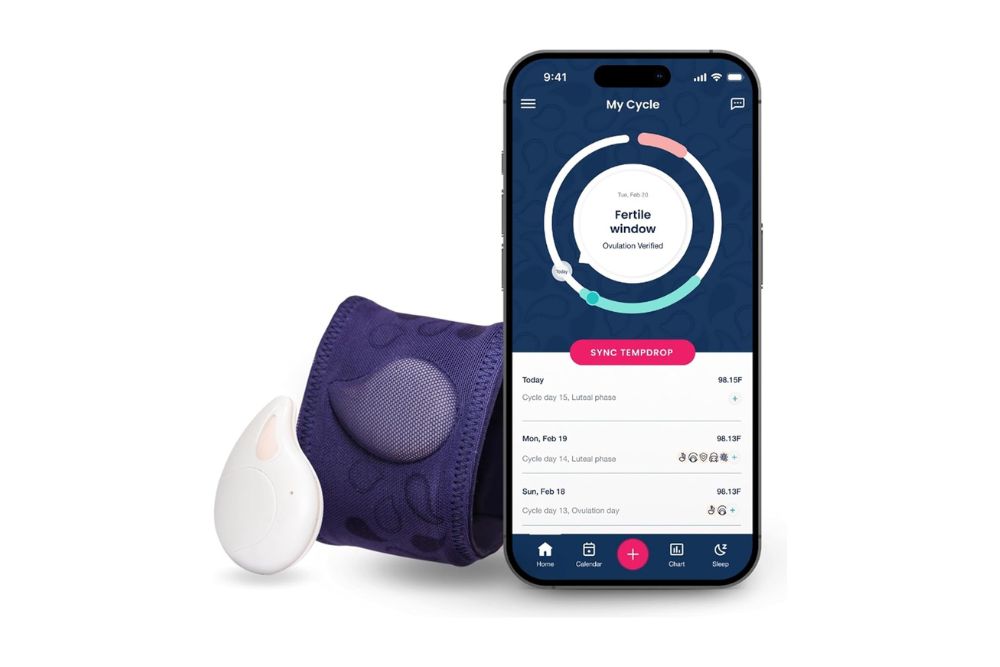
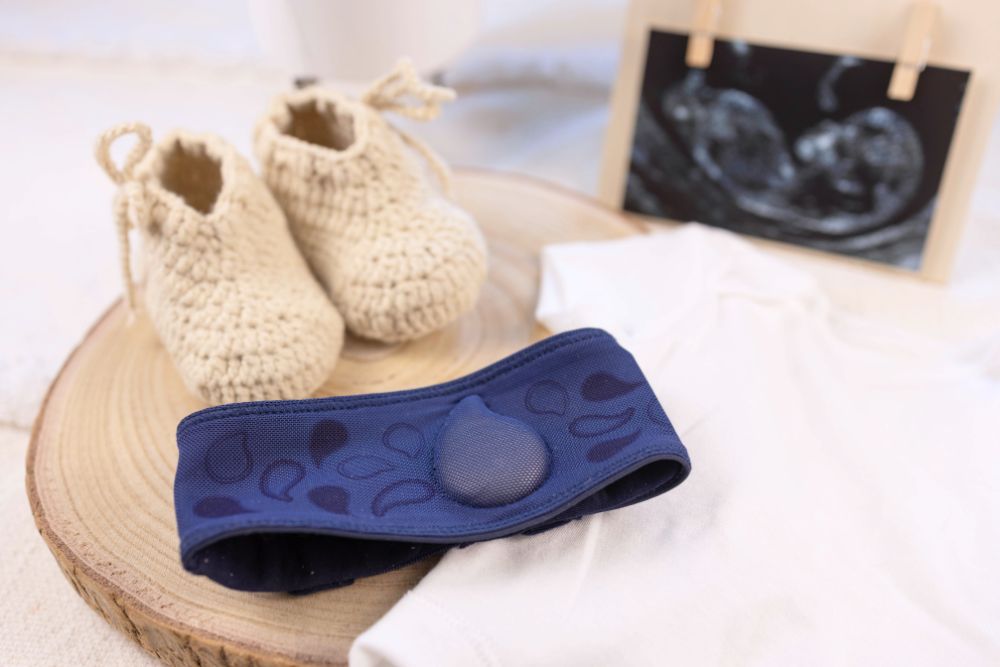
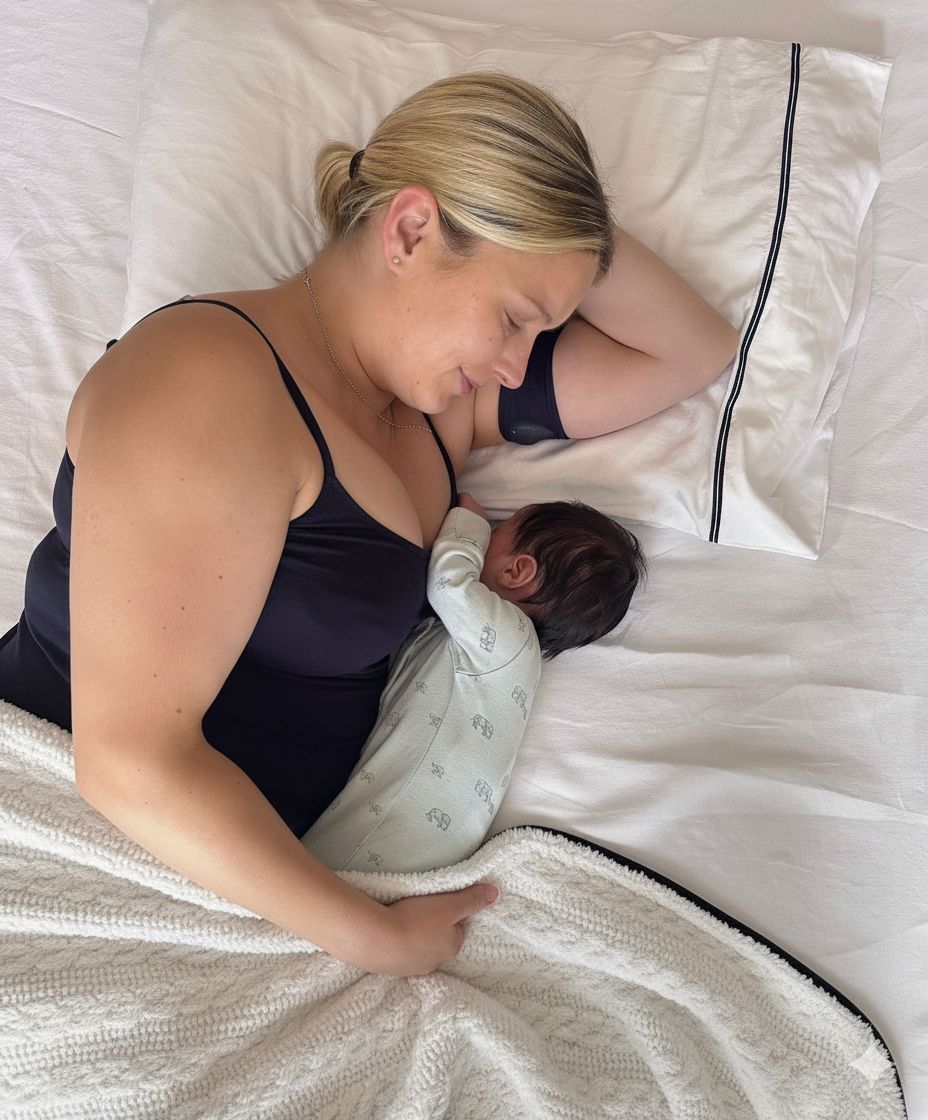
During my postpartum transition, I continued to rely on my Tempdrop. Instead of forcing myself to wake up at a set time every morning, after a night of broken sleep, Tempdrop’s wearable sensor measures resting body temperature continuously throughout the night. Its algorithm filters out sleep disturbances, nighttime wakeups, and variable schedules so I can still get an accurate daily BBT reading.
Whether your cycle is 28 days or 60 days long, the core daily question remains the same: “Am I fertile TODAY?” By tracking real-time biomarkers rather than relying on calendar predictions, you can safely navigate even the most chaotic postpartum cycles.
Spotting Low Progesterone (LPD) on Your Chart Without a Lab Test
Beyond birth control, daily cycle charting acts as a real-time monitor for your hormonal health. One of the clearest insights my postpartum chart provided was identifying Luteal Phase Deficiency (LPD)—or low progesterone—without needing immediate blood work.
What is the Luteal Phase?
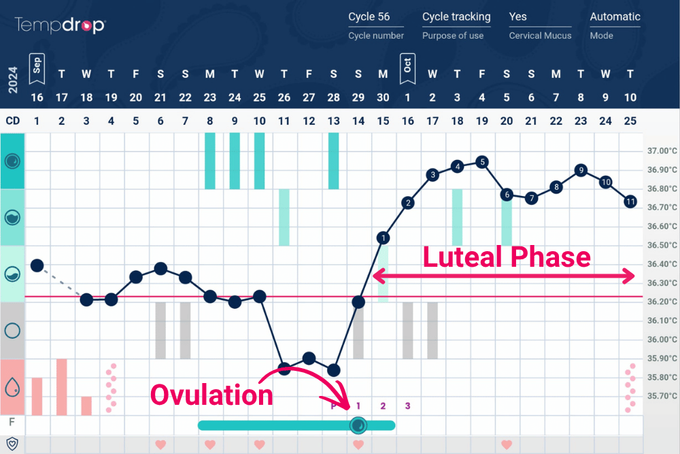
The luteal phase is the second half of your cycle, starting immediately after ovulation and ending the day before your next period. A healthy luteal phase should last between 12 and 16 days, sustained by robust progesterone production.
How to Spot LPD on Your Chart:
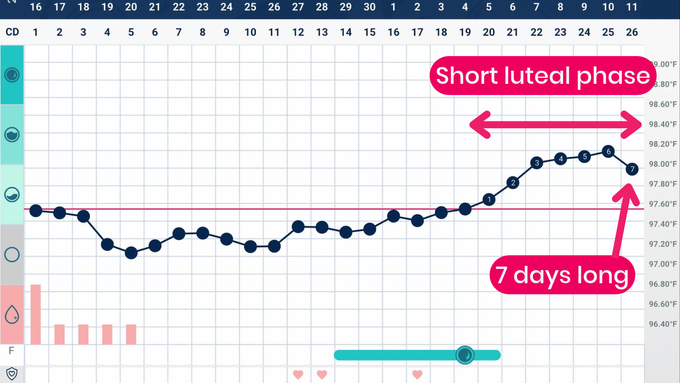
- A Short Luteal Phase: If the time between your confirmed temperature shift and your period is fewer than 10 days, your body isn't producing or sustaining progesterone long enough. Research published in Fertility and Sterility confirms that a shortened luteal phase directly correlates with reduced natural fertility and implantation challenges [Crawford et al., 2017].
- Premenstrual Spotting: Experiencing several days of light brown or pink spotting before your full flow begins is a classic sign of tapering progesterone.
- Slow or Unstable Temperature Rises: Instead of a sharp, sustained step-up in temperature post-ovulation, your BBT chart might show a slow stair-step climb or high fluctuations during the two-week wait.
Spotting LPD early on your chart empowers you to have direct, data-backed conversations with your doctor or practitioner—addressing underlying root causes like stress, nutrient depletion, or thyroid imbalances before trying for your next baby.
Real Talk: Addressing the Common Myths
1. "Does natural birth control severely restrict your sex life?"
Not at all, but it does require communication. In a typical 28-day cycle, users may need to abstain from unprotected intercourse (or use barrier methods) for roughly 10 to 12 days during the fertile window. That leaves roughly 16 to 18 days per cycle where unprotected sex is completely safe. It forces couples to build intimacy beyond just spontaneous intercourse, which often strengthens relationships in the long run.
2. "Can I just use a period tracker app on my phone?"
Absolutely not. Standard period tracking apps rely on algorithm-based calendar estimates that average out past cycles to predict future ovulation. A clinical evaluation published in The Journal of the American Board of Family Medicine reviewed 40 popular fertility apps and found that over 80% failed to meet evidence-based standards precisely because they relied on historical averages rather than real-time biological markers [Duane et al., 2016]. The researchers concluded that for digital tracking to be effective, it must log actual daily physiological signs—such as basal body temperature and cervical fluid—rather than relying on automated predictions.
Your body is not a clock. Factors like illness, stress, travel, or postpartum hormonal shifts can delay ovulation unpredictably. Relying on an app’s prediction algorithm to avoid pregnancy is effectively playing Russian roulette with your fertility—an app should only ever be used as a digital logbook for your actual, physical biomarkers
3. "How long does it take to feel confident with natural birth control?"
If you choose to self-teach through foundational texts (like Taking Charge of Your Fertility), expect a learning curve of roughly 3 to 6 cycles before feeling fully confident in your charting and rule application. If you work directly with a certified Fertility Awareness Educator (FAE), that timeline shrinks dramatically, as an expert will review your charts in real time to verify your fertile and infertile phases.
The Takeaway
Choosing natural birth control isn't about crossing your fingers and hoping for the best. It is grounded in reproductive physiology, biological tracking, and self-knowledge.
It allowed me to avoid pregnancy naturally for years, gave us the exact tools we needed to conceive our son on our first attempt, and provided clarity through irregular postpartum cycles. Once you build body literacy, it becomes second nature—and it is knowledge you can never unlearn.
The Smarter Way To Track
Tempdrop's Conceive with Confidence package combines technology precision with expert-led education and support to help you time your conception perfectly and get pregnant.
References
Frank-Herrmann, P., et al. (2007). The effectiveness of a fertility awareness-based method to avoid pregnancy in relation to a couple's sexual behaviour during the fertile time: a prospective longitudinal study. Human Reproduction, 22(5), 1310–1319. https://doi.org/10.1093/humrep/dem003
Duane, M., et al. (2016). Real-Time Mobile Application Software for Fertility Awareness-Based Methods of Family Planning: Review and Evaluation. The Journal of the American Board of Family Medicine, 29(4), 508–511. https://doi.org/10.3122/jabfm.2016.04.160022
Crawford, N. M., Pritchard, D. A., Herring, A. H., & Steiner, A. Z. (2017). Prospective evaluation of luteal phase length and natural fertility. Fertility and Sterility, 107(3), 749–755.